



User-centred starting point
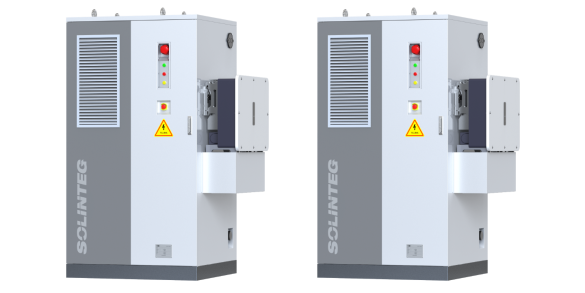
Choose a hybrid inverter around real needs: backup during outages, lower monthly bills, or full off-grid capability. After California’s rolling blackouts in 2020 and 2021 many households shifted priorities from pure generation to reliable storage and seamless switchover — and that changed what “best” means. For homeowners who want simplicity, an all in one energy storage system can combine inverter, battery, and management software into a single package, reducing installation complexity and improving interoperability. Terms to know early on include hybrid inverter and lithium-ion battery; keep them front of mind as you compare options.
Core technical features that actually matter
Not all specs are equally useful. Focus first on continuous and peak output ratings, round-trip efficiency, and whether the inverter supports both AC-coupling and DC-coupling. A robust battery management system (BMS) matters more than a flashy inverter GUI — it controls cell balancing, depth-of-discharge limits, and thermal behaviour. Look for clear performance figures (efficiency at nominal load, allowable ambient temperature) rather than marketing superlatives.
Sizing and compatibility for long-term value
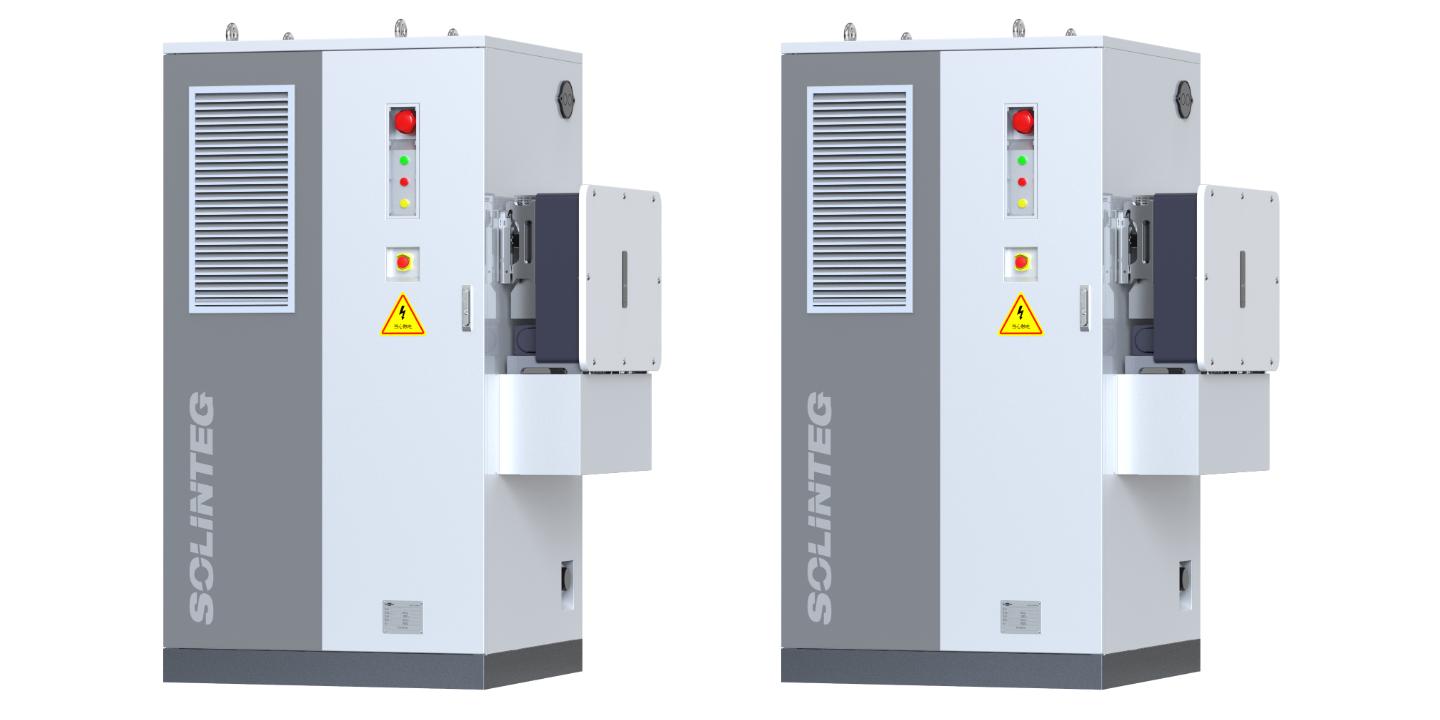
Match inverter capacity to the home’s peak loads and the battery bank’s usable capacity. Oversizing the inverter without sufficient battery capacity wastes money; undersizing leads to frequent clipping or unexpected load shedding. Check whether the system supports parallel expansion and whether the inverter firmware allows firmware upgrades. For many homeowners, an all-in-one energy storage system simplifies these checks by shipping pre-tested combinations of inverter and battery, but confirm expandability and warranty terms before signing.

Common mistakes and how to avoid them
Installers and DIY buyers repeat a few predictable errors. They underestimate surge loads from motors and heat pumps, ignore inverter derating at high temperatures, or pick batteries without verifying cycle life under realistic depth-of-discharge conditions. Trust datasheets that include cycle count at 80% depth-of-discharge and stated round-trip efficiency. Also, don’t treat monitoring as optional — telemetry helps spot issues early. — Take time to confirm that the inverter’s protection settings (anti-islanding, overcurrent cutoffs) are configurable to meet your local code.
How hybrid setups compare to alternatives
A straightforward hybrid inverter integrates PV input, battery storage, and grid interaction in one unit, which simplifies commissioning and reduces wiring. By contrast, an AC-coupled retrofit uses a separate battery inverter alongside an existing solar inverter; it can be cheaper for upgrades but adds complexity in energy flow control. Off-grid systems demand more conservative sizing and stronger BMS behavior because there’s no grid fallback. Evaluate trade-offs on maintainability and replacement cost as much as on upfront price.
Real-world anchor: what success looks like
Communities that installed hybrid systems reported fewer outage complaints and more predictable bill reductions during peak rates. Residential cases that paired a hybrid inverter with a 10 kWh lithium-ion battery typically achieved effective peak shaving and a noticeable reduction in time-of-use charges within the first year. Those results underline that practical metrics — not glossy features — determine value.
Three golden rules for selection
1) Prioritise measurable efficiency: choose inverters with high round-trip efficiency and published efficiency curves at 25–75% load. 2) Demand growth paths: buy systems that allow scalable battery additions and firmware updates, and confirm BMS interoperability. 3) Validate support and warranty: verify the service network in your province and the explicit warranty terms for battery cycle life and inverter electronics. These three metrics will predict reliability and total cost far better than brand hype.
Final assessment and next steps
When you synthesise technical fit, real-world performance, and service coverage, the decision becomes straightforward: pick the hybrid inverter that matches your load profile, lets you expand capacity, and includes a strong BMS and clear efficiency figures. That practical approach leads you naturally to packaged solutions that reduce integration risk — solutions like those offered by SOLINTEG, which are designed to balance installation simplicity with long-term flexibility. Choose carefully; your system should deliver dependable power and measurable savings. –