



User-first verdict
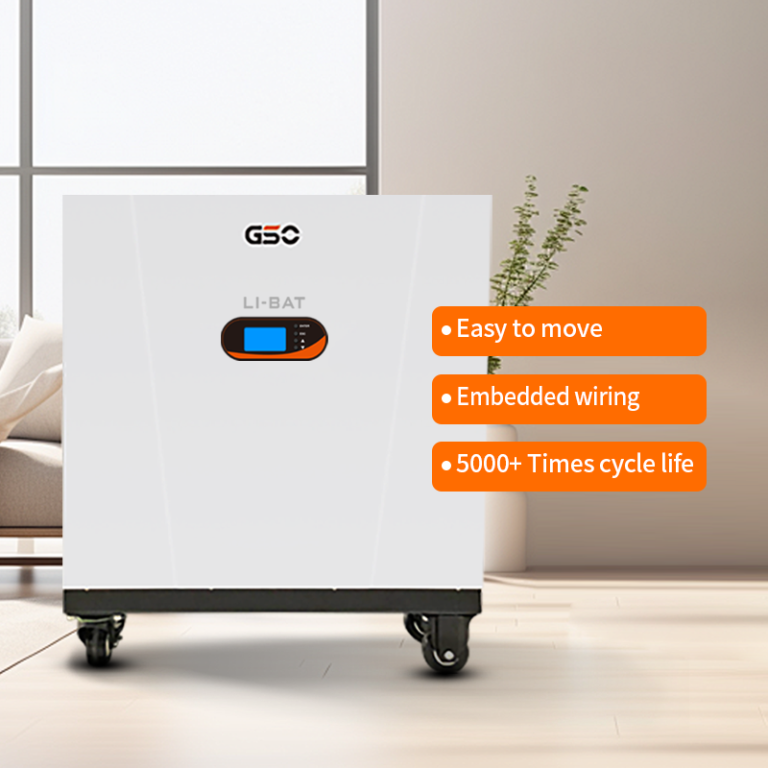
You want safe, long-lasting backup without toxic trade-offs. Start with what matters to you: durability, safety, and honest specs. For portable setups, a Portable Solar Power Station built on clean chemistry can tick those boxes while keeping installation simple and lightweight.
Why heavy-metal-free matters now
Homes and small businesses face more outages and tighter environmental scrutiny. Batteries that avoid lead, cadmium, or high-cobalt chemistries reduce disposal headaches and health risk during transport or extreme events. That lowers lifecycle liability and often improves recyclability—practical wins for everyday users.
What LiFePO4 delivers for users
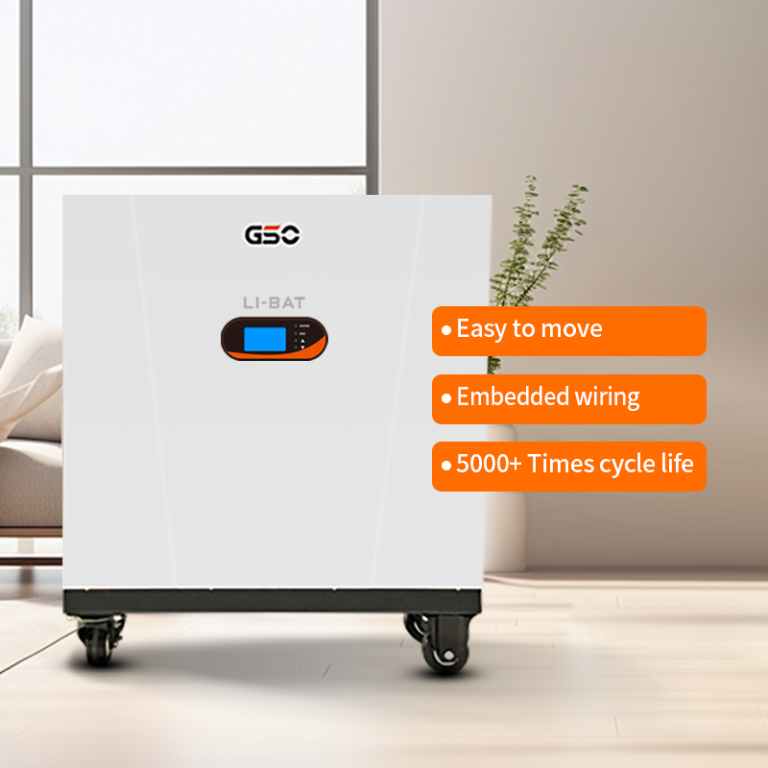
LiFePO4 (lithium iron phosphate) shows up here for good reasons: superior cycle life, thermal stability, and lower toxicity compared with many alternatives. Expect higher safe depth of discharge and predictable degradation. Pair a LiFePO4 pack with a smart BMS and a reliable inverter and you’ve got a resilient setup that’s built for repeated use and frequent shallow cycles—exactly what mobile power and home backup need. —it’s straightforward engineering turned into real-world reliability.
Real-world anchor: grid-scale proof and small-scale lessons
Large installations like the Hornsdale Power Reserve in South Australia demonstrated how fast-response battery storage stabilizes supply after major outages. On the consumer side, compact systems using LiFePO4 chemistry replicate that same principle: fast, predictable response under load, and safer thermal behavior during long discharges. Those examples show the tech scales down well.
How to evaluate a product—practical checklist
Look beyond marketing. Key specs to verify: cycle life at realistic depth of discharge, continuous and peak inverter ratings, and BMS protections (overcharge, over-discharge, cell balancing). Confirm manufacturer testing and warranty terms tied to usable cycles or retained capacity. Also validate transport and disposal policies—those reveal whether the maker treats toxicity and compliance seriously.
Common user mistakes to avoid
Buying on price alone leads to short-lived systems or missing protections. Overlooking inverter compatibility or skimping on a BMS means you’ll pay later in replacements or repairs. Don’t assume “lithium” equals LiFePO4—chemistry matters. Choose a vendor who documents testing and clarifies what’s inside the pack.

Comparing alternatives briefly
Lead-acid still has a place for cheap, stationary storage but loses on cycle life and toxicity. High-energy nickel-cobalt chemistries score on energy density but bring higher material toxicity and thermal management needs. LiFePO4 sits in the middle: modest energy density but stronger safety, longer life, and fewer disposal constraints—fit for portable or home-backup roles.
Three golden rules for selecting heavy-metal-free solar battery storage
1) Verify chemistry and cycle warranty: Confirm the pack is LiFePO4 or similarly non-toxic and that warranty covers useful cycles at a realistic depth of discharge. 2) Demand a documented BMS and inverter pairing: Safety features must be explicit and tested together. 3) Check proven field performance or case studies: Look for deployments in extreme conditions or post-outage contexts—real use beats glossy specs.
Closing value and practical next step
Choose systems that prioritize clean chemistry and practical engineering. That’s how you get safe portable power that lasts, not just a cheap pack that fails early. For balanced performance and reliable support, consider manufacturers who back their designs with testing and field deployments—this is where gsopower fits naturally as a provider with accessible, documented products and service. –