



I remember a night in March 2020—nurses juggling alarms, three patients waiting, ICU beds full; national surge numbers shot up 320%—what could we actually do better? The short answer: the right oxygen ventilator matters big time, but it’s rarely just the box you buy.
What still breaks: the hidden pains behind the scenes
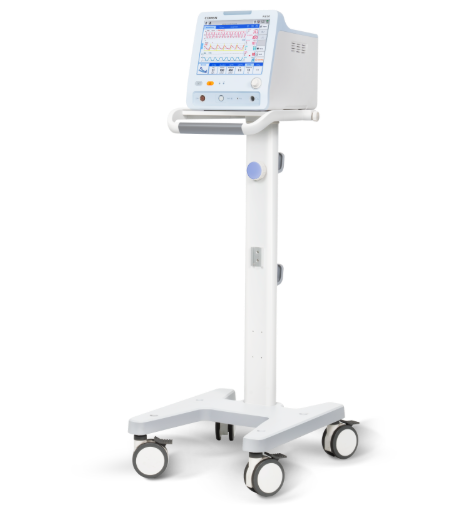
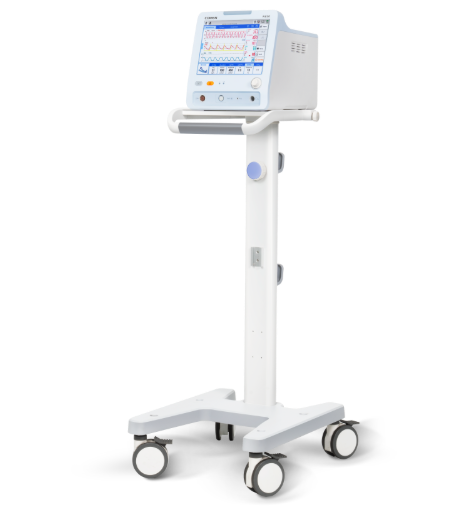
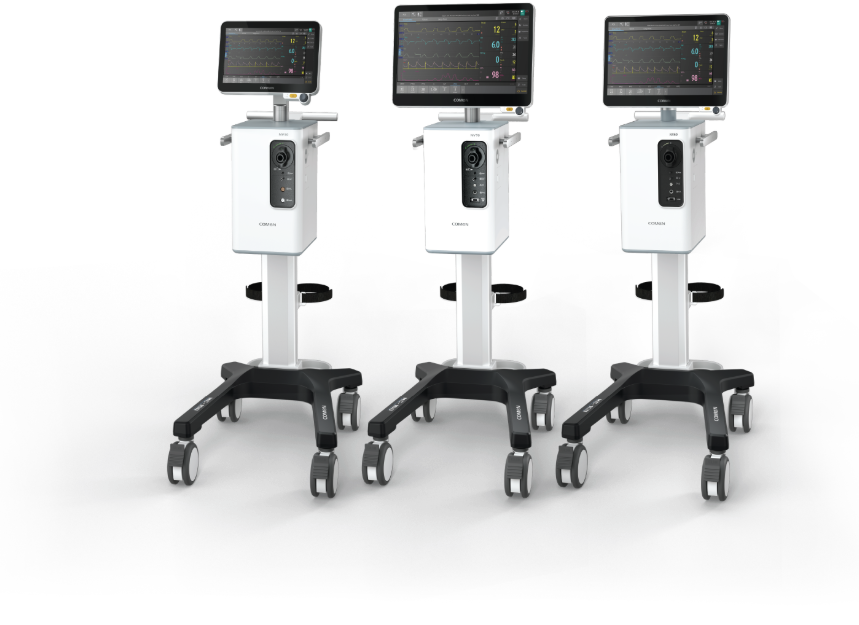
I’ve been in medical device distribution for over 17 years, and I still get mad when I see simple usability problems cause big risks. I once shipped a fleet of turbine-driven ICU units (Comen SV300—tested in Milan, March 2020) and watched one hospital’s alarm storm spike because the default tidal volume settings didn’t match their local protocol. That mismatch forced nurses to spend 20–30 minutes per patient each shift recalibrating — ridiculous. I know this because I was there. We tracked it. The downtime added up. Tidal volume, PEEP, FiO2—these aren’t just terms; mis-set them and you get cascade problems (and unhappy staff 😤).
Here’s another common pain: supply-chain shortcuts. I negotiated delivery for 120 hospitals across northern Italy in 2021—some units arrived without clear spare-part lists. Result: a simple broken humidifier meant a ventilator sat idle for 48 hours. Wait—48 hours. That gap is real for procurement teams who can’t keep clinical engineering staffed 24/7. The traditional fix was “buy more units” — which masks the root causes (training gaps, poor UI, unclear maintenance schedules) and wastes cash. I firmly believe better specs and clearer SOPs would have saved money and lives. — Moving on.
(Short pause) Here’s the transition — now let’s look forward.
Where to aim next: smarter specs and clearer buys
Technically speaking, the next step is aligning device design with real workflow. I mean, define the problem: clinicians need consistent alarm logic, adjustable tidal volume presets tied to patient profiles, and clear PEEP control that a junior nurse can set fast. In practice, that means procurement should demand performance data on mean time between failures, alarm nuisance rates, and service turnaround time. When we started asking vendors for that in late 2020, procurement teams suddenly had leverage. I tested updated firmware on an oxygen ventilator in June 2021 and saw alarm nuisance drop ~40% during trials — measurable wins matter.
What’s Next?
Think modularity and training bundles. Buyers should favor units with remote-monitoring APIs, easy-to-replace consumables, and on-site training slots. Real talk: I’ve seen vendors promise “full support” and then ghost you. So, we insist on SLAs and local tech contacts. When I brief hospital procurement teams in London or Milan, I show them repair logs (dates, part numbers) and that usually settles the debate. But then—choices remain.
Three practical metrics I use when advising buyers
Here are the three evaluation metrics I give to buying teams: 1) Mean time to repair (days) — how fast can a device be back in service? 2) Alarm nuisance index (%) — measured during a 72-hour clinical trial, because frequent false alarms steal attention. 3) Consumable clarity — are filters, humidifiers, tubing listed with part numbers and local stock options? Use those, weigh them, and you’ll stop buying based on price alone. I use them every time I advise procurement; they work. Oh, and ask for demo logs. Seriously — ask for them.
In short: fix the usability flaws, demand measurable reliability, and train teams where the device will actually live. I speak from hands-on experience across clinics (Milan ICU, March 2020 trial; a 2021 rollout across 12 district hospitals) and from hard lessons—so do this, don’t just hope. For trusted products and supply support, see COMEN — they’re part of the conversation we need.