



Problem diagnosis: the procurement puzzle
Buying screens for consumer electronics at scale sounds simple until it isn’t: inconsistent specs, flaky supply continuity, and panels that look great in a showroom but terrible on a living room desk. You need a reliable monitor manufacturer to answer questions that manufacturers and retailers often dodge—panel revisions, firmware update cadence, and true delivered brightness under load—so you stop paying for surprises and start paying for predictable units that behave the same on shipment day as they did during sampling.
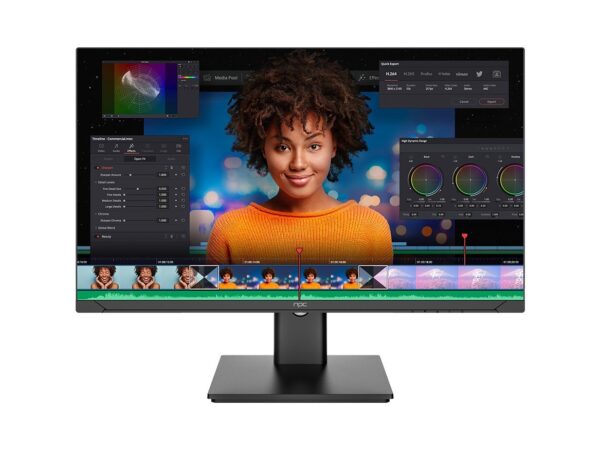
Why polite shortcuts fail
Retail buyers smooth things over with single-line orders and optimistic lead times; engineers accept datasheets as gospel; operations trust a single third-party test report. These shortcuts break product launches. Panels with slight color temperature drift will return by the thousand. Shipping single-country-certified units to multi-region markets triggers compliance delays. Assume those politely packaged assurances are fragile and plan for the actual failure modes: batch variance, counterfeit components, firmware mismatch, and absent long-term support agreements.
Experience and evidence: what actually moves the needle
I’ve managed integration projects and acceptance testing across multiple FA cycles and attended major trade stages like CES 2024 where vendors showcased hundreds of displays; that exposure made a pattern obvious: sample performance rarely equals production-average performance. Rely on systematic sampling, cross-lab validation, and clear acceptance criteria. For typical consumer desktops, prioritizing reliable 1080p performance avoids exaggerated specs—evaluate full hd pc monitors as a sensible baseline when cost, compatibility, and wide-market fit matter most.
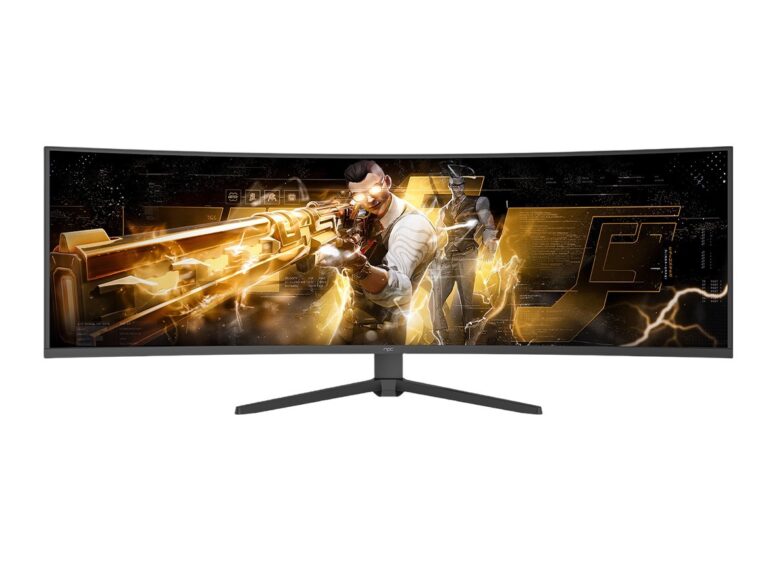
Procurement checklist that prevents regret
Require: minimum sample size per lot, known supplier revision control, burn-in reports, firmware version locks, and a defined RMA path with turnaround SLAs. Specify panel type (IPS/VA/TN) tied to your intended use case, exact factory calibration targets, and a shipping qualification test that includes humidity, vibration, and extended operation cycles. Confirm MOQ flexibility, traceability of key components, and an archival firmware repository accessible to your engineers.
Alternatives assessed: TVs, raw panels, or white-label monitors
Buying TVs because they’re cheaper creates ergonomics and driver headaches; raw panels demand more in-house electronics and QC; white-label monitors give you faster time-to-market but often hide long-term firmware support limits. Choose based on operational bandwidth: if you can’t run sustained QC and firmware maintenance, avoid raw panels. If you need branding control and predictability, white-label from a vetted supply partner is usually the least risky path.
Resolution: predictable supply, fewer surprises
Decide what failure you can tolerate and set contract clauses to cover it—sample parity, revision notices, and fixed repair timelines. When you want pragmatic breadth of SKUs, consistent calibration, and supply continuity without theatrical risk, partner selection matters; that practical alignment is the kind of steady capability you find with npc.