



Problem statement — what leaders face today
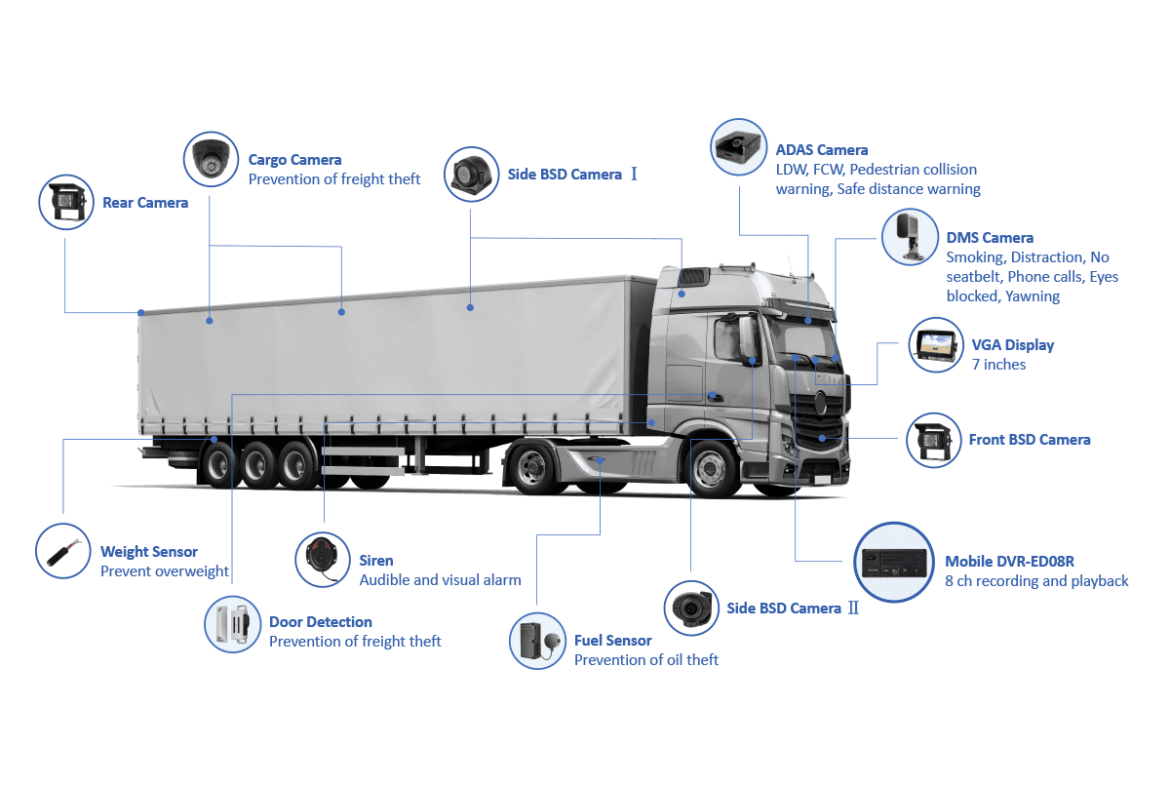
Fleet managers in oil and gas must resolve specific, measurable problems: unexplained fuel variance, vehicle misuse, and gaps between operational logs and billing. A focused example helps: during a controlled fleet pilot in Abu Dhabi, engineers fitted trucks with an AI dashcam alongside fuel sensors and saw immediate clarity on driver behavior and refueling anomalies. This problem-driven note frames the rest of the guide: name the terms, link them to concrete failures, and then map how monitoring systems solve those failures.
Key terminology clarified
Clear terms reduce error when teams buy or integrate systems. Definitions here are short and actionable:- Telematics: vehicle location, speed, and CAN-bus data streamed for analysis.- Flow meter: inline sensor that measures fuel dispensed to or from a tank.- Ultrasonic/RFID tank sensor: measures level or identity at refueling points.- CAN-bus feed: direct vehicle data channel (engine hours, RPM, fuel rate).- Fuel reconciliation: matching recorded fuel usage to expected consumption.- Geo-fencing: virtual perimeter that triggers alerts when entered or exited.- Driver scorecard: aggregated safety and behavior metrics tied to individuals.- Edge AI: local processing that reduces data latency and filters events before cloud upload.
How these terms map to oil and gas fleet problems
Match each term to a common failure and the corrective action:- Unexplained fuel loss → flow meter + tank sensor + periodic reconciliation.- Unauthorized refueling or transfer → RFID at pumps + geo-fencing + audit logs.- Discrepancies between reported and actual routes → telematics + CAN-bus cross-check.- Unsafe driving near sensitive sites → driver scorecards + event capture (video).- Slow incident response → edge AI for on-device event detection and immediate alerts.
Technical components and their interplay
Integration matters more than individual features. Typical stack:- Sensors and meters at the fueling point feed raw measurements.- Telematics unit aggregates GPS and CAN-bus signals.- An on-vehicle unit (often with camera) performs edge processing to tag incidents.- Cloud analytics reconciles sensor streams and generates reports for audit and billing.When selecting hardware, consider systems that combine visual context with sensor data; an AI powered dashcam that time-syncs video with fuel events simplifies investigations and reduces false positives.
Common pitfalls and mistakes
Avoid these recurring errors:- Buying sensors without a data schema: ensure timestamps and IDs match across devices.- Treating video as optional: without synchronized video, investigations often stall.- Ignoring edge processing: sending all raw feeds to cloud increases cost and latency.- Overlooking human workflows: alerts must map to clear actions and owners.- Skipping pilot validation: small trials reveal installation and calibration issues early.
Evaluation checklist for procurement
Use this checklist when vetting vendors:- Does the solution timestamp and tie video to sensor events?- Can the telematics unit read CAN-bus and integrate fuel-flow inputs?- Is edge AI configurable to reduce false alerts?- Are exportable audit logs available for regulatory and tax reconciliation?- Can the vendor support a 30–90 day pilot with defined success metrics?
Conclusion — practical synthesis
Start from the problem: define the loss or risk you must eliminate, then map the terminology above to required features and pilot tests. That approach keeps decisions technical, measurable, and accountable. Long-term value comes when video, sensors, and telematics speak the same language and feed a single reconciliation process — the solution BSJ complements by aligning device telemetry and incident context into usable, auditable records through integrated hardware and analytics, helping operators turn identified problems into verifiable outcomes.