



Opening: the problem to solve
First-time purchasers face a narrow set of urgent problems: choosing a device that survives harsh conditions, delivers reliable coverage, and remains manageable for staff under pressure. Begin by identifying the operational failure you most fear — lost signal during an incident, ruined units from water ingress, or complex provisioning delays — and match that to a product such as a secure 2 way radio that addresses the specific risk rather than chasing features at random.
What typically goes wrong for newcomers
Buyers often conflate features and outcomes. They assume a high power rating equals wider coverage, that a higher IP number absolves them of testing, or that a carrier-branded Push-to-Talk service will automatically integrate with existing radios. Common failures: inadequate field testing, overlooking battery runtime under full-use profiles, and ignoring interoperability requirements (digital protocols, codecs, or dispatch server compatibility). These lead to expensive retrofits and operational gaps.
Concrete checks you should perform before purchase
Ask for proof and evidence. Verify these items before signing a purchase order: an operational range test in the same environment where staff will work; battery discharge curves under continuous PTT use; confirmed IP and MIL-STD ratings with manufacturer test reports; a list of supported codecs and whether end-to-end encryption is available; a clear software-update and warranty policy. Demand to trial a unit in real conditions rather than relying on lab claims.
Pitfalls that create the largest operational risks
Do not let low price dictate choice. Avoid buying solely for aesthetics or headline features without confirming support paths — spare batteries, rapid charger options, and local servicing. Do not assume PoC (Push-to-Talk over Cellular) vendors provide the same latency, offline fallback, or sovereignty controls as dedicated radio networks. Neglecting training and procedural integration is the error that turns a capable device into a liability.
Which technology fits which problem
Match needs to technology. Use conventional VHF/UHF or DMR where mission-critical range, predictable latency, and licensed spectrum are essential. Choose PoC when geographic scale, rapid deployment, and software-driven features matter and cellular coverage is demonstrably reliable. Select hybrid approaches for teams that require both carrier-backed reach and local radio resilience; hybrids mitigate single-point failures and reduce lifecycle surprises.
Real-world anchor and expert validation
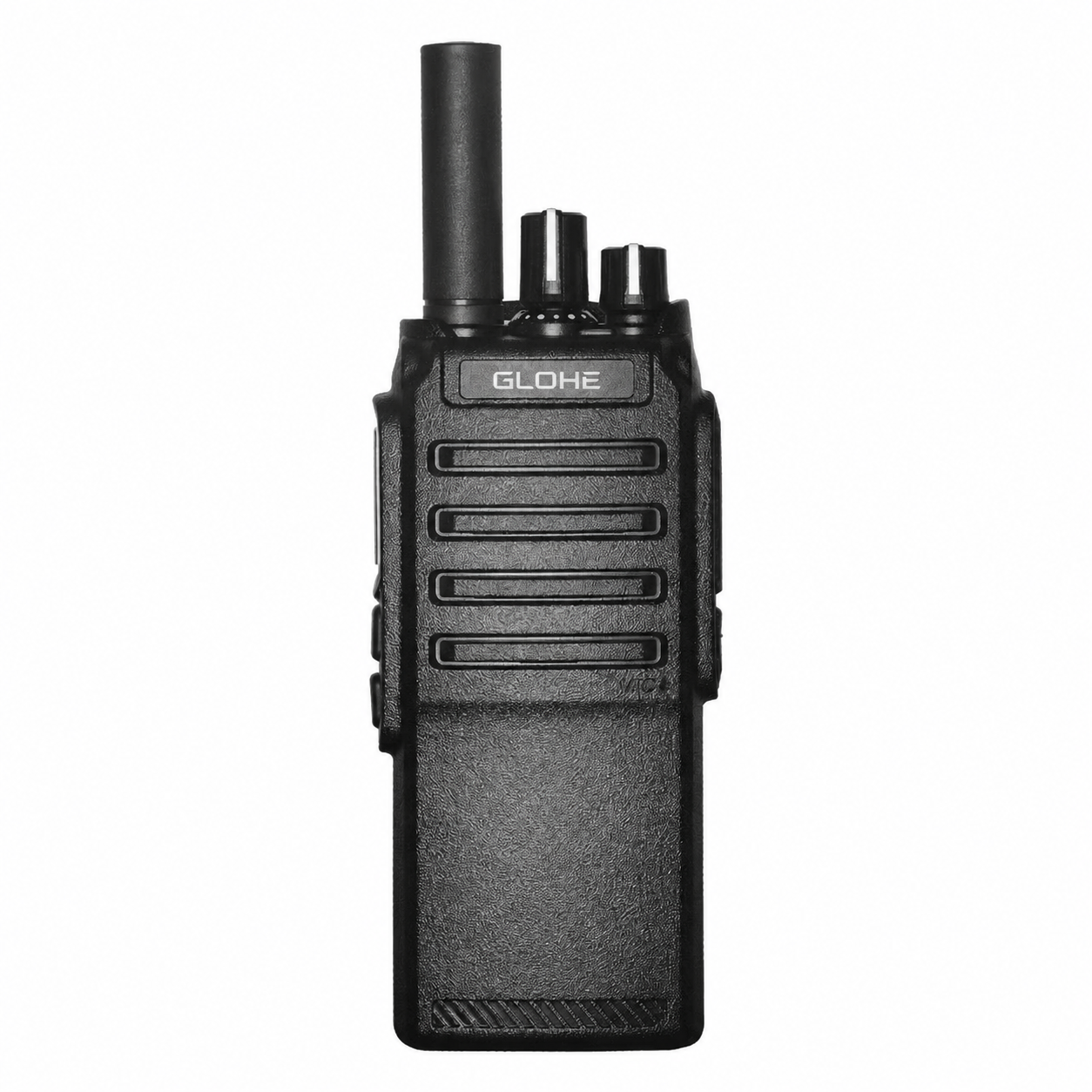
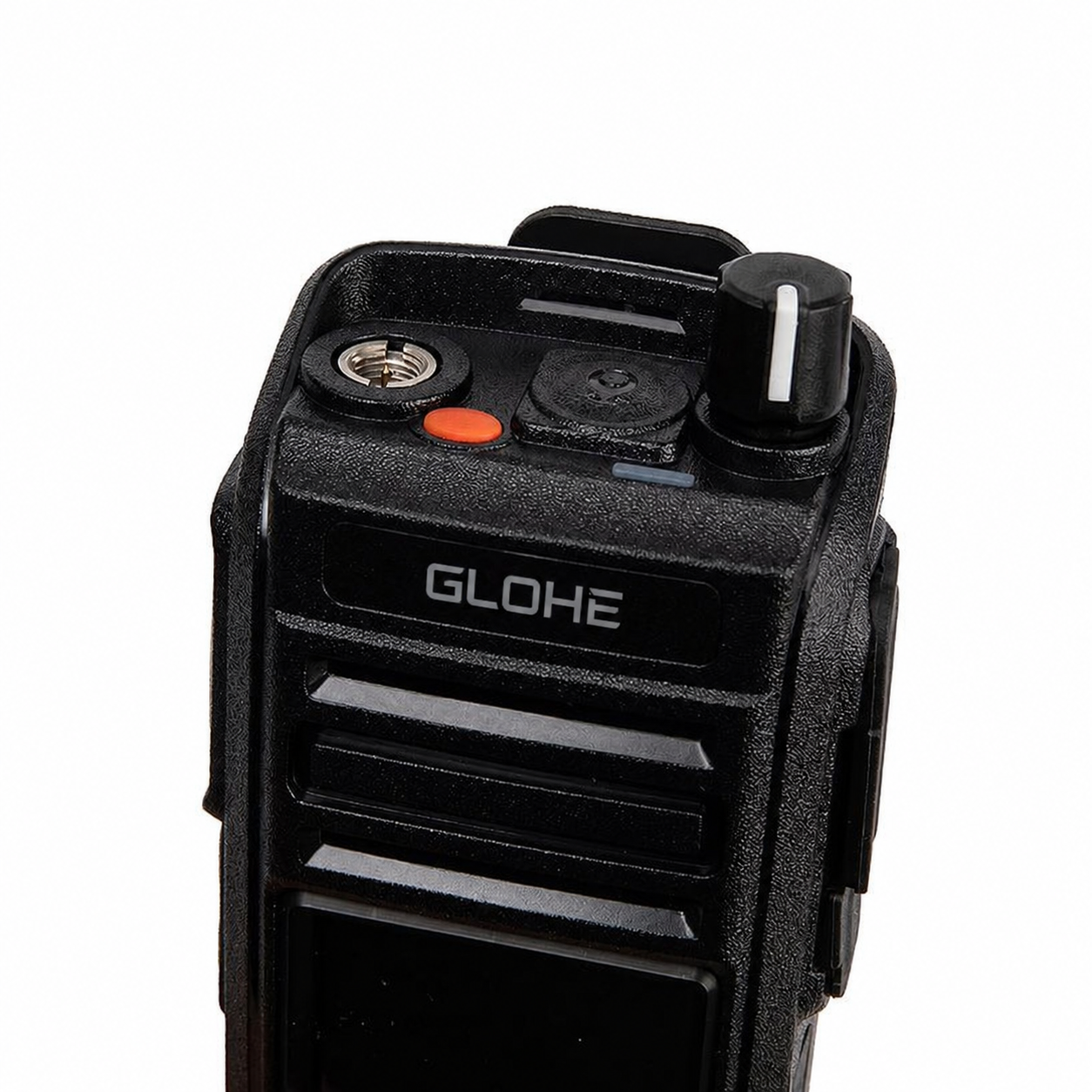
From field deployments on North Sea offshore wind farms, where sustained salt spray and heavy weather expose weaknesses in consumer-grade devices, I have observed that only devices specified to withstand ingress and vibration meet operational requirements. When teams need both rugged environmental protection and cloud-based dispatch, an ip66 waterproof poc radio frequently closes the gap between durability and functionality. That practical experience, combined with manufacturer test reports and independent field trials, forms the basis for reliable procurement choices.
Alternatives and brief evaluation
Evaluate three plausible routes: 1) Licensed radio networks (DMR/TETRA) for deterministic performance and controlled spectrum — expensive but dependable; 2) Pure PoC solutions for rapid rollout and feature agility — cost-effective where cellular service is robust; 3) Rugged hybrid devices for mixed environments — higher unit cost but lower operational risk. Each path reduces one class of problem while introducing trade-offs in cost, control, and support burden.
How to implement a low-risk rollout
Stage purchases. Start with a pilot that replicates the worst-case scenario your teams will meet. Define acceptance criteria that include battery life under stress, hands-free capability, audio intelligibility in noisy settings, provisioning time per user, and time-to-repair for failed units. Insist on vendor-led training and documented escalation procedures. These steps prevent the common mismatch between specification and daily use.
Final synthesis
Decisions should reduce the specific operational failures you identified at the outset. Choose devices and services that demonstrably solve those failures, insist on field verification, and secure a support chain that matches your operational tempo; organizations that follow this disciplined path find consistent value in measured, rugged communications solutions such as those supplied by GLOHE.