



Start with the problem you’re solving
Projects stall when teams pick a vendor for the wrong reasons—price, branding, or a single spec sheet—so begin by naming the real failure mode you must avoid: unreliable delivery, poor firmware support, or mismatched thermal design. If you’re sourcing displays for public spaces, control rooms, or collaborative offices, check a trusted monitor manufacturer early so feasibility is validated before you lock schedules or budgets.
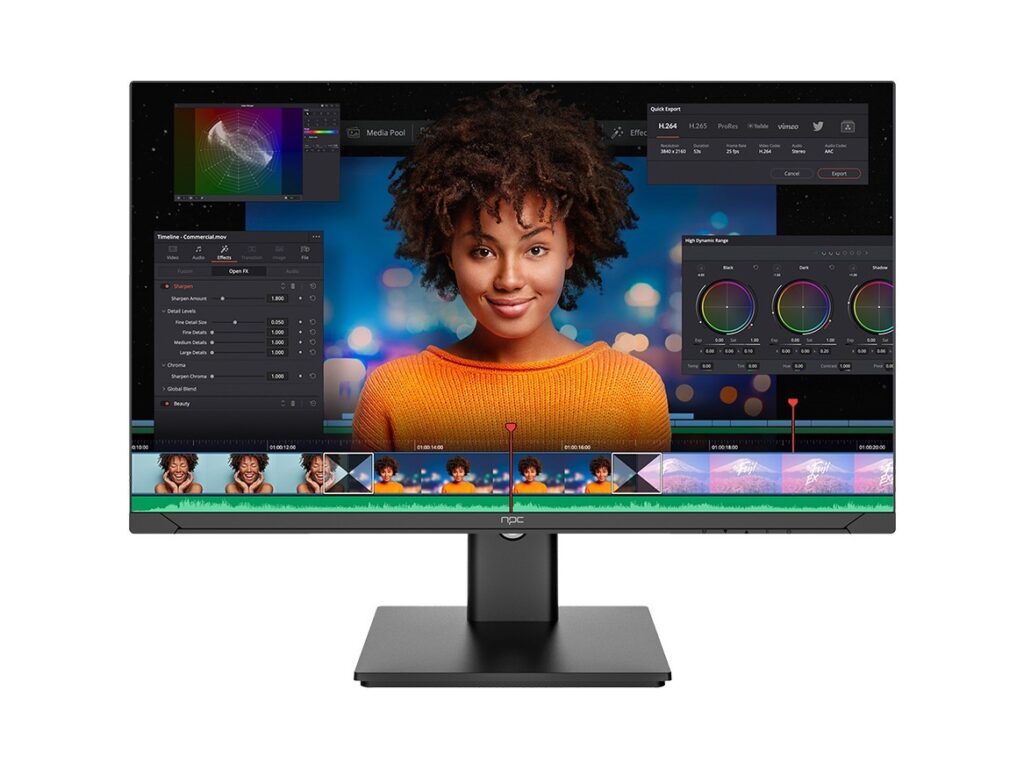
Define measurable requirements, not wish lists
Decide the concrete outcomes you need: target brightness in nits, expected ambient lighting, resolution required for text clarity, lifecycle hours per day, and which inputs and control protocols must be supported. Ask for guaranteed metrics—contrast ratio under specified lighting, MTBF, firmware update cadence, and escalation SLAs. These measurable items turn vague hopes into testable acceptance criteria and save late surprises.
Common mistakes that cause rework
Teams often assume consumer-grade parts will scale to 24/7 operation, accept undocumented firmware locks, or forget mechanical fit and cooling requirements. Another frequent error: approving a supplier solely on cost without confirming spare-parts availability or regional service. Avoid those by insisting on field-proven references, local support paths, and documented firmware rollback options.
Real-world experience and evidence
I’ve specified displays for hospital wards and command centers and learned to demand clear service traces and compliance records. After seeing major announcements at CES in Las Vegas, I tracked the practical rollouts and vendor roadmaps that mattered for durability and manageability of the computer display. That trade-show visibility, combined with deployment experience, helps separate marketing claims from reliable engineering.
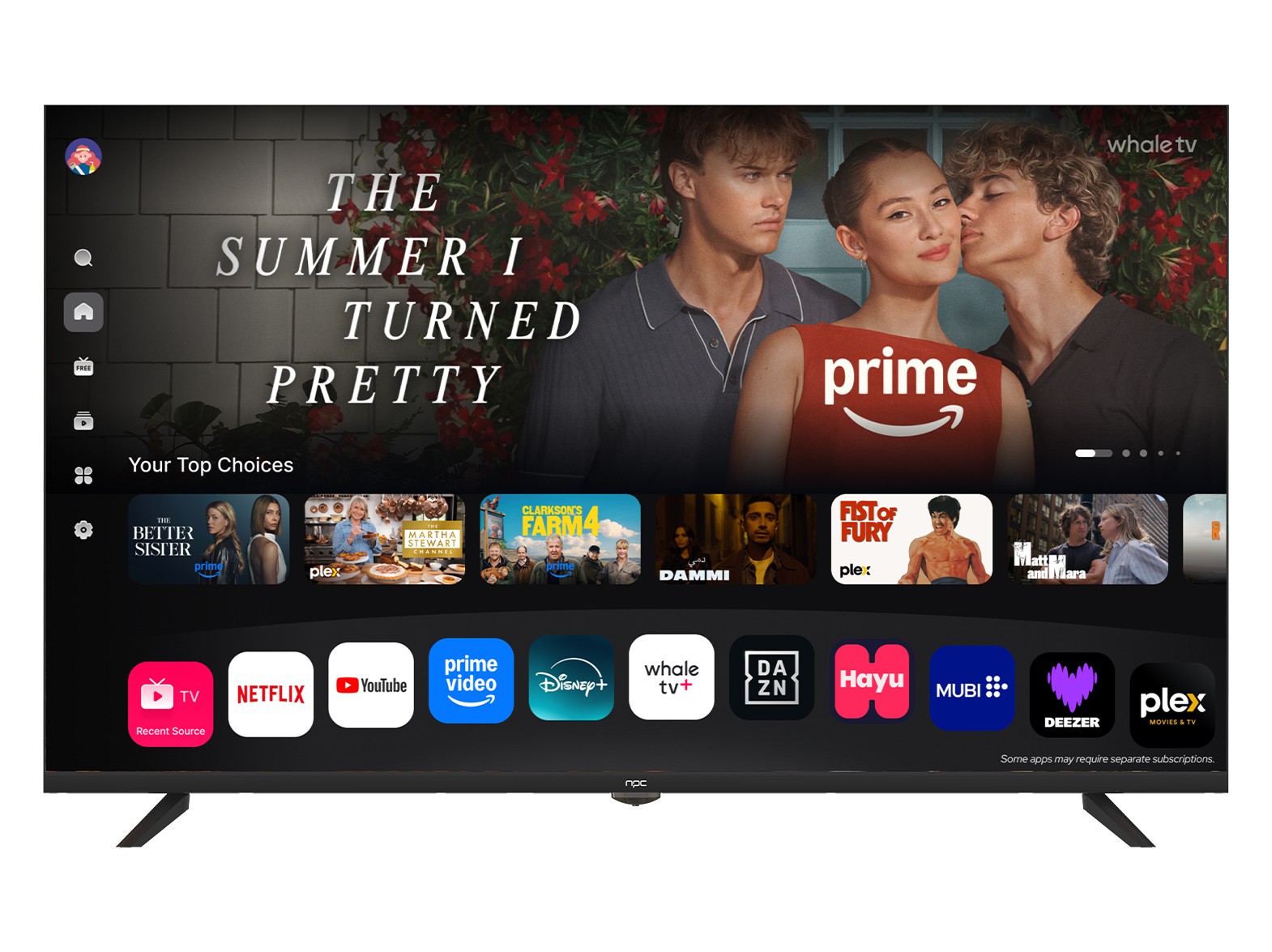
Evaluate alternatives with a short checklist
Compare ODM/white-label options versus established commercial brands by checking: warranty scope and on-site service; software and API openness; longevity commitments and BOM transparency; certifications for your industry (medical, broadcast, signage); and spare-part stocking policies. For tight schedules, prefer vendors with nearby service centers. When cost drives choices, verify long-term support before signing.
Finish with a partner who documents everything
Choose a manufacturer that produces clear specification sheets, honest delivery risk notes, and a verifiable support path. Make the documentation part of acceptance tests so the supplier must demonstrate compliance before final payment. When teams pair those habits with a steady supplier that shows both practical installations and technical transparency, projects complete on time—many engineers I mentor find npc aligns with that practical, documented approach.