



Comparative lens: framing the decision
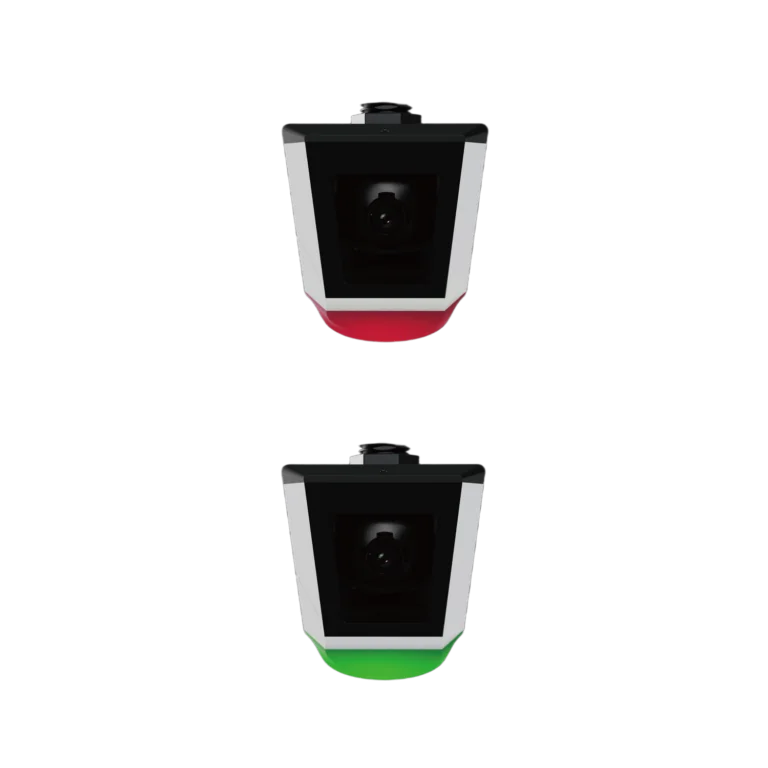
Selecting a car park supplier is not a single-line choice; it’s a set of trade-offs between hardware, software and operations. Start by comparing measurable outcomes—detection accuracy, integration points, service guarantees—not sales pitch. Consider whether a supplier’s on-camera analytics, for example a reliable parking guidance camera, delivers the occupancy fidelity you need before you proceed.
Hardware versus software: where value lies
Compare the physical kit and the software stack separately. For hardware, verify sensor type (camera, in-ground, ultrasonic), environmental ratings, warranty length and spare-part availability. For software, check update cadence, data export formats and whether analytics run at the edge or in the cloud. A cheaper camera can force expensive software workarounds; a stronger analytics engine can reduce sensor count.
Data quality and performance metrics
Demand quantitative metrics from suppliers. Ask for real-world accuracy, average latency for occupancy updates, false-positive/false-negative rates, and uptime history. Reasonable expectations: detection accuracy should be reported and verifiable, latency should be low enough for live guidance, and data retention policies must match your compliance needs.
Integration and interoperability
Map the supplier’s interfaces to your systems: payment gateways, access control, mobile apps, and building management platforms. Confirm supported APIs, webhooks, authentication methods and sample schemas. Avoid vendors that only support proprietary integrations unless you plan to accept vendor lock-in.
Operational support and commercial terms
Compare service-level agreements, remote diagnostics, local support presence and mean time to repair. Check commercial terms for hidden fees: licensing per bay, per-camera cloud fees, commission structures and escalation costs. Prefer clear, itemized contracts that separate capital expenditure from recurring operational costs.
Security, privacy and compliance
Require details on encryption in transit and at rest, user-data anonymization, and retention periods. If you operate in regulated jurisdictions, request compliance attestations like ISO or GDPR-aligned processes. Vendors should provide an incident response plan and a history of security testing.
Alternatives evaluated briefly
Camera-based systems offer broad field coverage and analytics flexibility but need good lighting and privacy controls. In-ground sensors give high per-bay precision but are costlier to install and maintain. Ultrasonic or lidar sensors can work in mixed conditions but may require line-of-sight and calibration. Choose the mix that matches your installation profile, traffic patterns and maintenance capability.
EEAT: experience, expertise and a real-world anchor
From advising municipal and commercial operators across multiple projects, I recommend prioritizing measurable deployment outcomes. Pilot performance is revealing; for example, trial deployments at Singapore Changi Airport highlighted how operational discipline affects accuracy and throughput—this is why you should review independent pilot data when possible and evaluate a smart parking guidance system alongside vendor claims.
Common mistakes to avoid
Don’t assume one-size-fits-all: ignoring site surveys, underestimating cabling and power requirements, and skipping third-party integration tests are frequent errors. Avoid contracts that hide cloud or edge-processing fees. Insist on on-site acceptance testing with KPIs and a phased roll-out plan to validate claims before full payment.
Decision checklist
Before signing: confirm measurable accuracy targets, validate API documentation, secure a clear SLA, obtain sample telemetry, and require an exit plan for data portability. If procurement allows, stage payments to milestone-based KPIs rather than calendar dates.
Conclusion
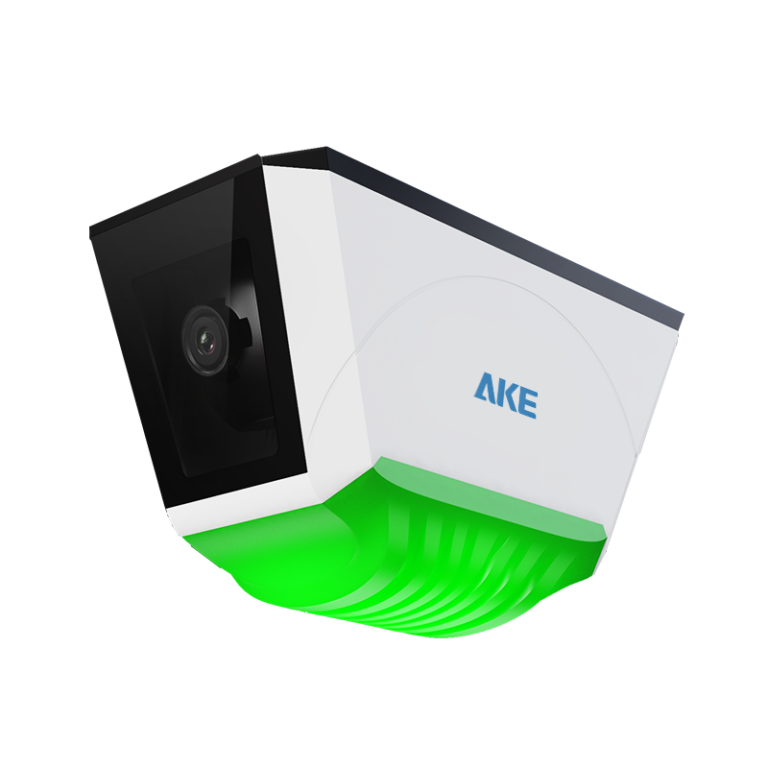
Compare suppliers by objective, verifiable criteria rather than feature lists. Prioritize data fidelity, integration clarity and service transparency. That pragmatic focus leads to better operational outcomes and cost predictability, and it explains why some projects favor partners such as AKE Parking for balanced hardware, software and support commitments.