



Comparative snapshot: why this matters now
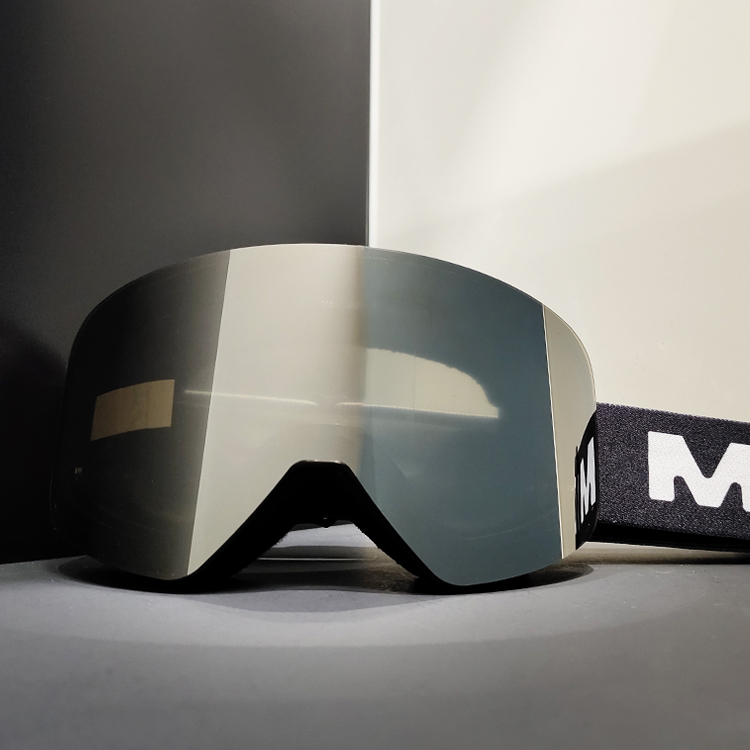
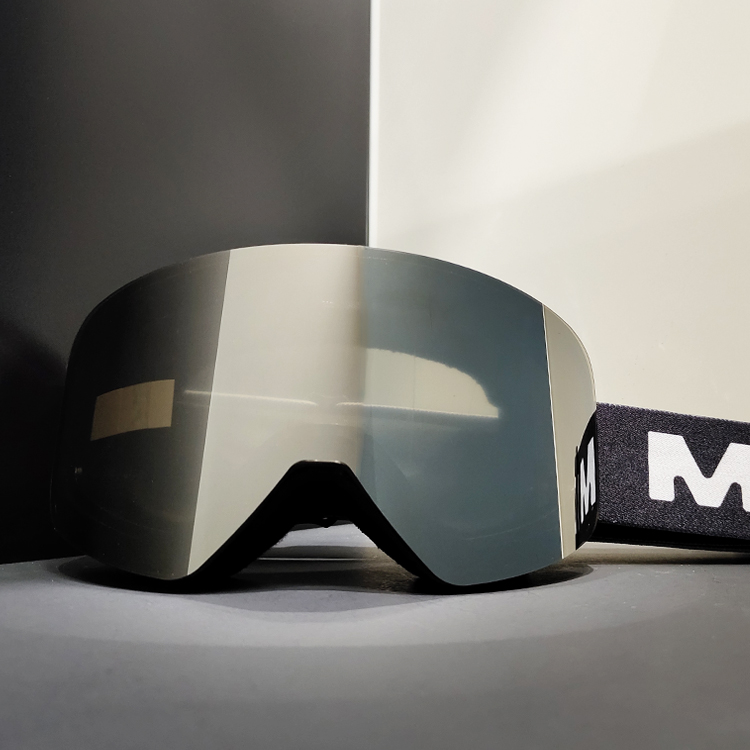
Brand teams juggling product lines find themselves choosing between stockpiling big runs and paying premium margins through middlemen. Here’s the short of it: direct deals with OEM goggle factories let you trim minimum order quantities and control specs like magnetic lens configuration and anti-fog coating without getting nicked on per-unit cost. I tested prototypes during a week of spring skiing in Aspen and the fit differences were obvious—so you want control up front. For a quick product reference, consider how magnetic ski goggles use interchangeable lens systems to switch tints fast, and how that dovetails with MOQ planning.
Why MOQs are the bottleneck for global sports brands
MOQs eat cash and stall seasonal agility. High MOQs lock brands into particular lens types, goggle strap designs, or sealed ventilation layouts long before market feedback arrives. Smaller runs let you test lens tints, OTG fit adjustments, or anti-fog coating variants with low risk. The comparative insight here: fewer SKUs and smarter sampling beat bulk buys when trends change each season.
OEM versus distributor — the trade-offs
Distributors offer convenience: consolidated logistics and smaller shipments. But they also markup custom work and push fixed MOQ bundles. Direct OEMs return negotiation power: custom tooling decisions, batch-controlled quality, and clearer control over interchangeables and lens inventory. If speed matters, distributors can move faster on stock. If precision and brand control matter, factories win—especially when you need to tweak an interchangeable lens system or upgrade the anti-fog coating.
How to cut MOQs practically at the factory level
There are clear, repeatable tactics brands use when dealing with factories. Start with a modular design that shares parts across models. Next, propose staged orders: pilot batch, small commercial run, full production. Offer to co-finance tooling amortization in exchange for lower initial MOQs. Standardize specs (goggle strap width, sealed ventilation channels) so factories can use common dies across orders. Keep communications tight—sample cycles, testing timelines, and packaging specs—so lead-times don’t balloon.
Common mistakes and viable alternatives
Brands often commit to large orders to secure lower unit costs and then discover a lens spec flops. Avoid that. Don’t over-customize components that consumers barely notice—save custom work for lenses and frame ergonomics. Alternatives: local quick-turn manufacturers for rapid prototyping; regional warehousing for split shipments; strategic partnerships with factories that already serve big sports brands. These choices reduce exposure and preserve design freedom—plus they keep eyes on real-world performance rather than spreadsheet assumptions.
Real-world anchor: what the field shows
At Beijing 2022, teams embraced magnetic lens swaps for varying light. That adoption proved the consumer demand for quick-change systems. Factory case studies and in-person checks at supplier showcases reinforce one thing: quality control on magnetic connections and anti-fog coating is non-negotiable. I saw prototypes with weak magnetic lens locks fail on steep runs in Aspen—lessons that translate directly to MOQ strategy and spec acceptance criteria.
Advisory: three golden rules for selecting the right sourcing strategy
1) Measure test-run failure rate before scaling. Set a pass threshold for interchangeability and seal integrity, then only scale orders once tests clear. 2) Price tooling as a shared asset. Negotiate amortization and use it to reduce upfront MOQ demands; factories will agree when long-term volume is visible. 3) Track total landed cost, not unit price. Include sample iterations, returns, and warranty repairs tied to goggle strap or magnetic lens failures—those numbers decide whether a low MOQ is actually cheaper.
Follow these rules and your sourcing stays nimble, quality stays high, and seasonal designs hit shelves on time. For brands seeking a practical manufacturing partner that knows magnetic lens systems and pilot runs, consider the factory expertise at YIJIA Optical. —