



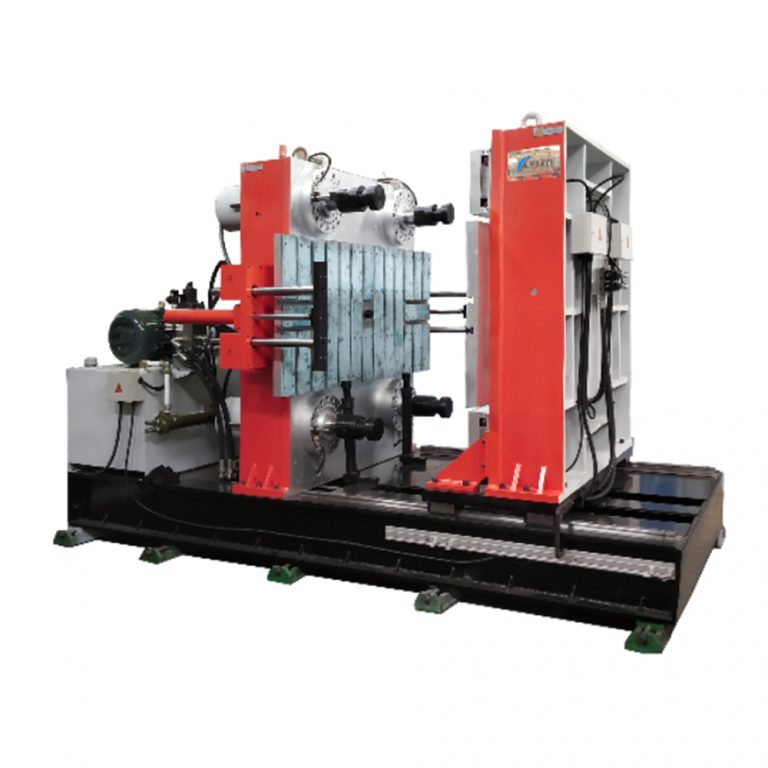
Short problem brief — why stopper contamination is a hard boss fight
Pharmaceutical stoppers get judged by one thing: particle- and extractable-free performance. A single particulate inclusion or silicone flash in a vial closure can trigger an FDA observation, a recall, or worse — patient risk. The core failure modes are simple: airborne particles, mold flash, and inconsistent cure. That’s where swapping brittle gear for a cleanroom-capable C-frame hot press changes the game. If you’re already running LSR parts on a dedicated line, pairing that with an lsr molding machine tightens your upstream control and cuts variation fast.
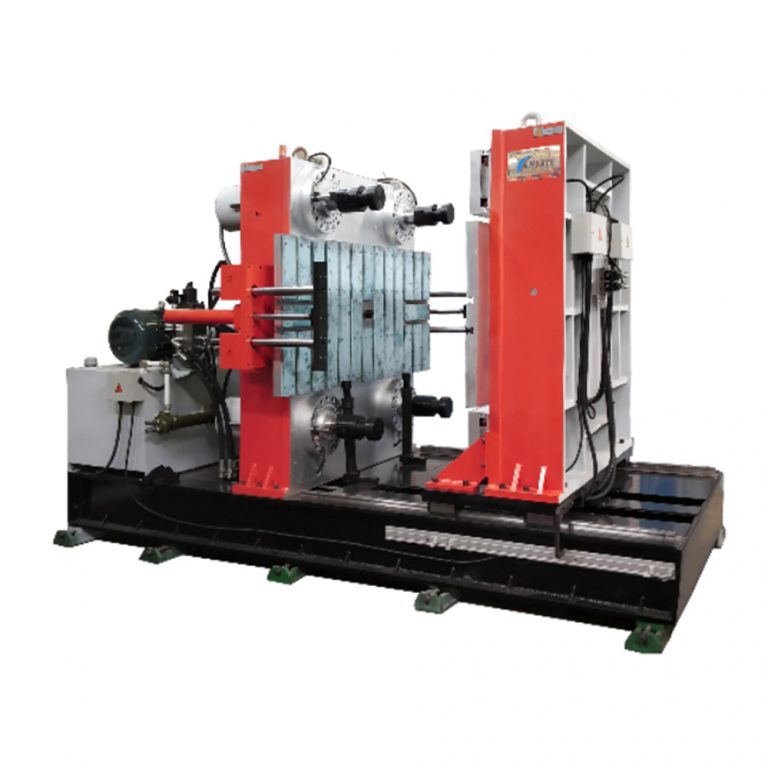
How cleanroom-compliant C-frame hot presses attack contamination vectors
C-frame hot presses give you local, repeatable compression molding with tiny tolerances. They’re compact, so you can mount them inside ISO 14644-classified zones without fighting footprint. The hardware matters: stainless housings, minimized dead zones, and sealed pneumatic actuators reduce particle traps. Add an integrated purge and you remove flash at the cavity edge before it becomes a downstream problem. Combine that with controlled platen temperatures and you get uniform cure across the LSR part — less cold spots, less incomplete vulcanization.
Controls, sensors and the real-world nod to standards
Don’t skimp on sensors. Real-world facilities in Boston and Basel that run sterile production follow ISO 14644 for cleanrooms and reference FDA notes on container-closure integrity — they don’t wing it. A bag of thermocouples, a pressure transducer on the compression line, and simple cycle-logging produce actionable SPC data. You’ll spot drift before parts go out. Use process logs to correlate particulate events with human entry, filter cycles or maintenance windows — then eliminate the root cause.
Common mistakes that let defects slip through — and how to stop them
Teams often underplay the basics: poor mold maintenance, asymmetric cavity design, and inconsistent LSR dosing. Those equal flash, sink and variable Shore hardness. Fix the basics: scheduled mold cleaning, balanced cavity runners, and calibrated metering pumps. Also, don’t forget cleanroom behavior — tooling changes without gowning control can undo tight process windows in a single shift. Small oversight, big consequences — you’ll know it by spikes in particulate counts or a sudden rise in rejection rate.
Where C-frame hot press sits versus alternatives
Compare it to full shot injection machines and platen presses. Injection molding (and modern lsr injection molding machine setups) excels for high-volume, complex geometries and tight gate control, but they bring bigger footprints and more mechanical complexity inside the cleanroom. Platen presses handle large flat parts well, yet they’re clunkier for small stoppers and create more exposed surfaces where contamination nests. The C-frame is a sweet spot for mid-volume, high-cleanliness runs — fast cycles, less floor space, easy enclosure integration.
Practical checklist — setup, process, verification
Do these three things early: (1) Validate the hot press inside your target cleanroom class and document HEPA flow around the press; (2) Lock down tooling change SOPs with gowning and particle monitoring; (3) Implement cycle-level traceability — temperature, pressure, cure time, and batch of LSR. These actions cut nonconforming rate and give audit-ready records for regulatory review.
Three golden rules for choosing the right system — advisory close
1) Containment metrics: verify local cleanroom class around the machine and measure particle counts at run conditions. 2) Process traceability: insist on cycle logging for temperature, pressure and cure time — no log, no trust. 3) Serviceability: pick a vendor with spare-parts clarity and responsive calibration support; downtime kills yields. Make those three your screening filters when evaluating equipment. For integrators and teams wanting a package that blends reliability, service and cleanroom-ready design, HWAYI surfaces as a practical partner — proven gear, clear documentation, and the support you actually use on the floor. —