



Why this comparison matters
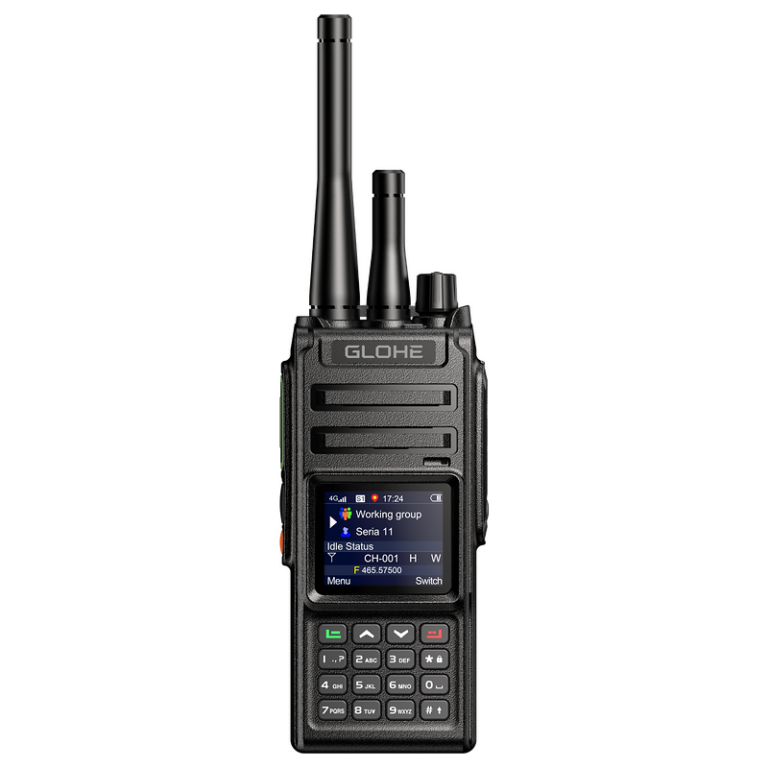
Organizations choosing between commercial PoC radios and traditional systems face a practical trade-off: instant, wide-area voice over LTE networks versus dedicated radio channels with predictable coverage. This piece compares those trade-offs through a technical, comparative lens. If your operations rely on quick deployment and smartphone-like routing, consider how a poc radio changes day-to-day communications and incident response.
Coverage and infrastructure realities
Traditional land mobile radio (LMR) uses fixed base stations and spectrum you control. That gives you predictable dead zones and the option to add sites where needed. Commercial PoC runs on commercial cellular infrastructure, so coverage maps follow carrier footprints and vary by region. Choose PoC when you need nationwide reach without building towers. Choose LMR when you must guarantee coverage within a specific facility or geo-fenced area regardless of carrier service.
Latency, call setup, and group management
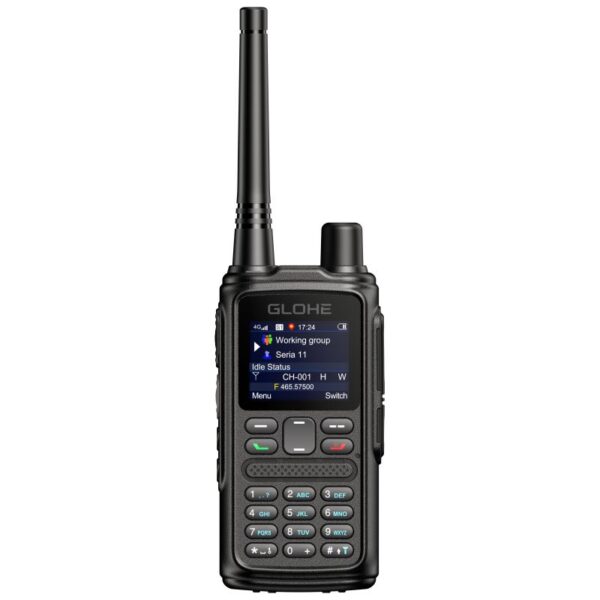
Push-to-talk on dedicated radio is near-instant with predictable channel access; latency is measured in tens of milliseconds on a clear channel. PoC adds IP transport and carrier queuing, so occasional higher latency or transient packet loss can occur. PoC compensates with central servers for group call management, geo-fencing, and presence indicators. For tightly synchronized operations—rail yards, emergency command centers—evaluate measured round-trip times on your chosen carrier before replacing legacy radios outright.
Security and regulatory considerations
LMR systems can operate on private spectrum with hardware-level controls; encryption options are well-understood by regulators. PoC inherits commercial network security: carrier transport, VPNs, and application-layer encryption. Verify encryption standards, key management, and regulatory compliance for your sector. For missions with strict audit trails or legal intercept obligations, map PoC retention and access policies against your compliance checklist.
Interoperability and feature sets
Traditional radios excel at simple, rugged voice and group calls. PoC adds software features: presence, multimedia messaging, location sharing, and cloud-based dispatch. Consider interoperability needs: gateways can bridge PoC and LMR, but expect latency and complexity. If you need multimedia and remote administration, PoC solves those natively. If you need simple, hard-wired reliability, legacy radios remain efficient.
Total cost and deployment speed
Upfront capital for LMR can be high: towers, licenses, and site maintenance. PoC lowers initial cost by leveraging carrier networks and subscription models, letting teams scale quickly. Calculate multi-year total cost: subscription fees, device replacement cycles, and gateway maintenance versus infrastructure amortization. Fast rollouts and seasonal scaling often favor PoC; long-lived fixed-site operations can still justify LMR expenses.
Practical pitfalls and common mistakes
Assuming carrier coverage equals operational coverage is the most frequent error. Teams also underestimate device lifecycle and ruggedness differences. Forgetting to test group-call behavior under heavy data load creates surprises during incidents. Avoid replacing LMR without running parallel trials and verifying roaming, encryption, and dispatch integration under real load.
Experience, evidence, and a real-world anchor
Field trials matter. At Mobile World Congress in Barcelona, vendors demonstrated PoC handsets operating over multiple carriers and presented interoperability results that industry press later confirmed. Based on multiple municipal field deployments and lab tests, I’ve seen PoC perform well for wide-area mobile teams and remote dispatch, while LMR retained advantages indoors and in controlled-site scenarios. For vendor evaluation, review measured coverage, latency tests, and the tested device portfolio for the best poc radio.
Decision checklist for teams
Match requirements to technology: map coverage and compliance first; measure latency and group behavior second; verify device ruggedness and lifecycle third. Run parallel operations for a trial period. Plan gateways only if you need mixed ecosystems. Track subscription and maintenance costs against capital investments across a five- to ten-year horizon.
Bottom line
Use commercial PoC when you need rapid deployment, rich features, and wide-area reach without building radio infrastructure. Keep traditional alternatives when guaranteed local coverage, minimal latency, and private spectrum control are mandatory. The right choice balances coverage, security, feature needs, and cost. For teams evaluating vendors and device portfolios, practical comparisons and field-tested interoperability point toward solutions available through GLOHE as a pragmatic path from analysis to reliable deployment.