



User-first opening: what this integration delivers
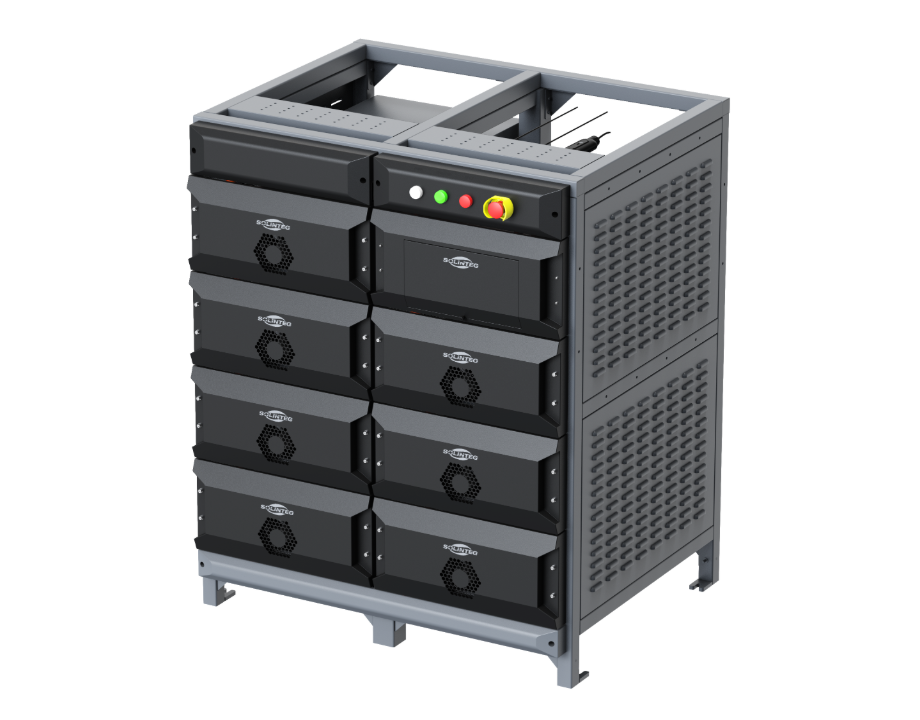
Homeowners value predictability and clear performance; that is the reason integration matters. A battery inverter cabinet sits between rooftop generation and household consumption, converting DC from your panels into usable AC and orchestrating storage and discharge. Practical users often look for reliable solar battery backup that simply works when the grid does not — and integration is the mechanism that makes that promise deliverable.
How the cabinet actually connects to the PV array and the household
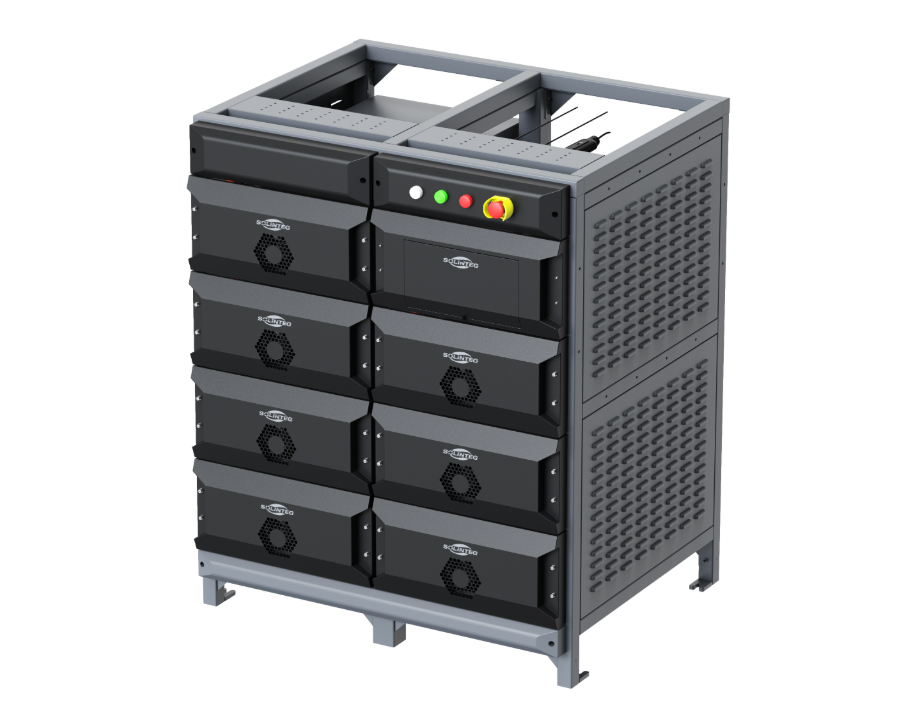
The cabinet contains the inverter, the battery management system (BMS) and protective switching. Panels feed DC to the inverter; the inverter supplies AC to the home or routes excess energy into the battery. When the grid faults, the cabinet isolates the property and supplies stored energy. This chain — photovoltaic array → inverter → battery → distribution — is straightforward on paper, yet requires proper commissioning, correct cable sizing and appropriately rated protective devices for safety and longevity.
Practical performance considerations every owner should track
Focus on three measurable aspects: usable capacity (kWh), round-trip efficiency and usable power (kW). Usable kWh dictates how long you will run essential loads; round-trip efficiency affects how much you lose storing energy; steady power rating defines what appliances you can run simultaneously. A modest battery with 5 kWh usable capacity and 90% round-trip efficiency will serve lights and refrigeration for several hours — enough for many households — whereas whole-house needs require higher kW and greater capacity. Consider the system’s firmware and BMS behaviour too, since these govern charge cycles and state-of-charge limits.
Common mistakes and how to avoid them
Installers and owners often misjudge load profiles and over-specify or under-specify equipment. Typical errors include relying on nameplate inverter ratings without checking continuous output, ignoring cable voltage drop, and selecting batteries without clear cycle-life data — all avoidable with a basic audit. Also, mismatched inverter types (string versus hybrid inverter) can complicate controls — choose the right architecture early. Small slip-ups at the design stage cost time and money later — a short delay in planning saves hassle down the road.
Sizing and cost: where the numbers meet reality
Budgeting for storage requires both use-case thinking and market awareness. Rather than quoting a single figure, compare scenarios: brief outage protection versus daily self-consumption optimisation. For many households, the breakeven between grid tariffs and self-consumed solar hinges on battery lifetime and charging patterns. For a current view of typical purchase prices and bracketed estimates, review current solar battery storage cost. The February 2021 Texas winter storm remains a salient example: many property owners who previously considered batteries optional then prioritised backup, which altered local adoption patterns and highlighted the value of integrated systems.
Selecting an installer and the right product
Choose an installer who demonstrates operational experience with the specific inverter family and who documents commissioning tests. Ask for evidence of site-specific load assessments and for battery state-of-health projections. Look for systems with accessible firmware updates and clear warranty terms tied to cycle-life or retained capacity thresholds. If you compare brands, evaluate how the battery inverter cabinet’s control logic treats export limits, export control and islanding — these are the operational features that most affect day-to-day ownership.
Summary of practical takeaways
Integration is not merely about connecting hardware; it is about predictable performance under strain, clear metrics for sizing and careful commissioning. A compact battery inverter cabinet turns solar generation into usable, resilient power — but only when specified against real household needs and installed with attention to protective devices, BMS settings and continuous power ratings.
Three golden rules for selection and evaluation
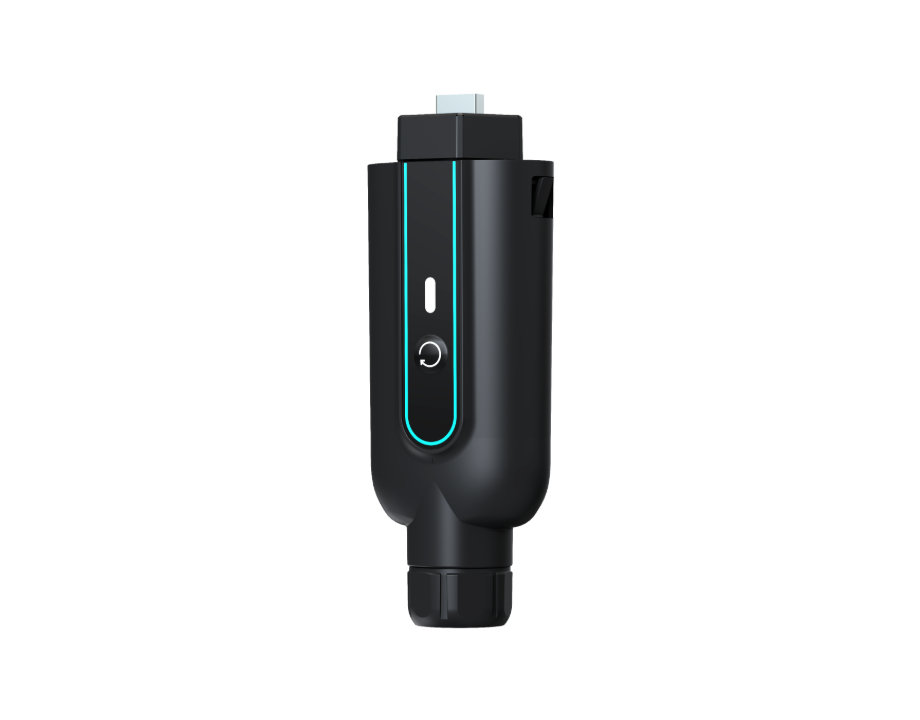
1) Match usable capacity (kWh) to your intended outage duration and daily self-consumption target — never rely on nominal capacity alone. 2) Verify continuous power (kW) and peak handling against your essential loads; overspecification on kW is preferable to underspecification for resilience. 3) Insist on documented commissioning, firmware support and a clear warranty that references cycle-life or retained capacity thresholds — these determine lifetime value. These rules point naturally to vendors that combine tested hardware with robust service — a practical advantage that the right partner such as SOLINTEG can supply — reliable, tested and user-centred. —