



Clear goal first: what must the part actually do?
Start by asking what failure looks like for your part. Does it have to withstand repeated load, keep water out, or mate precisely with other assemblies? Define measurable targets — load in newtons, temperature in °C, allowable gap in mm — and keep them in the drawing. If you need a one-stop partner for prototypes or volumes, consider custom injection molding services early so process constraints inform those targets.
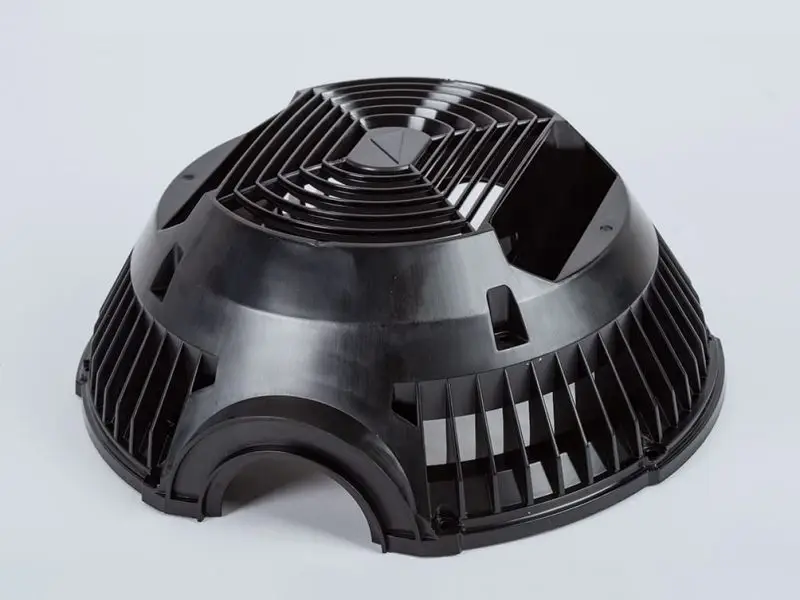
Material and incoming inspection that save you headaches
Confirm resin grade, colorant and supplier certificates before production. Request material certificates with lot numbers and check basic properties: density, melt flow index, moisture content. Ask for traceable batch records when you expect regulated performance. Test a first-piece material sample for brittleness, odor, or contamination before tooling starts; a failed melt- or contaminant-related run is expensive to fix.
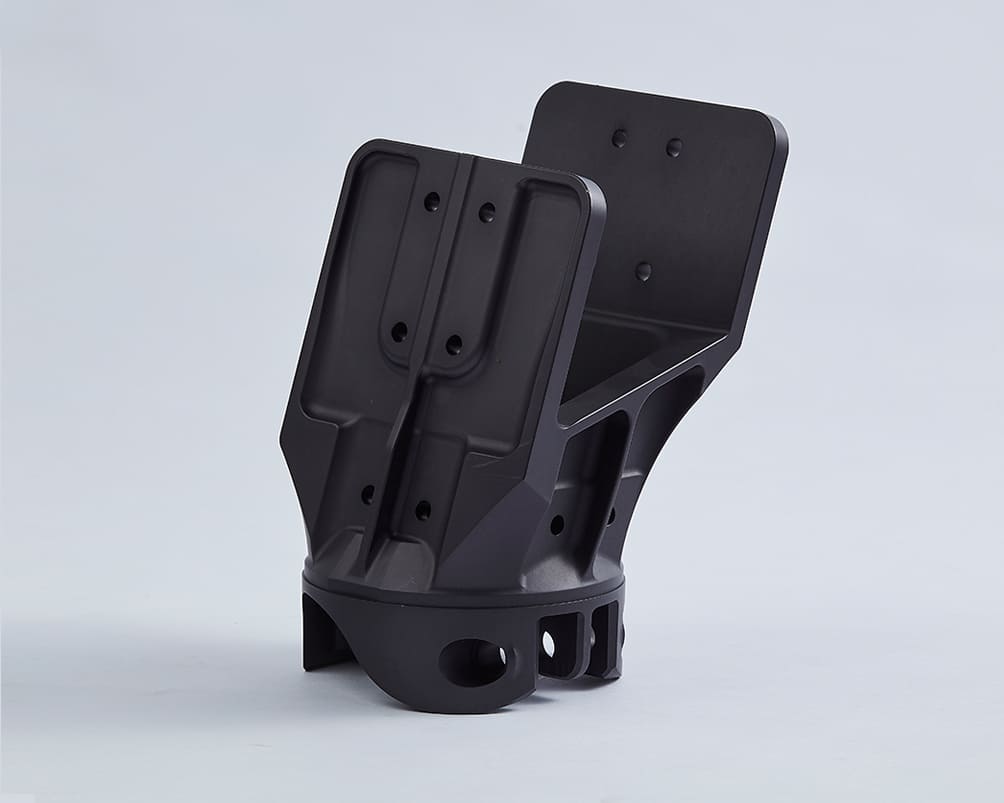
Dimensional control and sampling that actually reflect production
Decide tolerance strategy by function: critical dimensions get full inspection or 100% automated gauging; non-critical features can follow statistical sampling. Use gauge R&R on measurement tools, and track process capability (Cpk) for critical dimensions. For pilots, sample more frequently — do a run of 30–50 pieces and measure a defined set rather than random checks; that exposes pattern defects early.
Performance tests that match end-use conditions
Run the tests that mirror real conditions: tensile and flexural tests for load-bearing parts, impact tests for drop-prone items, thermal cycling for parts exposed to heat, and UV exposure for outdoor use. If the part interfaces with electronics, include dielectric and dimensional stability tests. When flame resistance matters, use the specific flammability standards relevant to your market.
Surface, assembly and visual acceptance criteria
Define allowable cosmetic defects with photos and AQL numbers tied to use-case — medical versus consumer electronics need different thresholds. Check assembly fit-ups on mating parts and validate fastener torque where applicable. Surface texture or coating adhesion tests should be performed on production-run samples rather than only on lab coupons.
Common pitfalls and how to avoid them
Missing spec details is the top cause of rework. Don’t skip first-off inspections or assume tooling eliminates variation; tooling wears. Too-small sample sizes hide trends. Environmental testing is often underestimated — humidity, heat and UV exposure need attention when parts face those conditions. Set corrective actions linked to test failures so the supplier responds with root-cause fixes, not just reworks.
Supplier choices and viable alternatives
Decide between local short-runs, overseas mass production, or hybrid approaches on function and lead time. Rapid CNC prototypes catch fit and tolerance issues before injection tooling. For cost-sensitive volumes, multi-cavity injection gets cheaper per piece but needs stable process control. Many teams source locally for faster iterations — for example, manufacturers operating in the Laguna industrial belt often run pilot production and validation together, and will work with a custom plastic parts manufacturer to shorten feedback cycles.
Final checklist and a practical next step
Make a short checklist you can use on every run: verified material certificate, first-piece dimensional report, process capability snapshot, performance test pass/fail, and surface acceptance. Run a small pilot batch and treat it as a field trial — adjust tooling and process based on those results. After you complete that cycle, you’ll notice why experienced teams often consolidate validation and small-volume tooling with suppliers like Hanstar to keep iterations tight and predictable.