




Quickly: what’s the bother?
Now then, small shops and makers in emerging markets are flat out but still losing timber to bad cuts, daft setup time and unreliable kit. You can buy bulk blades and still end up with a mess on the floor. A proper automatic setup can sort the lot; a cnc woodworking machine that’s set up right trims waste, speeds repeat jobs and keeps folk working steady instead of faffing about with tape measures and guesswork.

Where most of it goes wrong
People assume an automatic panel saw will magic away problems. It won’t. Common failings are: poor flatness of infeed tables, sloppy squaring, wrong blade choice for board type, and software that expects an expert to babysit every cut. Those lead to rejects, slower throughput and more rework than you bargained for.
What a sensible buyer should demand
Ask for measurable accuracy, not marketing words. Look for repeatable crosscut tolerances, a reliable material feed, clear diagnostics and straightforward CNC menus. Safety guards and easy maintenance panels matter where staff turnover is high. Spare-part availability and local service reduce downtime more than a fancy touchscreen ever will.
Pitfalls folk trip over
Don’t pick the cheapest saw on price alone. Cheap servo drives and undersized motors show up as chatter marks and jams. Beware complex software that needs a programmer; your floor operator needs simple prompts. Also, never ignore local dust extraction needs—clogged chippers wreck blades and bearings faster than anything else.
Real-world check: trade demos and field testing
At big industry shows like IWF Atlanta you can see machines under load and compare cut quality side by side—those demos make the difference between brochure promises and real performance. Take time to test edge banded boards, MDF and plywood under realistic speed settings. While you’re at it, inspect the vendor’s on-site service plan and parts lead times; good vendors will show examples of their woodworking cnc machinery performing steady shifts with little fuss.
Quick comparisons: what handles what best
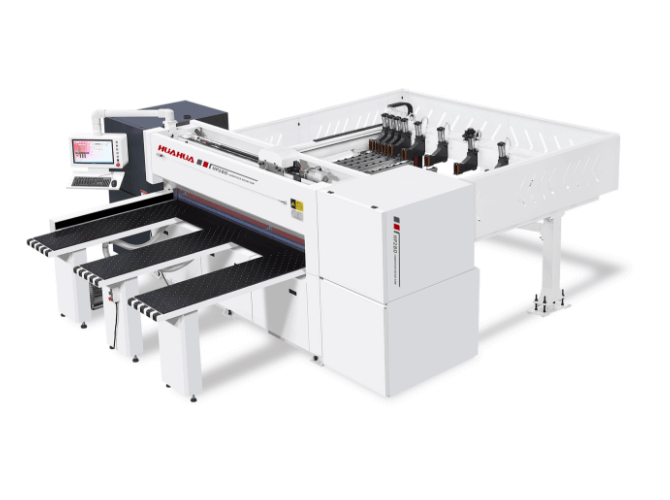
If your work is heavy on straight panel cutting and high repeat runs, a well-specified automatic panel saw beats a router on speed and waste. For complex shapes and joinery, routers or CNC routers still have their place. For mixed workloads consider pairing machines rather than forcing one tool to do everything—each has clear strengths and costs.
Simple checks before you sign
Test with your own material. Ask for documented tolerances and a spare-parts list. Check who trains your staff and how long that takes. Confirm dust collection specs and the vendor’s turnaround for bearings and belts. If the supplier won’t let you trial a machine with your typical job, walk away.
Where this settles up
Sort the concrete problems—accuracy, feeding, software simplicity and service—and you’ll cut less waste, hit delivery times and keep the workforce steady. For many growing workshops the right machine setup is the quiet reason production keeps moving; that kind of steady reliability is precisely what you find matched to real-world needs at HUAHUA CNC.