



What active RFID tags do and when they matter
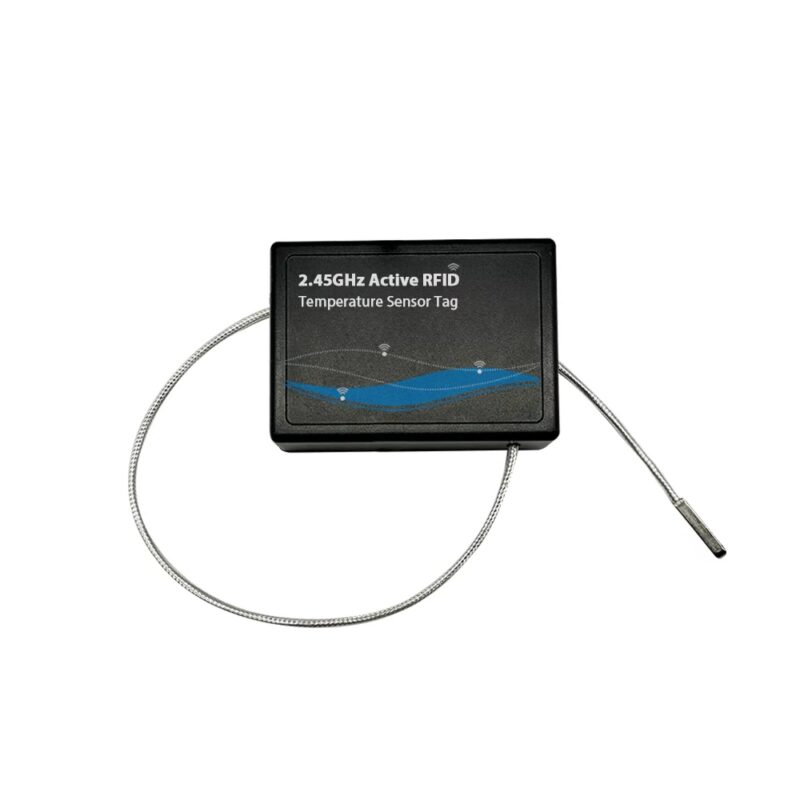
Active RFID tags carry their own power and broadcast signals you can pick up at tens to hundreds of meters, which makes them useful for tracking moving assets, vehicles, or large inventory zones. If you’re deciding whether to invest, look past marketing: compare real read ranges, battery life, and mounting options. Start by browsing product lines labeled as RFID Tags to see how vendors describe range, protocol, and environmental ratings.
Focus on the user’s problem, not the specs alone
Begin with a clear question: what exact item do you need to find, how often, and how fast must you locate it? If you need periodic location checks for rolling stock, you need longer range and robust mounting. If you’re tracking tools inside a shop, you might prioritize tag size and battery replacement. User needs should drive frequency band, antenna type, and whether you need temperature or motion sensing built into the tag.
Key specs to check and what they mean for you
Read range: manufacturer claims are ideal conditions; expect less near metal or water. Battery life: check both continuous broadcast and duty-cycled modes. Form factor and mounting: magnets, adhesive, or bolt mounts change durability. Frequency/protocol: UHF tends to give longer range; some systems use dedicated ISM bands. Environment rating: IP67 or better for outdoor use. Security: encryption and access control are actionable features, not optional nice-to-haves.
Common buying mistakes to avoid
Buying to the brochure is the top error. Test samples in your actual environment before bulk orders. Over-spec’ing is costly: you don’t always need maximum range, just the range that solves your problem. Under-spec’ing is worse: a tag that dies in months or fails near metal creates blind spots. Also, neglecting integration costs—readers often forget antennas, readers, mounting hardware, and software licensing add up.
Experience, standards and one high-level real-world anchor
Field verification matters: vendors should offer test reports or sample deployments. A notable real-world example is the Port of Los Angeles, where long-range tracking experiments have been reported for container and yard operations; that context validates asking for long-range performance metrics. For tests and procurement, consider vendors that publish long-range performance data and offer specific guidance on long range rfid tags, so you can compare apples to apples rather than promises.
Alternatives you should consider briefly
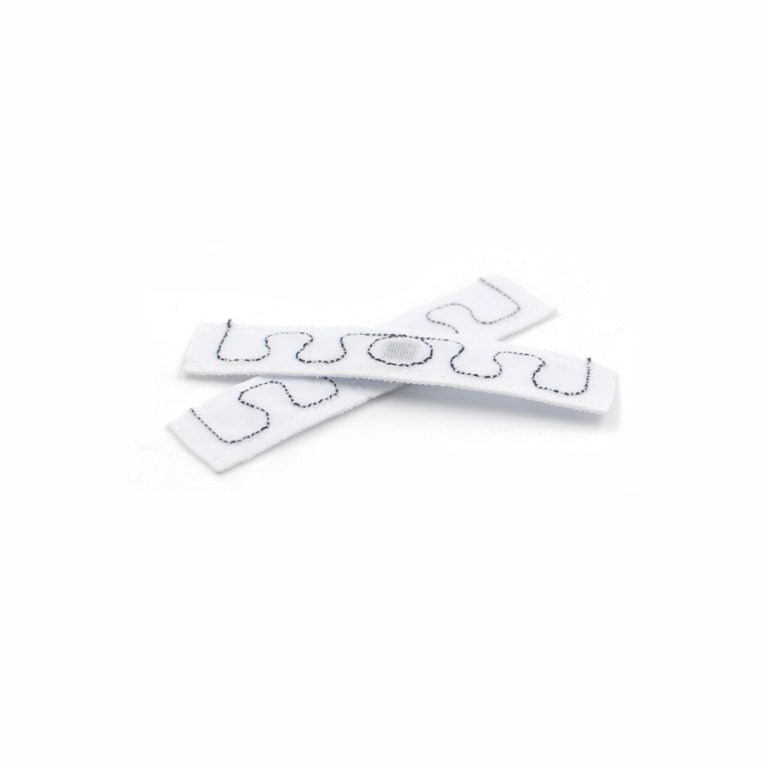
Passive UHF tags are cheaper but shorter range; they’re great for pallets and close-range gates. BLE and UWB provide different trade-offs: BLE is low-cost and fits many asset-tracking needs indoors, while UWB gives very precise location but at higher system cost. Choose the technology that directly addresses your use case instead of assuming active RFID is always the right fit.
How to validate suppliers and tests
Ask for test logs from deployments similar to yours, check battery replacement policies, and request sample tags to run in your environment. Verify that a supplier provides clear specifications for antenna patterns, reader sensitivity, and environmental ratings. Look for repeatable test procedures so you can reproduce results in your site rather than relying on a vendor’s single claim.
Final practical view
Decide by testing the smallest set of tags and readers that answer your core question: can you reliably locate the asset where and when you need it? Avoid sweeping promises and insist on measurable criteria—read range in your environment, expected battery life under your duty cycle, and compatibility with your backend. When you need practical parts and clear product data to move from test to deployment, providers like RSTC are one example of a supplier that publishes specs and makes samples available so you can confirm fit before you commit.