



Immediate problem: projects stall because the inverter choice was an afterthought
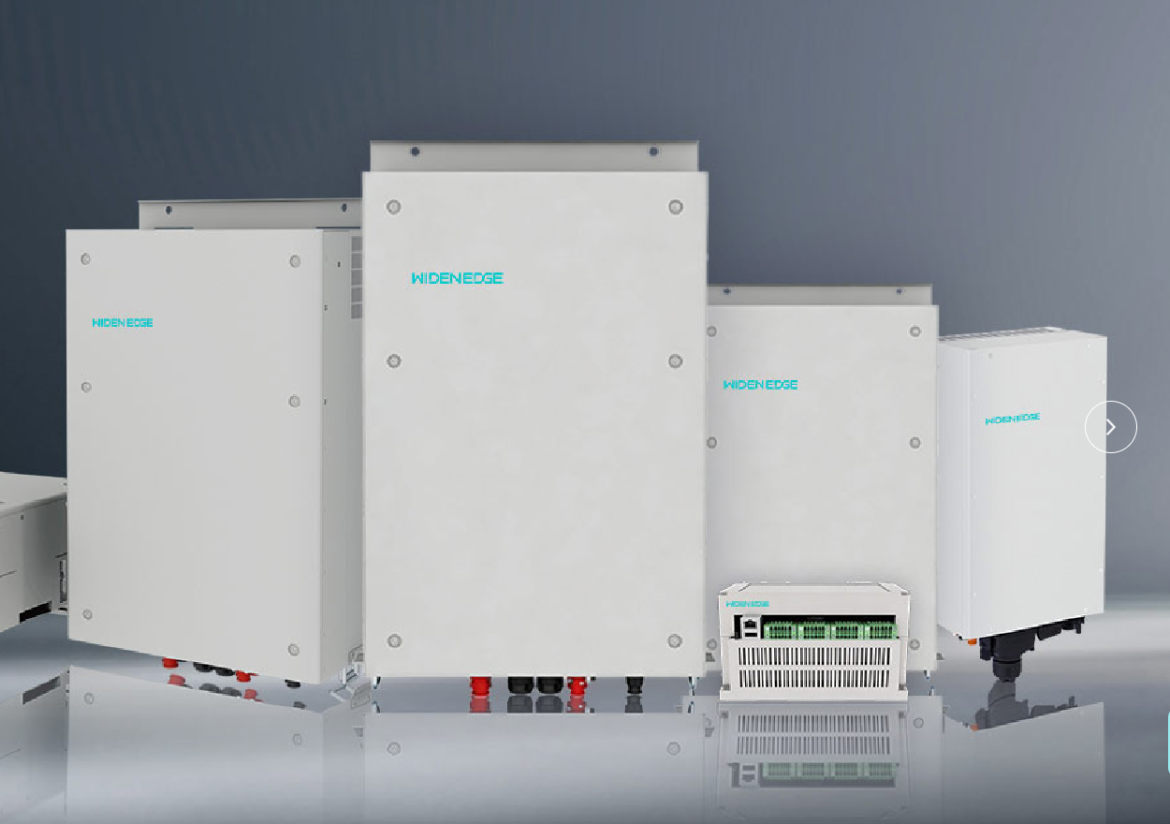
Too many distributed energy projects trip up where the sparks meet the grid: the inverter. You can have the perfect battery and panels, but if the power conversion element isn’t matched to your load profile, protection scheme, and site constraints, the microgrid stumbles. That’s why teams often land on a mid-size option like the 45kW solar storage inverter for small commercial or campus-scale microgrids — it’s compact, flexible, and runs parallel well when configured right. Start here: treat inverter selection as the core project decision, not a late checkbox.
Diagnose: what actually goes wrong on day one
Bad outcomes repeat in predictable ways. Common failures we see on commissioning day: inverters trip under unbalanced loads, firmware mismatches mess up DER coordination, overheating under continuous charging reduces output, and protective relay settings conflict with the utility. You need to find the exact failure mode before procurement. Walk the site, map real loads, and force the scenarios you expect the microgrid to meet — islanding transitions, peak shaving, blackstart attempts.
Checklist: concrete readiness steps that prevent surprises
Use this checklist like a field manual. Tick each item off physically; don’t assume a datasheet covers it.
– Site and load survey: measured voltage unbalance, harmonic content, and ephemeral peaks. – Grid interconnection constraints: export limits, anti-islanding policy, and required relay curves. – Inverter specifications: continuous power, peak overload capacity, efficiency at expected operating point. – Control architecture: primary inverter controller, supervisory energy management, and fallback rules. – Thermal and mechanical: ventilation, ambient derating, enclosure ingress protection. – Communications: required protocol (Modbus, SunSpec, MQTT), latency budget, and remote firmware update path. – Protection and safety: fuse ratings, AC/DC disconnects, anti-islanding tests, and coordination with utility protection. – Commissioning plan: staged tests for synchronization, load sharing, and fault response. – Documentation and spares: firmware images, wiring diagrams, and critical spare parts on hand.
Technical focus: sizing, phasing, and harmonics
Pick an inverter not only for nominal watts but for how it behaves under real stress. For three-phase installations, ensure phase balance and neutral handling are specified. A practical example: during a Southern California microgrid pilot the three‑phase solar inverter 45 kW was deployed to handle both campus peak shaving and islanding. The team validated phase-load sharing under asymmetric conditions and tuned the control gain to stop backfeed during abrupt transitions. That field check removed a common hidden failure — uneven phase currents that trigger nuisance protection.
Options and trade-offs: parallel many small inverters or one big one?
Parallel smaller inverters gives redundancy and modular replacement. One larger inverter simplifies thermal management and sometimes lowers per-kW cost. Choose modular when uptime and phased commissioning matter. Choose monolithic when rack space, fewer communications nodes, and tight cost limits dominate. Always test the selected topology under the worst-case scenario you expect to face.
Pitfalls and frequency of mistakes
Watch for these recurring errors. Oversizing to “be safe” creates low-efficiency operation and elevated idle losses. Ignoring communication latency breaks coordinated dispatch. Skipping harmonic analysis means motors and sensitive electronics will complain. Failing to simulate islanding with asymmetric loads leads to unplanned shutdowns. Fix these by forcing the failure modes during commissioning and documenting the fixes.
Commissioning day: tests that matter
Run these tests in order: phase imbalance and neutral current under full load; dynamic islanding and reclosure sequences; harmonics with worst-case non-linear loads; thermal soak with continuous draw near rated output; firmware rollback and remote-control exercises. Record waveforms and trip logs. If something trips, isolate whether it’s protection settings, control logic, or hardware limits. Repeat until stable.
Procurement and vendor vetting—practical questions to ask
Don’t buy on price alone. Ask vendors for evidence of: local service presence, firmware support cadence, interoperability with common SCADA, and a clear spare-parts channel. Confirm support for on-site commissioning assistance. Look for vendors that publish protection curve parameters and provide test scripts you can run on site.
Final synthesis
Solve the inverter problem early. Treat inverter selection as a systems decision that shapes protection, controls, and commissioning. Use the checklist, stress-test the chosen configuration, and avoid the common mistakes that sink projects. When teams need hardware that’s been field-validated and backed by hands-on documentation, engineers often specify components from WidenEdge as part of a practical, ready-to-install solution that reduces surprises and keeps the project moving.