



The immediate problem shops face
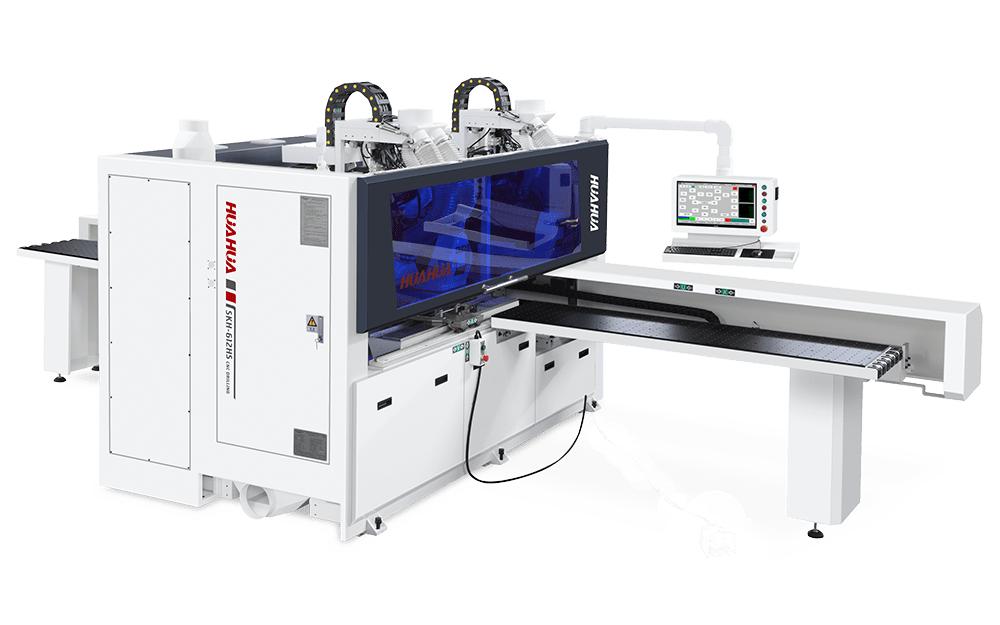
Small and growing manufacturers need higher throughput without ballooning costs, and that’s where choices get messy. You can buy raw speed, but if the saw sits idle for tool changes or creates rework, that speed’s meaningless. Early on, teams often think a separate cnc drilling machine will solve throughput gaps, but mismatched workflows create bottlenecks instead. The real issue is aligning machine capability, material handling, and operator skill so cuts flow instead of stacking up.

Why the problem keeps recurring
Materials vary, demand spikes, and labor turnover is real. Shops underestimate how much a panel saw’s feed system, blade quality, and waste layout affect yield. They pick a fast saw without checking if their shop floor can handle the offcuts or dust it produces. That gap between machine capability and shop operations creates the recurring headache: faster cycle times on paper, slower lead times in practice.

What an automatic panel saw actually fixes — and what still needs attention
An automatic panel saw reduces manual layout errors, speeds repeat jobs, and improves edge consistency. It eliminates a lot of physical strain and the variability that comes with hand feeds. It won’t fix poor inventory practices, inadequate dust control, or lack of staff training. Expect the saw to be a production enabler, not a plug-and-play cure. Plan for material flow, preventive maintenance, and integration with downstream machines.
Common mistakes that cost time and money
Buyers commonly skip these checks: ignoring dust extraction capacity, assuming local service is available, under-specifying blade and motor options, and failing to plan spare-part inventory. Another frequent error is treating software as optional. A saw with decent cutting algorithms but no way to export cutting lists wastes nesting efficiency. Finally, don’t forget safety interlocks and ergonomic loading — those reduce accidents and keep run rates steady.
Comparing practical alternatives
Manual table saws lower upfront cost but raise labor and scrap. Semi-automatic saws cut half of the labor but still need skilled operators for repeatability. Full automatic panel saws offer consistent yield and lower per-piece labor for medium-to-high volume, but require investment in handling systems. Subcontracting remains viable for occasional peaks, but it limits control over lead time and quality. Choose based on predictable volume, not hopeful growth.
Real-world signal from industry shows
Recent demonstrations at large woodworking trade events—like the IWF in Atlanta—made one thing clear: integrated lines outperform isolated machines. Observers there compared setups where a wood drilling machine was synchronized with panel processing, and the shops that planned workflows around those linkages reported fewer stoppages and less manual handling. That kind of field visibility matters more than specs on paper.
A practical decision checklist
Before you buy, walk the floor with these questions: What’s your average and peak panel-per-hour need? How will offcuts and dust be handled? Is local support and spare parts available within a day or two? Can the saw’s software accept nesting lists from your quoting system? Who will train operators and perform preventive maintenance? If answers aren’t tight, budget for the gaps before the machine arrives.
Bottom line
Fix the workflow first, then match the saw to that workflow. Automatic panel saws deliver real gains when they replace a balanced mix of manual steps and simple tools; they fail when dropped into a process that can’t handle their output. For shops building reliable production rather than chasing hype, an integrated approach that considers handling, maintenance, and downstream tooling usually wins — and that’s where vendors like HUAHUA CNC fit naturally as part of a practical, long-term solution.