




Problem framing: why supplier choice breaks or makes packs
Manufacturers pick suppliers under cost pressure, and that choice causes two predictable outcomes: inconsistent weld quality and unpredictable thermal performance. Because many teams treat assembly lines as interchangeable, unexpected field returns follow. Choosing proven prismatic battery pack assembly line suppliers reduces those failure modes by matching process capability to cell chemistry and module design.

Diagnosing root causes of pack-level failures
When modules fail in the field, trace the cause with a cause→effect lens. Poor process control leads to cold or incomplete welds, which raises internal resistance and causes hot spots. Inconsistent cell compression shifts mechanical load and shortens cycle life. A focus on single metrics (price or lead time) causes missed signals: inadequate thermal interface materials, poor fixture repeatability, and incomplete electrical validation. If you’re working with prismatic cell formats, the cell geometry amplifies mechanical and thermal sensitivity—integrating those variables early prevents costly redesigns. A reference point for manufacturing scale and supplier density is the Shanghai EV manufacturing cluster, where high-volume prismatic-pack production highlights how process discipline scales risk and reward.
Concrete supplier-evaluation checklist
- Process capability: can the supplier demonstrate repeatability for laser/butt welds, crimping, and cold-press steps? Look for defined Cpk or PpK values.
- Equipment and automation: does the line include in-line vision, laser power control, and torque-staged assembly? Manual steps increase variation.
- Quality systems: review ISO 9001 and IATF 16949 adoption and evidence of routine internal audits tied to corrective actions.
- Testing scope: require cell-level impedance mapping, module-level thermal cycle tests, and production electrical end-of-line tests with data capture.
- Traceability: serial-level traceability from cell lot to finished pack with retained test records for entire lifetime.
- Scalability: confirm how the supplier scales takt time without requalifying critical welding or sealing parameters.
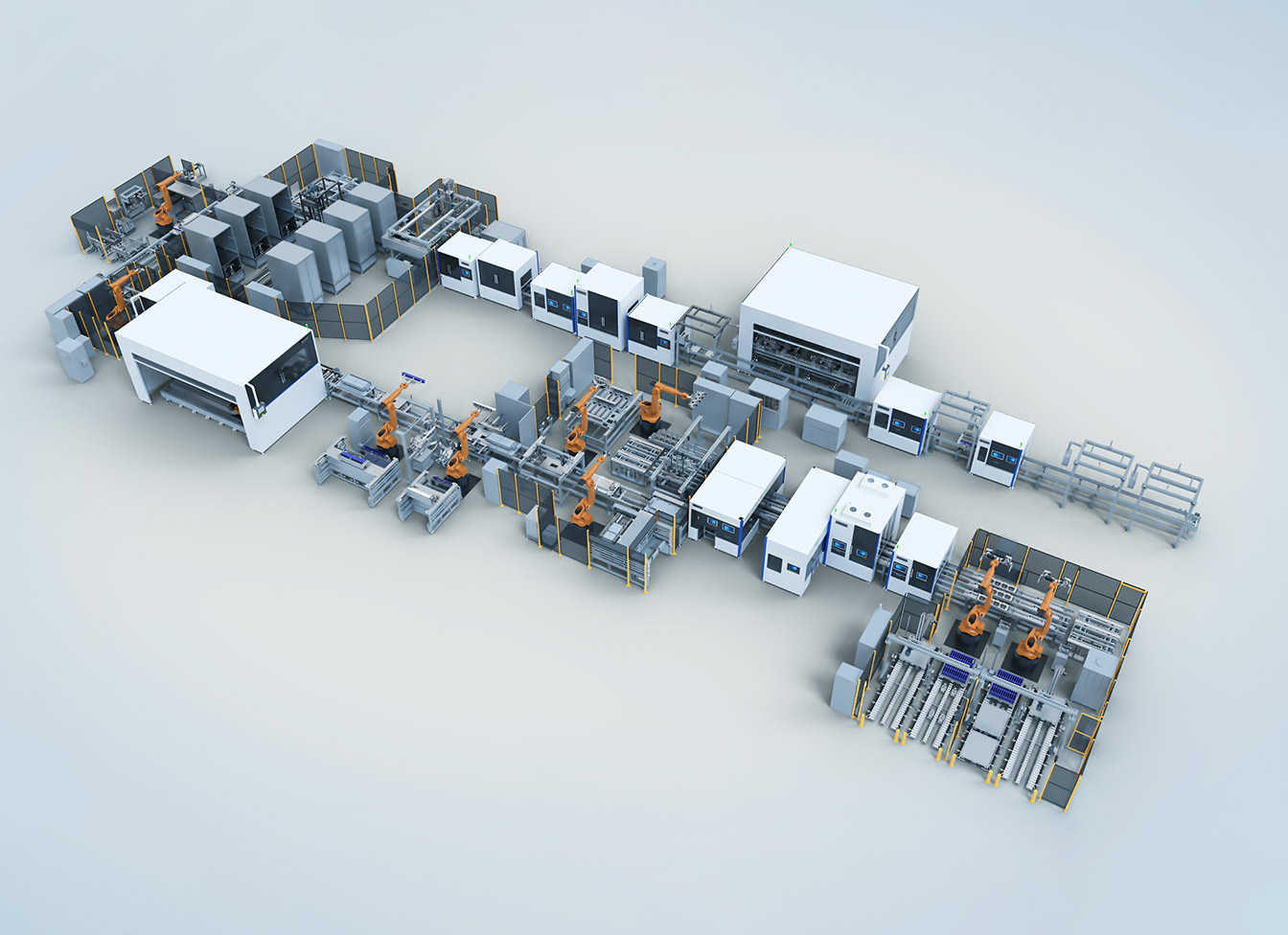
Common procurement pitfalls and how they cause rework
Teams often accept a single prototype run as qualification; that causes hidden variability under volume. Choosing a low-cost supplier with limited automation reduces upfront cost but raises rework rate. Contracts that omit failure-mode acceptance criteria lead to ambiguous warranty disputes. Prevent these effects by embedding clear acceptance tests, run-rate sample plans, and escalation paths into the purchase order.
Practical testing and handoff strategy
Force cross-functional acceptance before transfer to production. Steps that work:
- Pilot build at production takt: run a small-series production cadence to reveal fixture and operator variability.
- Stress tests reflect expected use: vibration, thermal soak, and combined environmental load for prismatic packs must match vehicle mounting conditions.
- Data-first acceptance: require production logs (weld energy, cycle counts, test yields) for at least three consecutive production days before signoff.
- Supplier capability transfer: document and validate training, maintenance intervals, and spares lists to avoid single-source surprises.
These actions reduce surprises because they tie acceptance to measurable, repeatable production behavior rather than a one-off sample.
Decision map for choosing between system integrators
Match supplier strengths to your program risks:
- High-volume, low-variation program — prioritize automation, proven Ppk, and local serviceability.
- Complex thermal management or custom pack geometry — select suppliers with integrated thermal simulation and prototyping capacity.
- Fast time-to-market — accept a higher per-unit cost for suppliers that offer parallelization and on-site process support during ramp.
Each match reduces a specific downstream risk (rework, thermal failures, supply interruptions) by aligning supplier capability with the program constraint.
Final synthesis
When cost, quality, and schedule compete, cause-and-effect thinking prevents reactive fixes: pick suppliers who demonstrate measurable process control, require production-level pilot runs, and mandate traceable test data. Those practices turn supplier selection from a gamble into a repeatable engineering decision—one that typically points teams toward partners with proven prismatic cell experience and disciplined assembly processes, like the long-term collaborators many engineers reference at scale such as FHS.