



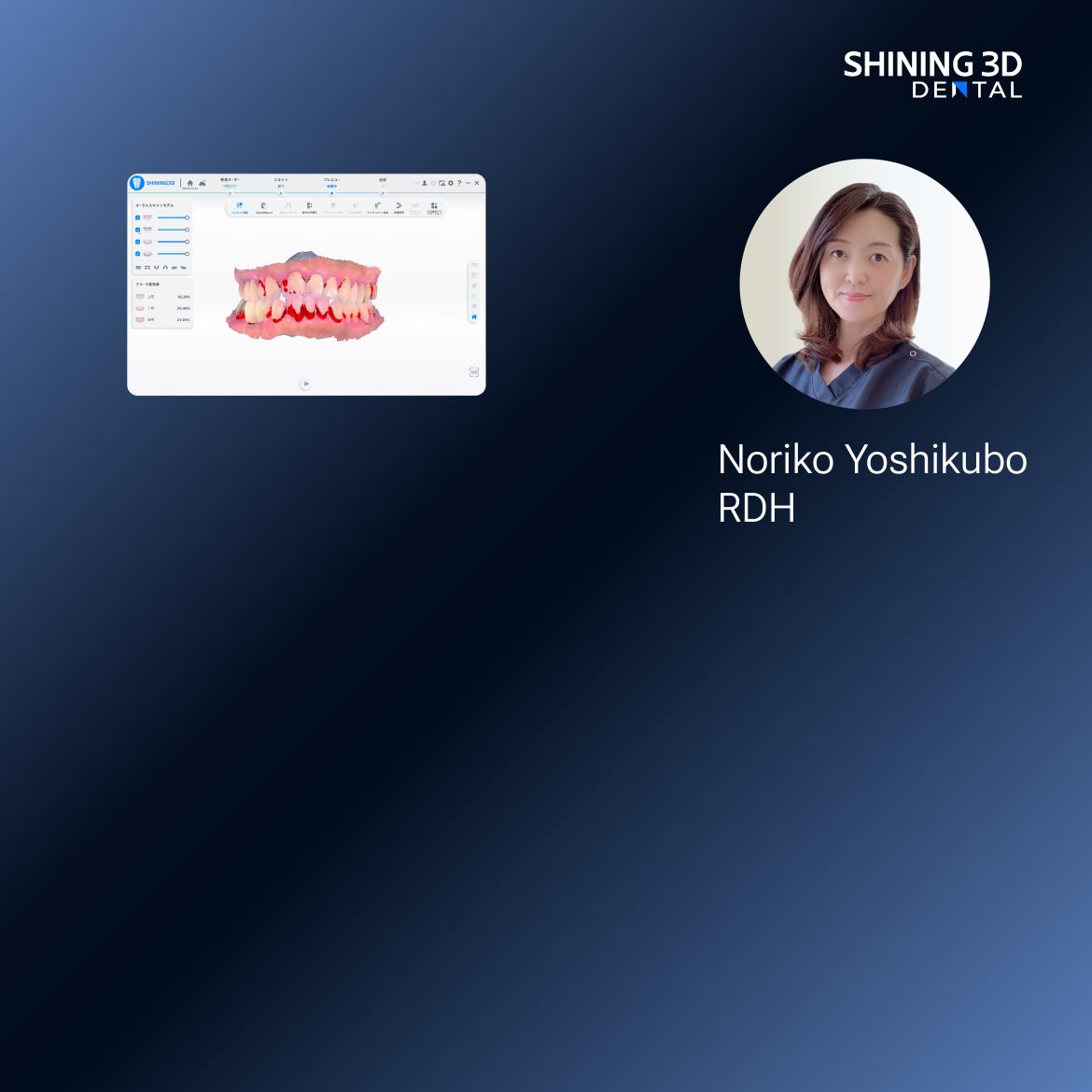
The core problem: lost value between scan capture and finished part
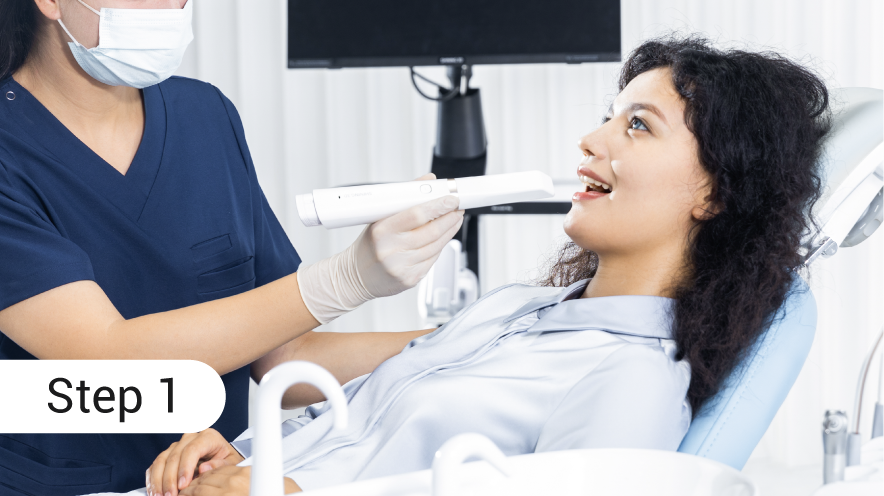
Dental practices and small labs convert a clinical interaction into a digital file, then often lose time and margin before a restoration reaches the patient. Poorly integrated workflows raise cycle time, increase rework, and hide cost per unit. Clinics that push for same-day delivery now pair intraoral scanners with a dental resin 3d printer to turn scans into temporaries or appliances the same day, but that connection is tactical and fragile without clear standards, verification, and cost control.
Where the workflow breaks down — a pragmatic diagnosis
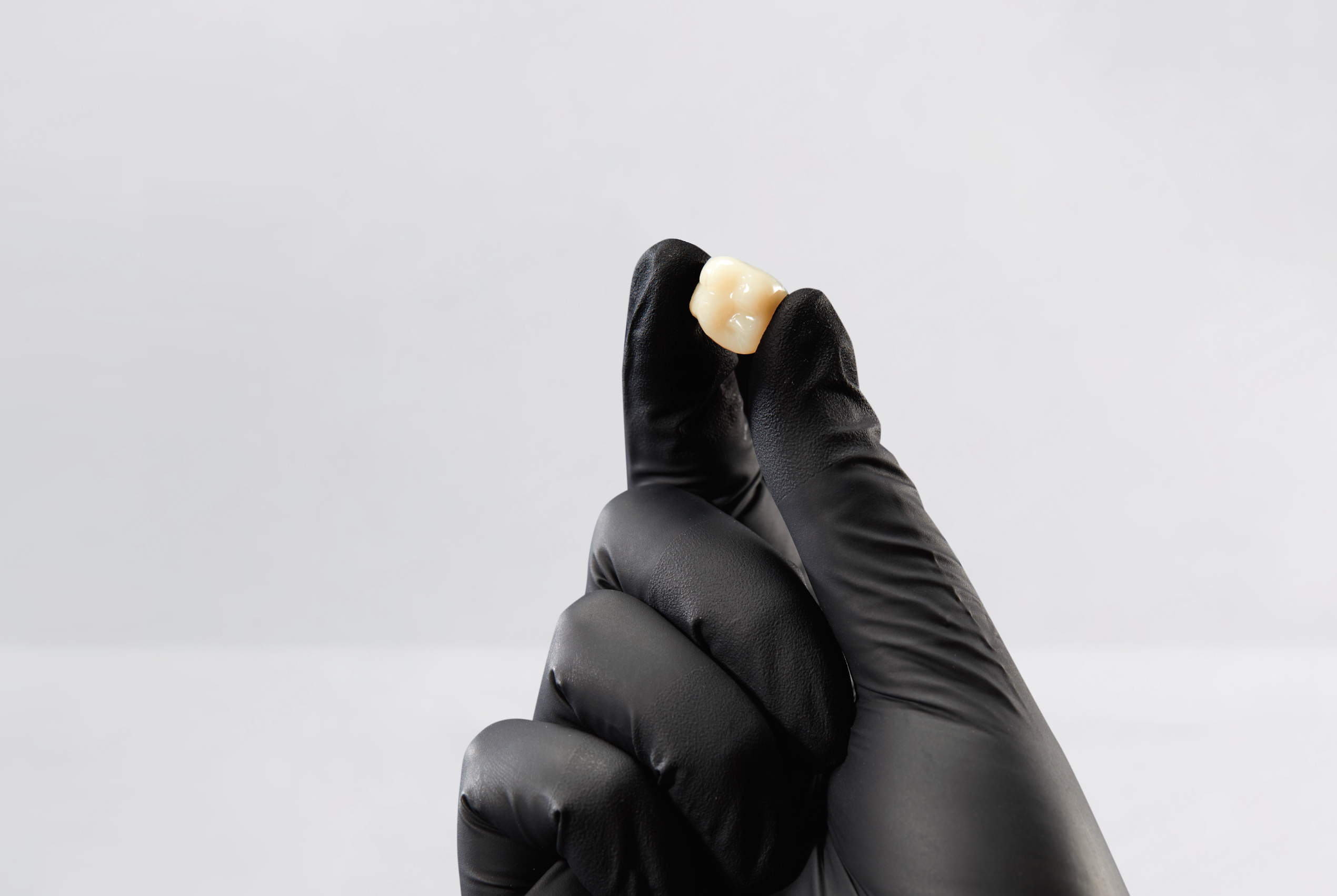
Failures cluster around five areas: incompatible file formats and mesh quality, suboptimal print orientation and supports, inconsistent material batches, insufficient post-cure control, and human factors like inadequate operator training. Each failure raises scrap rates and hidden operating expense. Quantify those failures: failed prints inflate effective unit costs; unpredictable finishing steps extend chair occupation. These are operational risks, not abstract IT problems.
Technical fixes and investment trade-offs
Fixes require engineering controls and commercial discipline. Standardize capture formats (PLY or high-resolution STL) and automate mesh repair in the CAM stage. Define print parameters per material and part geometry; track yield by lot number to link material variability to failure rates. When evaluating printers, compare build volume, native XY resolution, repeatability, and validated material libraries against throughput targets and total cost of ownership. Trade shows such as IDS in Cologne have been places where manufacturers demonstrated chairside workflows; those demos highlighted the business case for a same-day printer capable of predictable throughput and validated resins. Procurement decisions should model CAPEX, consumable burn rates, and labor impact — not just headline resolution figures.
Common mistakes that erode ROI
Buyers overpay for top-end resolution when clinical margins don’t need it. They underestimate post-processing time and the quality control burden. They skip material validation and accept “works on our sample” claims. They fail to set simple acceptance criteria: marginal fit tolerance, surface finish, and time-to-deliver. Those errors turn a capital asset into a bottleneck. Train staffing to a documented process and enforce run-rate KPIs before scaling throughput expectations.
Alternatives and vendor evaluation, in plain terms
Options are: outsource restoration printing to a central lab, buy milling for ceramic-focused workflows, or bring additive printing in-house. Outsourcing reduces capital exposure but sacrifices control over turnaround. Milling favors certain materials but has higher per-unit waste for temporaries. Additive printing wins when you need mixed part families, short runs, and fast turnarounds. Compare vendors on three business axes: validated materials list (regulatory alignment), predictable throughput under production conditions, and technical support response. Look for published material data sheets, uptime SLAs, and local service capabilities when scoring suppliers.
Synthesis: what a connected workflow actually delivers
Address the workflow failures, control materials, and set operational KPIs, and the integration of scanning and printing becomes a predictable margin lever rather than a technical curiosity. Experienced procurement teams that benchmark CAPEX against unit economics routinely favor partners that combine validated resin chemistry, field-proven hardware, and accessible service. For many labs that mix chairside demands with centralized production, partners such as SHINING 3D DENTAL appear in comparative procurement lists because they pair product specifications with service and validation artifacts that procurement teams can audit against clinical and financial targets.