



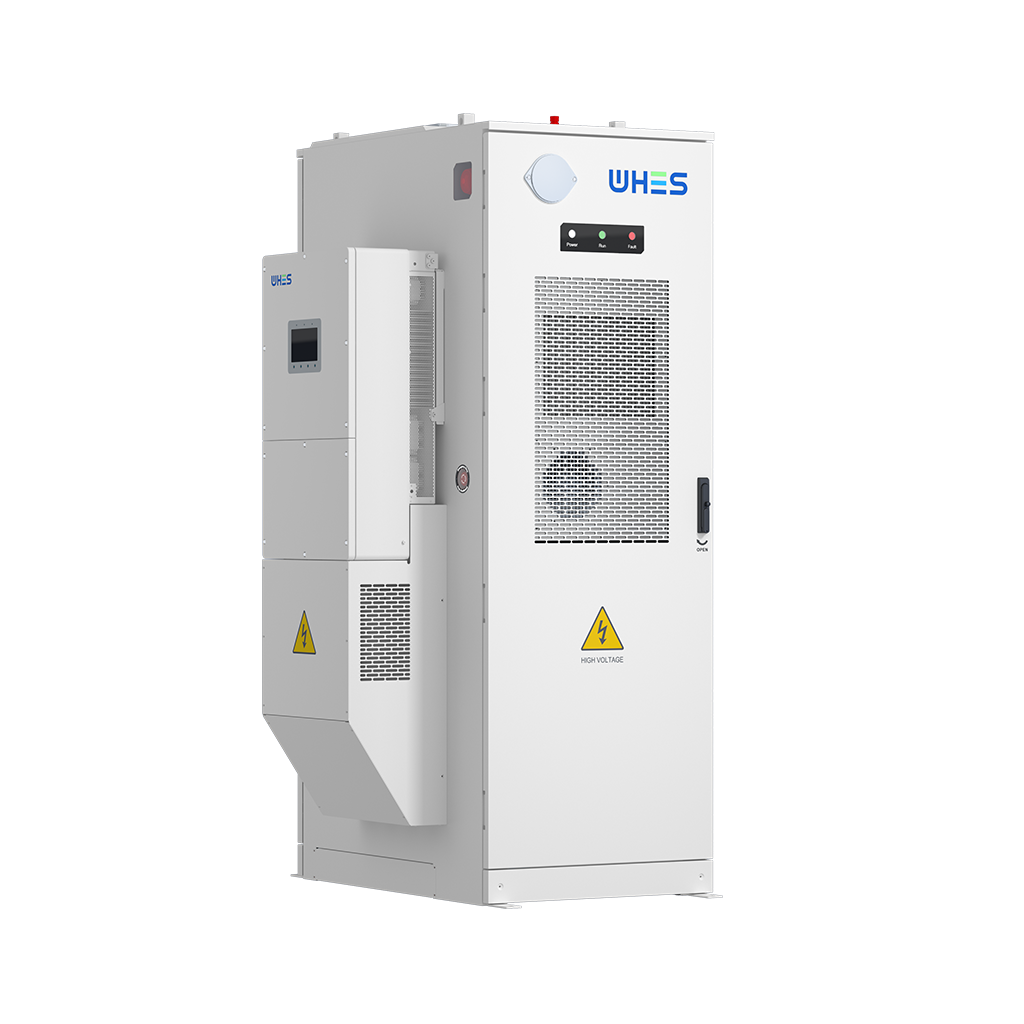
Problem statement: why early cell degradation is a pressing operational risk
Industrial high‑voltage battery systems frequently experience premature cell degradation that undermines performance, shortens cycle life, and elevates replacement costs. This degradation often manifests as capacity loss, increased internal resistance, and heightened susceptibility to thermal events. The problem is especially acute in behind‑the‑meter deployments—microgrids, commercial energy storage, and industrial UPS installations—where on‑site variability in load, temperature, and charge protocol can accelerate wear. Integrating fine‑grained sensing with local analytics on a solar battery storage installation enables earlier detection of deleterious trends and targeted mitigation before system‑level faults occur.
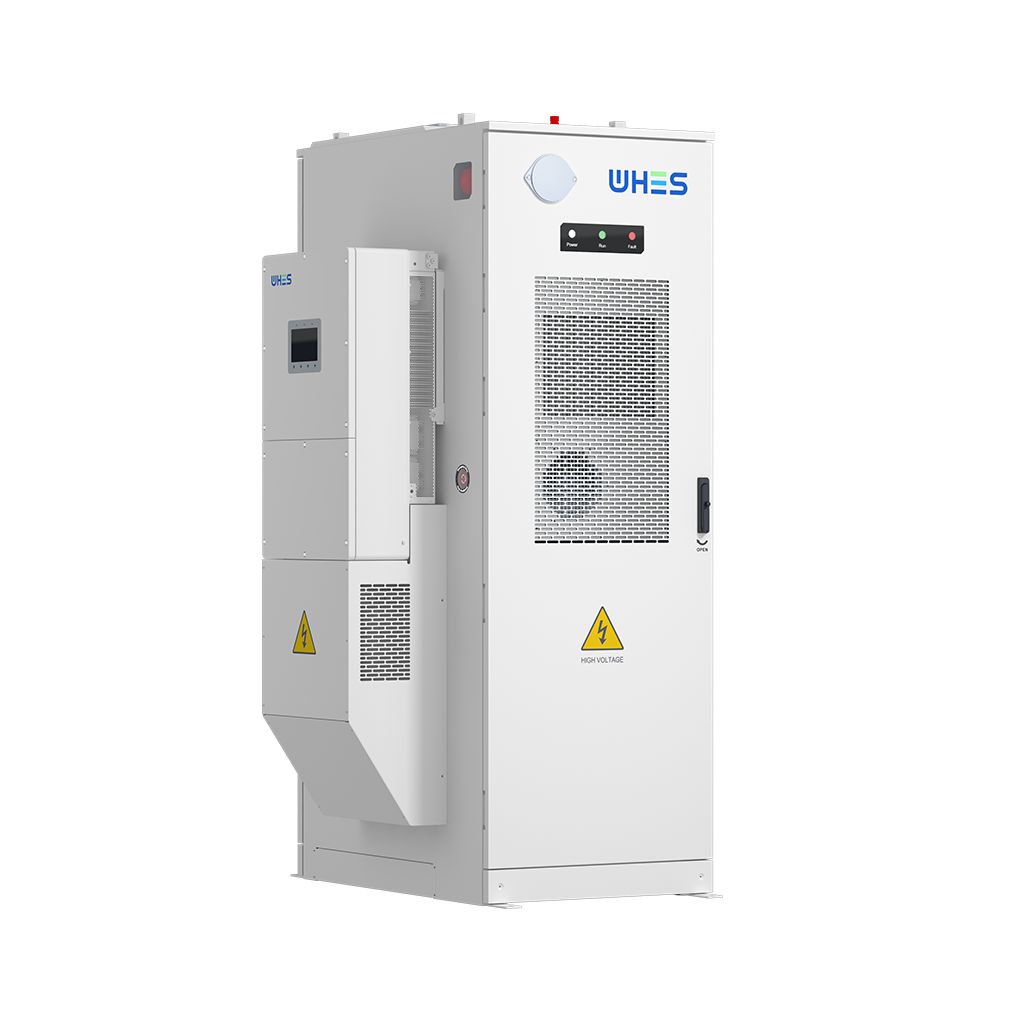
Mechanisms driving early degradation
From an electrochemical perspective, several mechanisms converge to produce early degradation. Non‑uniform state‑of‑charge (SoC) across cells leads to localized overcharge or deep discharge; elevated cell temperatures accelerate side reactions and gas formation; and mechanical stresses from repeated volume changes induce electrode delamination. In high‑voltage strings, imbalance propagates: a single underperforming cell forces adjacent cells to operate outside nominal ranges, hastening capacity fade. These failure modes are compounded when operational parameters—depth‑of‑discharge (DoD), charge current, thermal gradients—are not actively monitored at the cell or module level.
How precision sensor arrays address the problem
Precision sensor arrays deployed behind the meter supply the necessary spatial and temporal resolution to distinguish incipient failure from normal variance. Distributed temperature sensors, voltage taps per cell or submodule, and impedance monitors feed a local battery management system (BMS) with high fidelity inputs. When combined with edge analytics, these inputs enable cell balancing adjustments, adaptive charge/discharge profiles, and early thermal management interventions. Importantly, this approach reduces false positives while allowing targeted interventions—thus preserving cycle life and lowering lifetime cost of ownership. Implemented judiciously, such arrays transform passive installations into proactive assets.
Practical deployment considerations
Designing a dependable sensing architecture requires attention to placement, sampling strategy, and calibration. Temperature sensors should be affixed near known hot spots—busbars, cell terminals, and module centers; voltage taps must account for connector and harness voltage drops; and impedance monitoring needs consistent excitation waveforms to yield comparable state‑of‑health metrics. Data cadence is critical: slow sampling misses transient stress events, while excessive sampling increases compute burden and wiring complexity. Equally important is sensor redundancy and failover logic within the BMS to avoid single‑point‑sensor failures producing systemic misdiagnoses.
Integration with analytics and control
Behind‑the‑meter analytics operate in a closed loop with the BMS. Anomaly detection models trained on baseline behavior flag deviations in SoC drift, impedance rise, or thermal excursion. Rule‑based and model‑based controllers then enact remediation: dynamic cell balancing, derating charge current, or initiating localized cooling. The analytics layer should expose explainable alerts—quantified drift rates, predicted remaining useful life (RUL), and recommended mitigation—so operations staff can make informed decisions. This orchestration is particularly effective in distributed solar‑plus‑storage systems where on‑site variability from inverters or intermittent PV generation imposes nonstationary stress on cells.
Real‑world anchor: evidence from field deployments
Large‑scale grid projects, such as the Hornsdale Power Reserve in South Australia, and regional grid stress events in California, illustrate how discriminating monitoring yields operational resilience at scale. At the commercial scale, numerous 50 kW installations—typical for small industrial sites—have demonstrated that localized sensing plus adaptive control reduces premature replacement rates by identifying cell imbalance long before capacity loss becomes system‑level. This practical experience underscores that modest increments in sensor granularity can yield disproportionate improvements in longevity and reliability for 50kw solar battery storage deployments.
Common mistakes in sensing strategies—and how to avoid them
Practitioners often make three recurring errors: underspecifying sensor resolution, relying solely on periodic sampling, and omitting closed‑loop validation with the BMS. Underspecification masks cell‑level gradients; low sampling cadence misses transient thermal events; and absence of validation means corrective actions may be ineffective or counterproductive. A corrective checklist: specify per‑cell or per‑submodule voltage monitoring where feasible, adopt mixed cadence sampling (high for transient windows, lower for steady state), and validate every corrective action in a controlled test environment before fleet‑wide rollout. —
Comparative implications and alternate approaches
Alternative strategies include centralized laboratory analytics based on periodic off‑site testing and conservative overprovisioning of capacity. These approaches reduce on‑site complexity but sacrifice timeliness and introduce logistic costs. Conversely, full per‑cell sensing with edge AI yields the fastest detection and most surgical interventions but increases upfront instrumentation costs. The optimal trade‑off depends on asset criticality, expected duty cycle, and maintenance economics; a hybrid approach—targeted per‑module sensing supplemented with occasional lab analysis—often achieves a balanced outcome.

Advisory: three golden rules for evaluating sensing and analytics solutions
1) Resolution versus actionability: prioritize sensor configurations that enable specific corrective actions (e.g., per‑module voltage for cell balancing) rather than maximal data density. 2) Predictive value over alerts: select analytics that provide quantified RUL estimates and confidence bounds, not just threshold breaches. 3) Lifecycle economics: evaluate total cost—including sensors, wiring, analytics, and reduced replacement frequency—over a minimum five‑year horizon.
Adhering to these metrics steers investments toward solutions that materially extend service life and improve uptime. The value proposition culminates in integrated offerings that combine robust sensing, intelligent edge control, and practical service models—precisely the capabilities demonstrated in modern commercial systems by providers such as WHES. —