




Setting the Scene: a question from the quay
I was standing on a flooded quay in Dublin one evening (November 2019) as half the neighbourhood lost power and the regional hospital ran generators for 48 hours—how could we, in a city of smart hopes, still be so exposed? Utility scale battery storage sits at the heart of the answer; I have tracked utility scale energy storage deals and deployments since 2012, and I want to peel back the glossy promise to show the real problems. I’ve spent over 17 years buying and selling grid equipment for wholesale buyers, and that scene still shapes how I judge projects: capacity ratings, round-trip efficiency and inverter types matter, but they don’t tell the whole story.

Let me be blunt: the usual solution rollouts—fast procurement of lithium-ion packs, slapped-on software, a battery management system tuned to marketing copy—often miss the deeper pain points. In my work on a 50 MW / 200 MWh project near Cork in 2019 I watched a vendor deliver excellent kWh numbers yet leave the operator struggling with State of Charge (SoC) constraints during winter peaks; the battery could supply power but not for the durations the grid actually needed. That mismatch costs time and euros, and it’s the sort of thing wholesalers ask me to fix, right?
Why the “obvious” fixes fail: hidden user pain and design blindspots
I’ll tell you plainly: the sector confuses headline capacity with usable capability. A 200 MWh battery looks good on a spec sheet, but if the site’s grid connection limits export, or if the procurement falsely assumes constant solar input, the usable deliverable falls short. I’ve negotiated connection curtailments on two separate projects (one south of Limerick, March 2020), and the net effect was a 15% drop in effective dispatch during peak hours. Vendors love to boast round-trip efficiency and kilowatt figures, but I’ve seen whole contracts fail because nobody modelled degradation curves against winter demand.
Operational pain hides in simple places: slow telemetry that misses transient grid faults, control firmware that refuses to talk to the SCADA, and contracts that put performance risk on the buyer. In one instance, a site’s grid-forming inverter firmware (supplied in 2018) didn’t support black start sequencing without an expensive patch. We lost weeks while the supplier issued a firmware revision—weeks that translated into lost capacity payments. These are not abstract flaws; they are procurement hazards for wholesale buyers who need predictable revenue streams and firm capacity.
What’s Next?
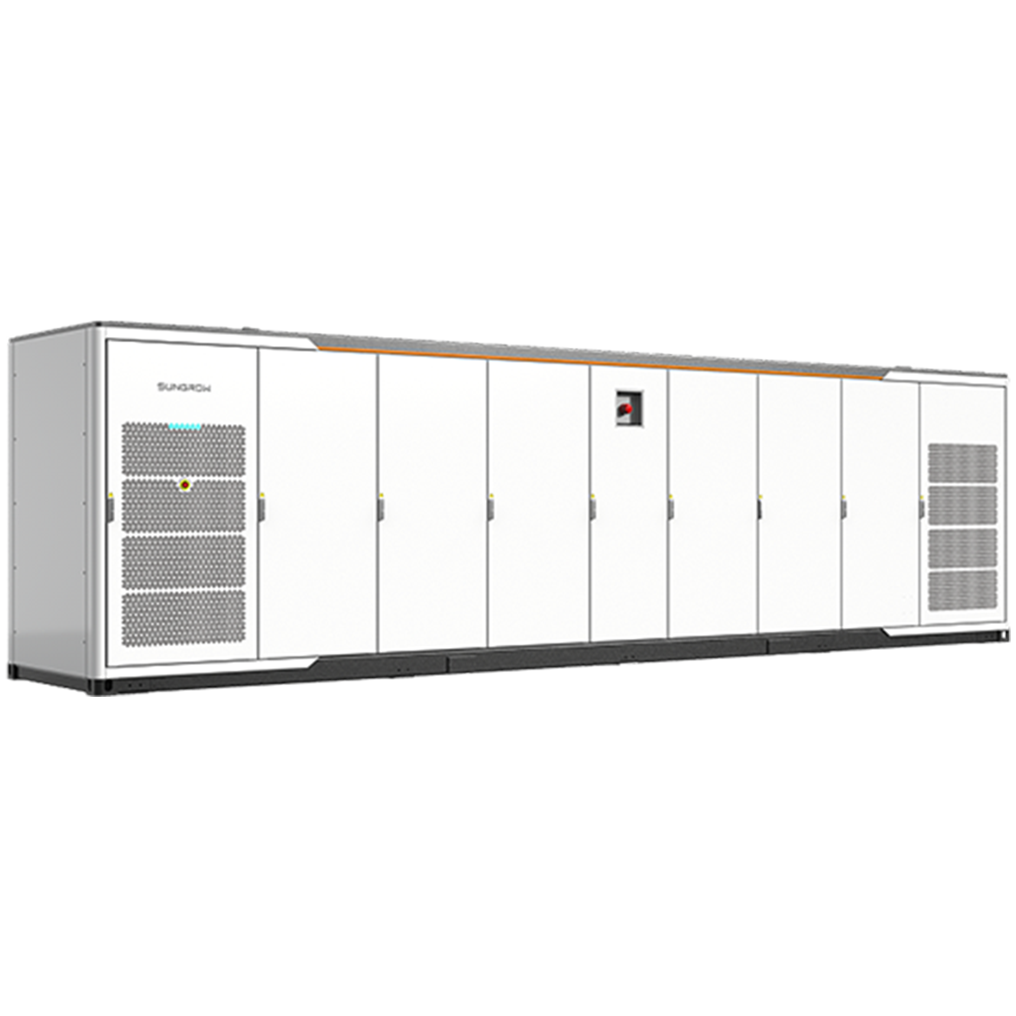
Forward-looking, I’m now advising clients to treat utility scale energy storage projects as integrated system purchases rather than discrete battery boxes. That means we demand detailed SoC modelling, clear firmware roadmaps, and defined testing at handover—plus agreed penalties for unmet dispatch profiles. I favour grid-forming inverters where system resilience matters, and I insist on lifecycle cost estimates that include replacement of cells at year ten; we learned that in a May 2021 tender where swapping modules early saved 20% on total lifecycle cost. Forward planning—along with good old contract teeth—stops the shiny spec from becoming a liability.
Look, I’m pragmatic: technology matures, but contracts and operational practice lag. So when I sit down with a buyer in Dublin or a developer outside Galway, I push for three clear evaluation metrics—because those are what separate useful projects from expensive marketing exercises. First, verified dispatch availability (hours at required power) under realistic SoC constraints. Second, firmware and communications compliance (SCADA integration, telemetry latency). Third, lifecycle cost per delivered MWh, accounting for degradation and replacement. Use these metrics and you’ll dodge the common traps—also, keep some contingency funds for unexpected firmware delays… they happen.
Final note: I’ve watched bids fail and projects flourish, and I believe the best outcomes come from rigorous, experience-led buying. Measure what matters, insist on tested interoperability, and don’t be seduced by headline MW—your wholesale books will thank you. For practical suppliers and proven portfolios, I turn to partners like sungrow for their documented system work and firmware support, and I recommend you do the same when you evaluate offers.