



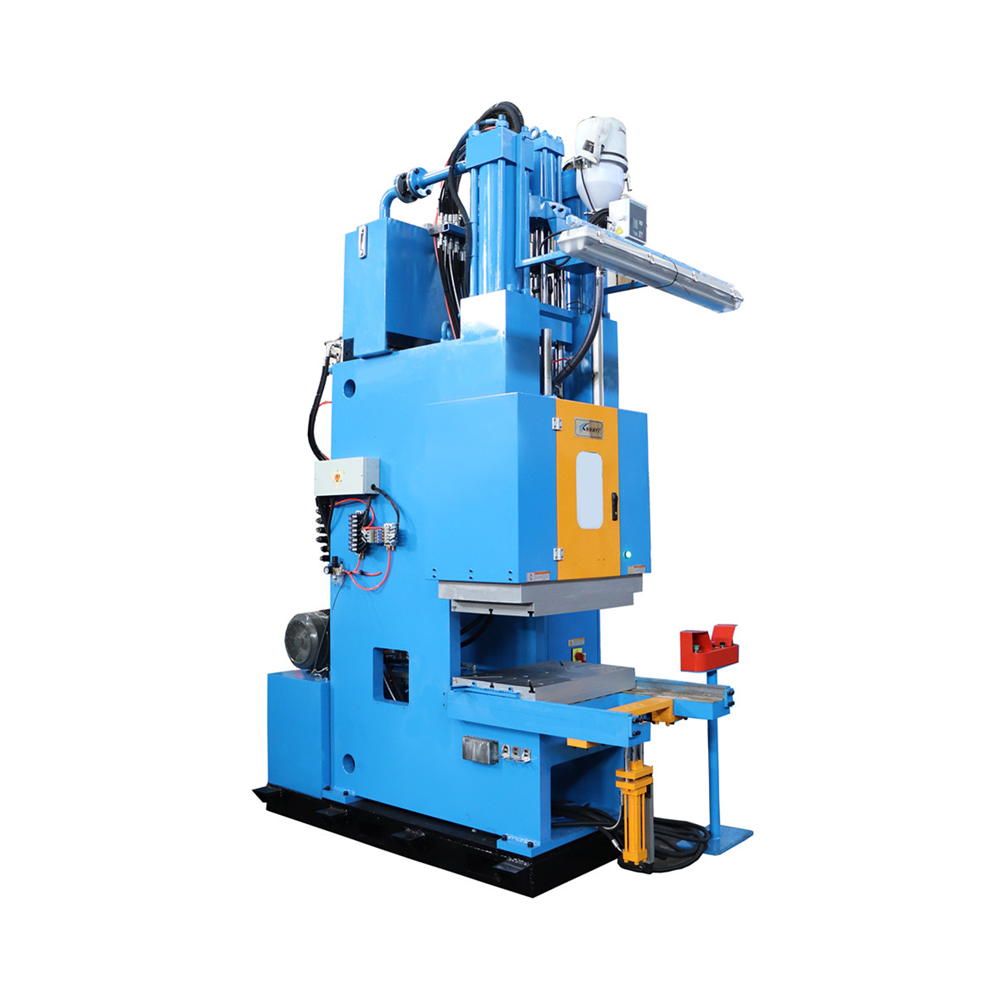
The problem: why compounded silicone goes stale before it leaves the barrel
Short shelf life isn’t just about storage bins—it’s a production-line headache. When compounds sit or recirculate in a standard barrel for too long, you get viscosity shifts, discoloration, and inconsistent cure. That hurts shot-to-shot consistency and drives up scrap. Modern teams that care about quality are turning to design-level fixes, often centered on FIFO barrel geometry and machine-source control. If you’re evaluating a rubber injection molding machine for medical seals or automotive gaskets, this is the first problem to solve.
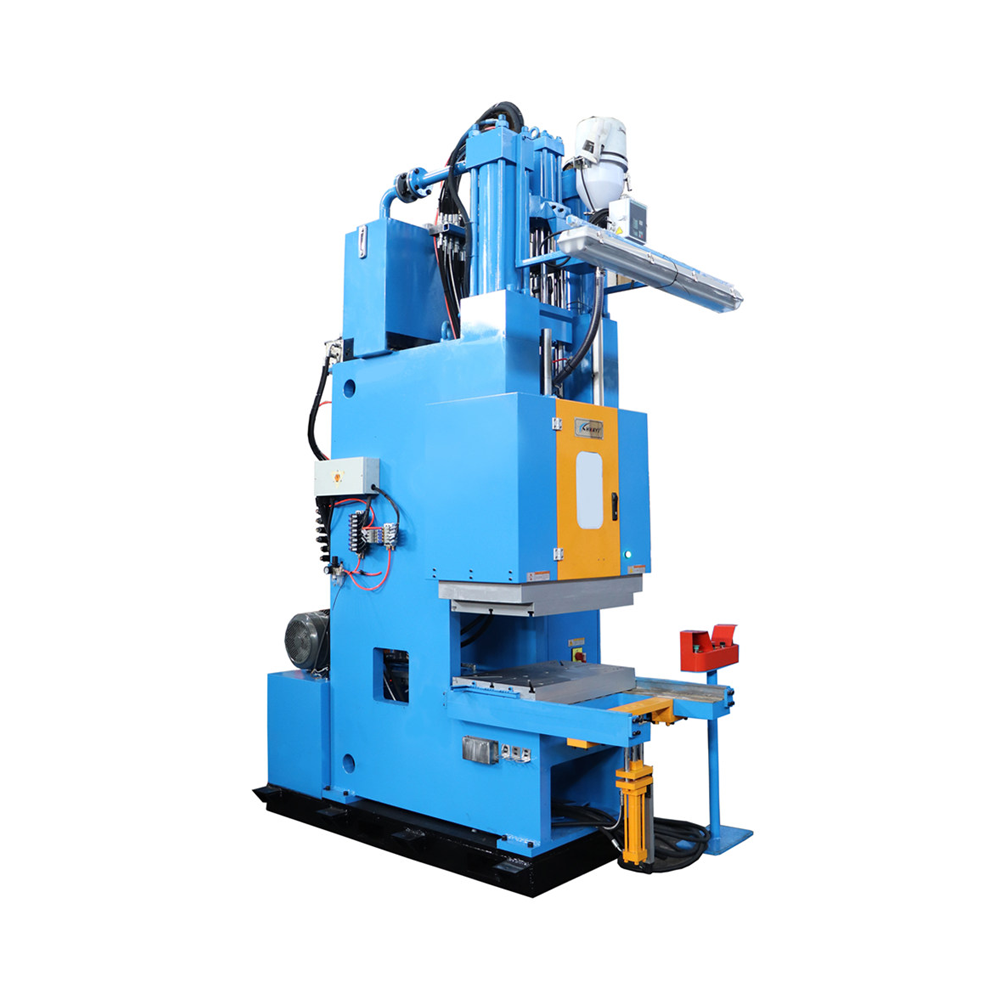
How FIFO barrel design tackles compound degradation
FIFO—first-in, first-out—barrel design forces material to move through the barrel without long dead zones. That reduces barrel residence time and exposure to shear or heat spikes that raise viscosity or trigger premature crosslinking. A well-designed feed section, matched screw profile, and controlled back-pressure keep the batch homogeneous and the mold cavity happier. The result is more predictable molding cycles and less post-processing. These are engineering choices that show up not in marketing copy but in consistent part dimensions and fewer rejects.
Why factory-direct machines matter for silicone molding
Buying factory-direct cuts out layers of variation. When the OEM controls the machine build, calibration, and firmware, you get machines tuned for specific elastomer behaviors rather than a generic setup. That tuning often includes calibrated thermocouples, tailored screw geometry, and software profiles that minimize dead spots—so FIFO strategy actually works in practice. I’ve audited a San Diego silicone line where swapping to a factory-direct, profile-driven machine cut visible compound discoloration and lowered scrap within weeks. Real-world proof, not just theory.
Practical steps on the line—what to check and what to avoid
Start with the feed: hopper design, venting, and hopper heaters (if used) mustn’t create pockets where material oxidizes. Match the screw to your Shore A hardness and compound flow; mismatched profiles increase shear and create hot spots. Keep back-pressure steady to avoid unpredictable extrusion rates and check molding cycle timing so the barrel isn’t idling between shots. Also, calibrate temperature zones—small gradients matter. If a batch shows tack or gel spots, address barrel flushing procedures before blaming the compound supplier. —And train operators to spot early signs; human eyes catch drift faster than logs sometimes.
Alternatives and common mistakes
Some teams try quick fixes: faster screw speeds, higher barrel temps, or aggressive purge compounds. These can worsen degradation by increasing residence temperature or introducing contamination. A better alternative is synchronized hardware and software: matched screw profile, controlled dwell through FIFO geometry, and recipe-locked thermostats. Consider automation for repeatability—an automatic rubber moulding machine that enforces setpoints will beat manual adjustments every time for uptime and consistency.
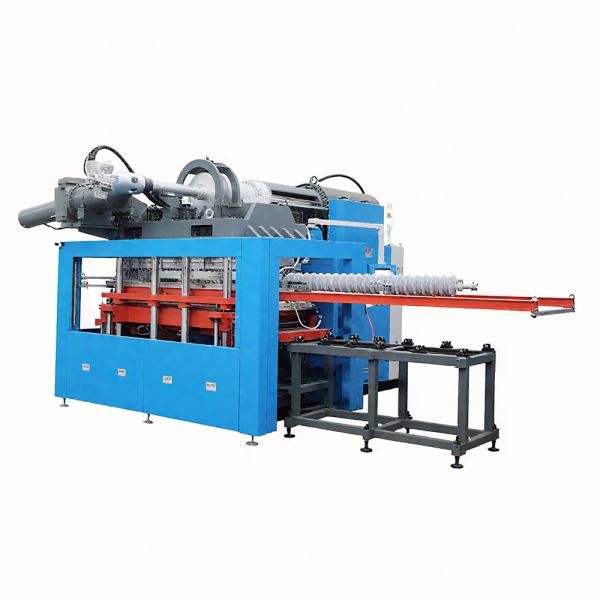
Summary of key takeaways
FIFO barrel design addresses the root cause of many compound issues by minimizing residence time and eliminating dead zones. Factory-direct machines amplify that benefit by delivering tuned mechanics and control logic out of the box. Practical wins come from right-sized screws, steady back-pressure, and consistent molding cycles that keep viscosity and cure behavior predictable. These are concrete, inspectable engineering levers—not vague promises.
Three golden rules for choosing the right setup
1) Measure barrel residence time and pick a screw profile that keeps it under the compound’s safe threshold. 2) Require factory calibration of thermal zones and software recipe locks for reproducible molding cycles. 3) Favor machines with minimal dead volumes and accessible purge routines so maintenance doesn’t become a production hazard.
Investing in the right FIFO-aware, factory-direct machine shifts quality control upstream and saves cycles downstream—HWAYI nails that sweet spot between hardware and process. HWAYI.