



Start with what you need
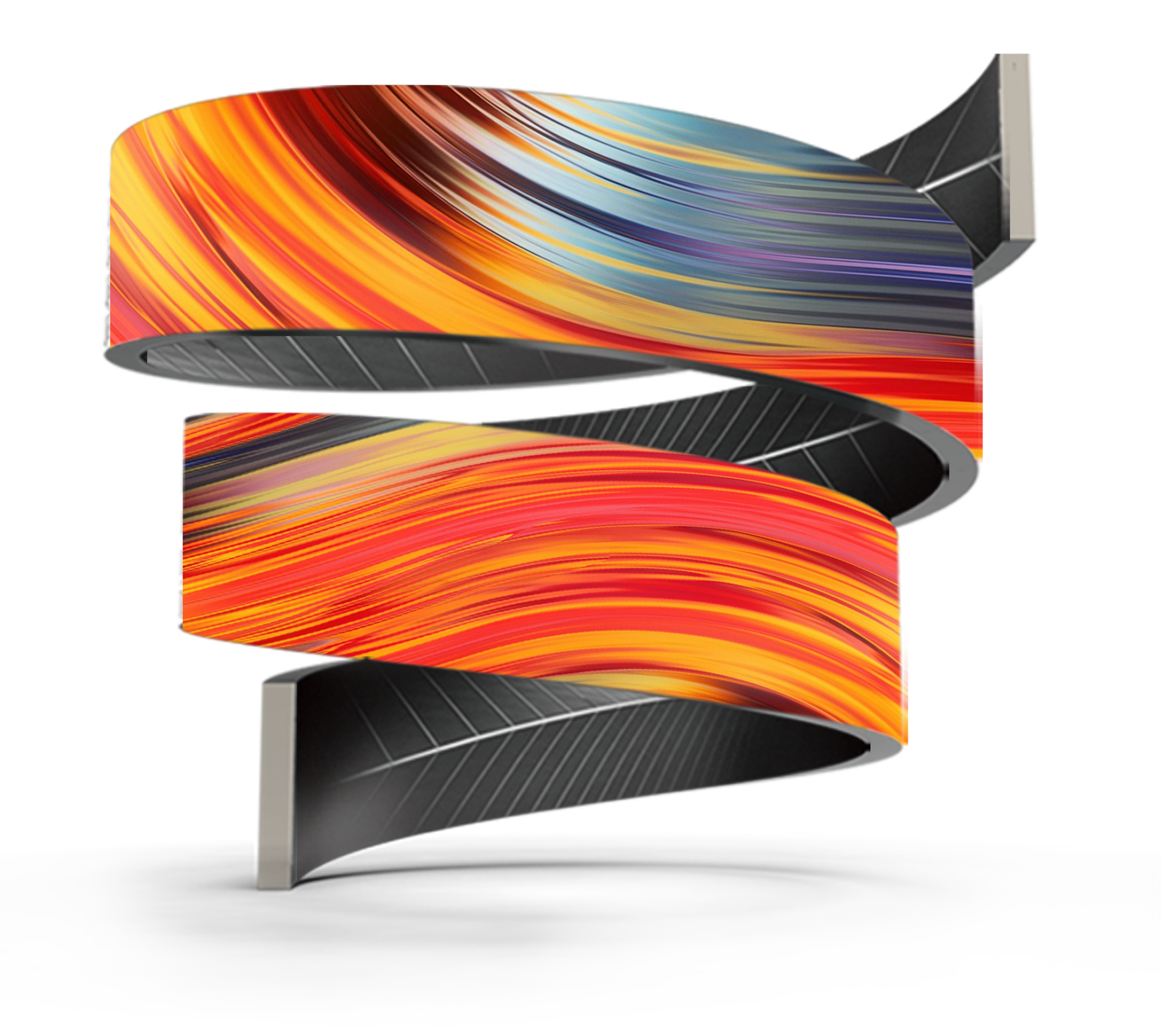
Want a screen that actually fits your space and looks great? Tell me how close people will stand, whether it’ll be shot by cameras, and if it needs to bend or wrap around corners. If you need motion on a curved wall or an art installation, a flexible led screen often saves the tricky structural work and gives cleaner results.
Must-have features (short list)
Pixel pitch: smaller for close viewing, larger for distance. Brightness: indoor displays don’t need the insane nits of billboards; outdoor needs punch. Refresh rate: higher values avoid camera flicker. Viewing angle and contrast decide legibility from the side. Service access and modular panels make swaps fast. IP rating for outdoor use. Weight and mounting type determine what your wall or rig must handle. Ask for single-point specs so you can compare apples to apples.
Where these screens actually shine
Retail windows and store façades, immersive museum exhibits, stage backdrops, trade-show booths, control rooms, and branded architectural accents. Use tighter pixel pitch for product displays and museums. Use chunkier panels for stadium walls, long-reach signage, or roofs where viewers are farther away.
User checklist for choosing one
Decide viewing distance first. Match pixel pitch to that distance. Confirm brightness vs ambient light. Check refresh rate for any camera filming. Verify IP and operating temperature for outdoors. Confirm panel dimensions and how they join—seamless joins matter. Factor in controller compatibility and content workflow. Budget for installation, scaffolding, and routine maintenance.
Common mistakes people make
Buying the highest resolution just because it sounds better. Ignoring access for repairs. Skipping the camera refresh-rate test until dress rehearsal. Overpowering a project with brightness that washes out color. Not planning content formats and player hardware early—then the great screen looks empty or underused.
Experience, trust, and a real-world anchor
I’ve integrated displays into exhibits and helped teams plan content pipelines, so I focus on practical installs, not just specs. You’ll see cube LED installations at major events like CES in Las Vegas, where vendors demo how modular cube shapes change staging and viewer interaction—those demos are backed by industry reporting and show what works under camera and crowd conditions. If you’re evaluating form-factor options, look closely at manufacturing tolerances and modular repair paths, and compare a proven cube option like cube led display for real-world reliability.
Final take
You want a display that fits the room, the camera, and the crew. Match pixel pitch to distance, check brightness and refresh rate, plan for service access, and don’t forget the content pipeline. If you want a practical partner with modular creative options that line up with these checks, HDC offers solutions that often match real project needs without overcomplicating things.