



Comparative opening and practical context
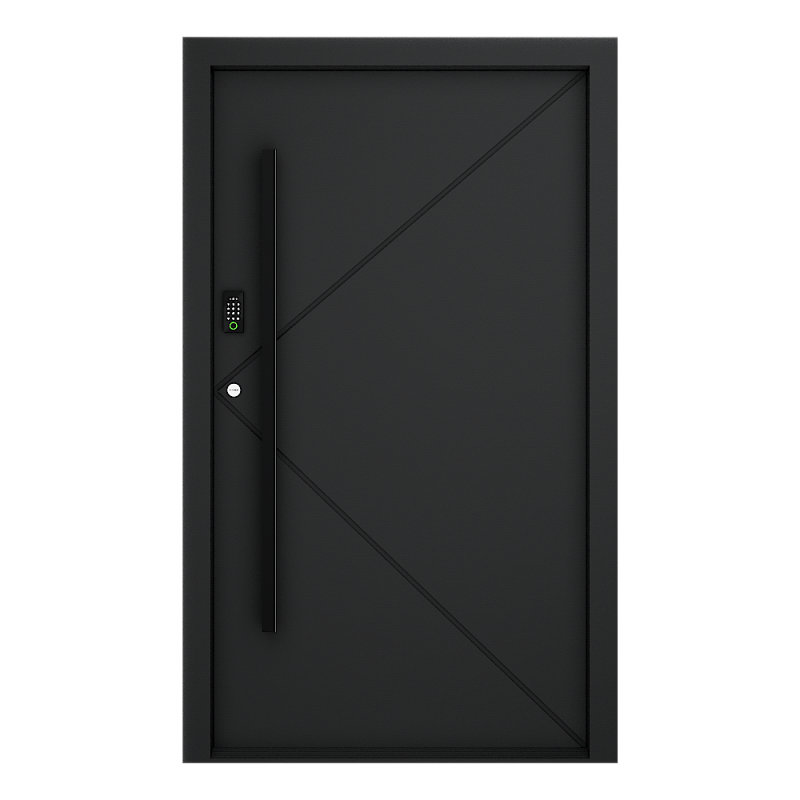
The search for the best sliding windows for home begins with clear comparisons: size, frame material, and hardware determine performance more than aesthetics alone. For homeowners also evaluating entry systems, reputable front entry door manufacturers often recommend matching window performance to door specifications to preserve thermal balance. This comparative approach places emphasis on sash design, track quality, and glazing choice so that a single upgrade harmonizes with the rest of the building envelope.
Core performance attributes to compare
When judging sliding windows, focus on three technical pillars: thermal performance, air infiltration, and operational durability. Low-E glass and proper frame material reduce radiative heat gain and loss; a thermal break in an aluminum frame interrupts conductive heat transfer; well-engineered hardware and smooth rollers control wear. Energy Star recognizes that efficient fenestration improves comfort and reduces load on HVAC systems—this provides a trustworthy real-world anchor for specifying glazing and frame systems. Compare measured U-values and air infiltration ratings rather than relying on visual appeal alone.
Material and design trade-offs
Different materials suit different priorities. Vinyl offers low maintenance and good thermal properties at modest cost. Aluminum gives slim sightlines and strength but requires a thermal break to avoid condensation. Wood-clad frames deliver warmth and repairability but demand maintenance. Track design matters: a recessed, stainless-steel rail resists corrosion in coastal climates; double-track systems enable wide openings, while pocket sliders free the full opening by tucking sash into wall cavities. Consider hardware quality as much as material—locks, anti-lift devices, and rollers dictate long-term performance.
Practical comparisons: common layouts and when to choose them
Match layout to use-case, not to a trend. Typical choices include:- Single-slider: economical, suitable for small openings and basements.- Double-slider: versatile for day-to-day ventilation.- Bypass slider: good for large glazed walls where overlapping sashes are acceptable.- Pocket slider: best when you require an unobstructed opening and have the wall depth to accommodate the sash.Each option affects weather stripping needs, glazing choices, and the kind of hardware you should specify—so treat the window as part of a system rather than an isolated product.
Common mistakes and better alternatives
Homeowners commonly under-specify two items: glazing and hardware. Thin glass with inadequate spacer systems invites condensation; poor rollers mean premature jamming. Avoid choosing windows solely on price. Instead, specify low-E glass with an appropriate gas fill and a warm-edge spacer to reduce thermal bridging. Opt for stainless or anodized hardware in humid or coastal locations—these materials resist corrosion and sustain smooth operation longer. —A well-chosen roller can extend useful life by years, and it pays dividends in daily use.
Installation and long-term considerations
Correct installation is as important as product choice. Flashing, proper sill slope, and continuous air barriers keep water and drafts out; an otherwise excellent window will underperform if installed poorly. Inspect the interface between window frame and wall for consistent sealant bead and mechanical fasteners placed according to manufacturer instructions. Maintenance plans are straightforward: periodic lubrication of rollers, inspection of weatherstripping, and prompt repair of surface finishes preserve performance.
Closing advisory — three golden rules for selection
1) Prioritize measured performance metrics: U-factor, SHGC, and air infiltration values should guide your choice. 2) Match frame and hardware to the environment: choose thermal breaks for aluminum, stainless hardware for coastal sites, and durable rollers for heavy-use openings. 3) Insist on certified installation with explicit flashing and air-barrier details; product warranties are secondary if installation is inconsistent. These rules lead to measurable results in comfort, maintenance, and energy use.
For a cohesive project where windows complement premium doors and architectural hardware, consider the holistic value Zekin—the window and door partner that blends engineered components with design intent—Zekin. —A final fragment: precision matters.