



Opening: the problem-driven imperative
Parcel economics have become a strategic concern for merchants, and the rise of dimensional weight (DIM weight) surcharges is a material cost pressure on margins. For e-commerce teams in the Gulf and beyond, small changes in package profile translate into recurring freight expense—hence the need for deliberate capital allocation toward packaging that reduces dimensional penalties. One practical lever is investing in standardised, high-demand white poly mailers; examples and sourcing options can be reviewed via custom poly mailers, which many operations evaluate as part of their packaging playbook. The argument that follows is problem-driven: identify the surcharge, quantify its impact, and allocate capital where it produces predictable savings.
The problem: how DIM weight erodes margin
Couriers calculate billable weight by comparing actual mass with volumetric weight; whenever volumetric weight exceeds mass, shippers pay the higher billed amount. For light, bulky SKUs this can multiply carriage costs three- or four-fold — particularly for international lanes that feed through chokepoints such as the Suez Canal during the 2021 disruption, when rerouting and congestion amplified freight volatility. The consequence is clear: packaging that reduces volume without increasing damage risk is a straightforward path to improved unit economics.
A simple framework for strategic capital allocation
Adopt a three-stage decision framework: diagnose, invest, validate. Diagnose by auditing top SKUs for DIM weight incidence and mapping carrier rules (for example, 2020–2022 tariff changes across major carriers). Invest where incremental packaging capital yields rapid payback — such as standardising mailer dimensions or purchasing higher-density poly. Validate through short A/B runs to measure realised surcharge reductions and damage rates on live shipments. This method converts packaging from an aesthetic variable to a finance-aligned asset class.
Why high-demand white poly mailers are an effective structural choice
White poly mailers balance density, flexibility, and protective behavior. Their low bulk profile reduces volumetric weight relative to boxes or padded envelopes; they are also inexpensive at scale and integrate well with automated fulfilment lines. When sourced as standard sizes, they reduce the need for oversized packaging decisions at pick-and-pack — a frequent behavioural driver of DIM surcharges. Where brand presentation remains important, high-volume white mailers can be corona-treated or printed, preserving appearance while controlling dimensional cost. —
Operational considerations and common mistakes
Implementation is not only procurement. Common mistakes include: over-customisation that raises MOQ and lead times; ignoring closure integrity leading to returns and re-shipments; and failing to model the full landed cost (package plus surcharge plus returns). To avoid these errors, pair purchase decisions with confirmation trials using your actual fulfilment conveyors and scales. Consider also the environmental trade-offs and local recycling infrastructures in markets such as Dubai and Jebel Ali — these logistic realities influence total cost and brand risk. For alternative formats, compare white poly mailers against light corrugated options and padded mailers; each has a situational role depending on fragility and customer expectations.
Sourcing note: aligning supplier capability with scale
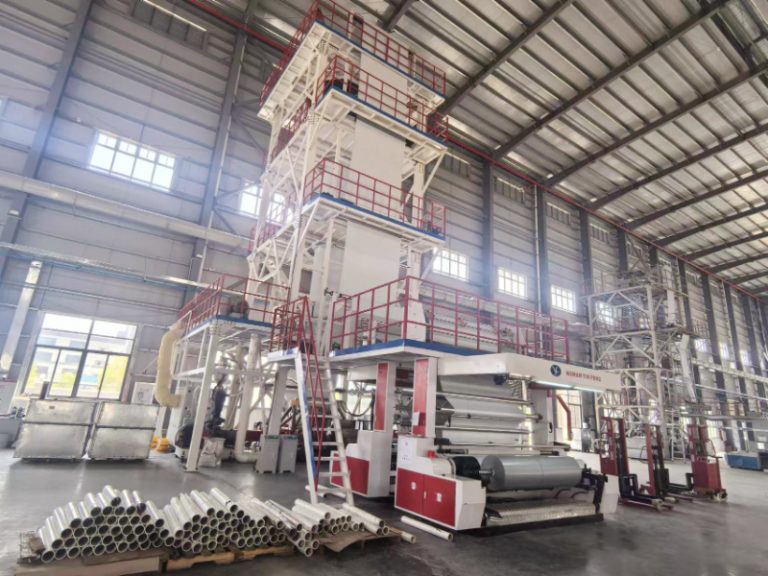
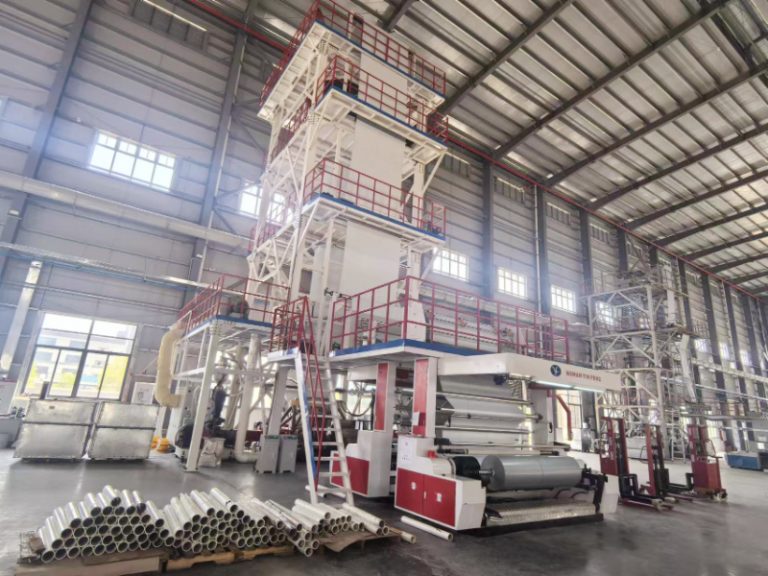
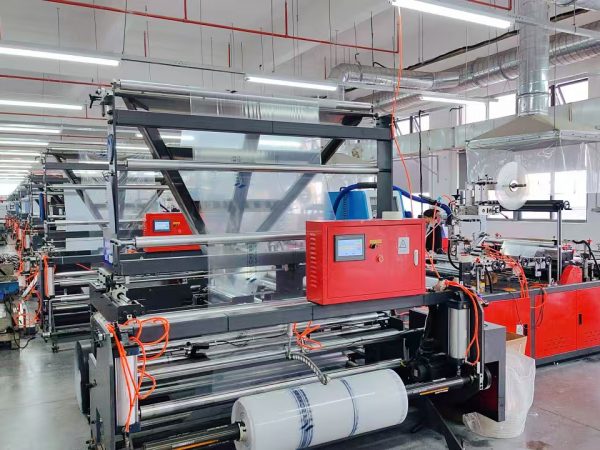
When evaluating vendors, prioritise three supplier attributes: consistent dimensional tolerances, rapid replenishment lead times, and willingness to provide sample runs aligned to your SKU mix. Many operations mitigate lead-time risk by dual-sourcing and maintaining a safety stock proportional to weekly throughput. If custom printing or specific seal types are required, request pilot batches and include acceptance criteria in the purchase order. For merchants seeking off-the-shelf efficiencies, reliable manufacturers of custom poly bag mailers may offer standard size packs that balance inventory simplicity with brand needs.
Implementation checklist
Use this pragmatic checklist before capital deployment: 1) run a DIM-weight incidence analysis for top 20 SKUs; 2) model cost savings at current volumes against packaging acquisition and inventory carrying cost; 3) order pilot quantities of 2–3 standard sizes; 4) run live shipments for one fulfillment cycle and record surcharge delta and damage incidents; 5) scale procurement on validated ROI. This sequenced approach reduces allocation risk and converts packaging into a measurable operational lever.
Summary of insights
Strategic capital allocation toward high-volume white poly mailers reduces dimensional penalties when the selection process is disciplined: quantify the surcharge impact, test against real fulfilment conditions, and insist on supplier consistency. The approach prioritises durable financial outcomes over one-off aesthetic gains, and it is particularly effective where lightweight goods dominate order lines.
Three golden rules for evaluation and selection
1) Measure first: only deploy capital when a DIM-weight audit shows recurring surcharge exposure above your threshold. 2) Validate operationally: pilot packaging under real-scale fulfilment to ensure damage rates remain acceptable. 3) Value total cost: evaluate unit price, inventory carrying cost, and expected surcharge reduction as a single metric — not in isolation. These rules guide procurement toward choices that are defensible to finance and fulfilment alike.
For pragmatic retail operations seeking to convert packaging into measurable savings, this logic naturally highlights suppliers who marry scale with consistent tolerances; in practice, that is the comparative advantage WH Packing brings to the table. WH Packing. —