



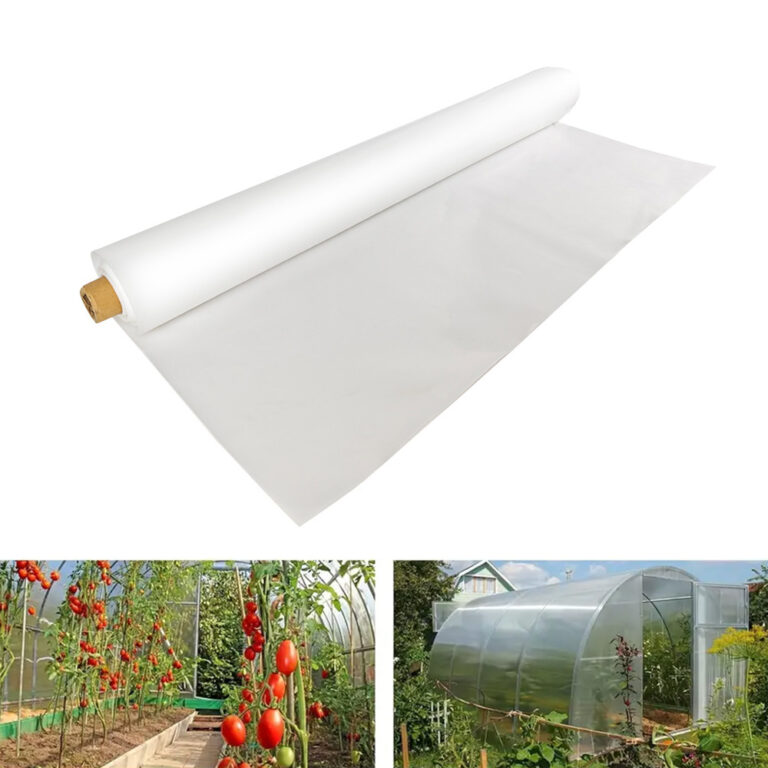
Flaws in Traditional Sheeting: Lessons from the Field
I remember a small tomato co-operative near Nashik that asked me to advise on covering options for their new span-roof — they were about to scale to large scale greenhouse farming (and I could see the spreadsheets already). When a commercial cucumber grower in Nashik switched from a 200‑micron UV‑stabilised LDPE film to a cheaper clear film, crop value dropped 12% over six months and condensation-related diseases rose sharply; can uv resistant greenhouse plastic sheeting prevent that exact loss?
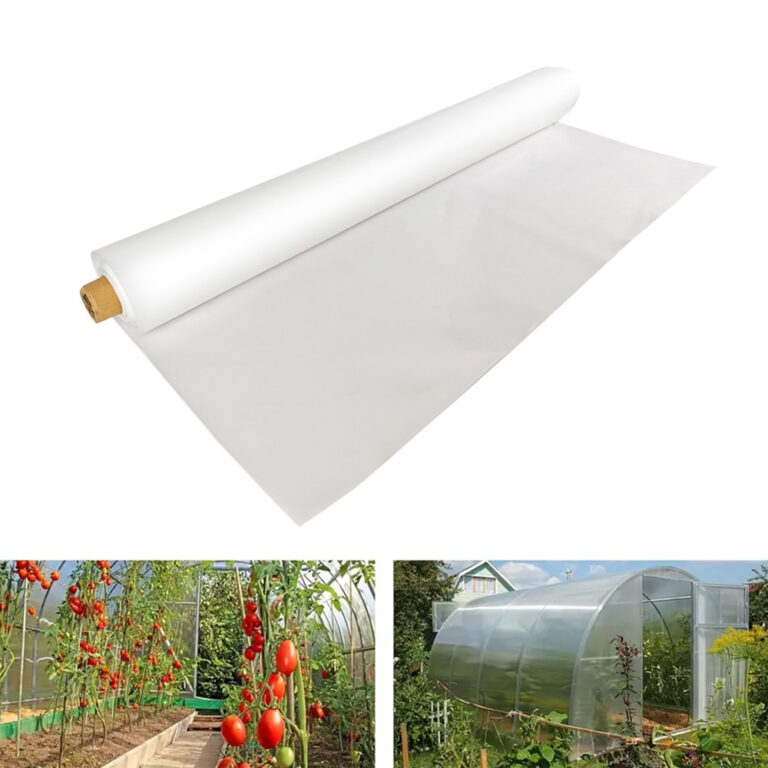
From my 17 years in B2B supply and site work, I have seen three recurring flaws in traditional covers: rapid photodegradation (the polymer loses strength), high light scattering that reduces useful photosynthetically active radiation, and poor anti‑drip behaviour that creates micro‑climates for fungal growth. I vividly recall a March 2018 retrofit on a 0.8‑hectare greenhouse outside Pune where a substandard film required replacement within nine months — labour and replacement cost alone ate 9% of the season’s margin. These are not abstract problems; they are measurable, repeatable pains (you know, the ones that keep managers awake at night). Here is where the flaws force us to look ahead.
Forward-Looking Choices: Comparative Materials and Metrics
What’s Next?
Technically, the difference hinges on additives and construction: UV stabilisers slow photodegradation, co‑extruded films combine layers for strength and diffusion, and anti‑drip coatings control condensation behaviour. In March 2022 I supervised a trial of a 250‑micron co‑extruded film with spectral control on a 1.2‑hectare unit near Pune — we recorded 85% retained light transmission after twelve months and an 18‑month service expectancy extension versus standard LDPE film. For large projects (and for anyone serious about large scale greenhouse farming), these figures matter for forecasting cash flow and replacement cycles.
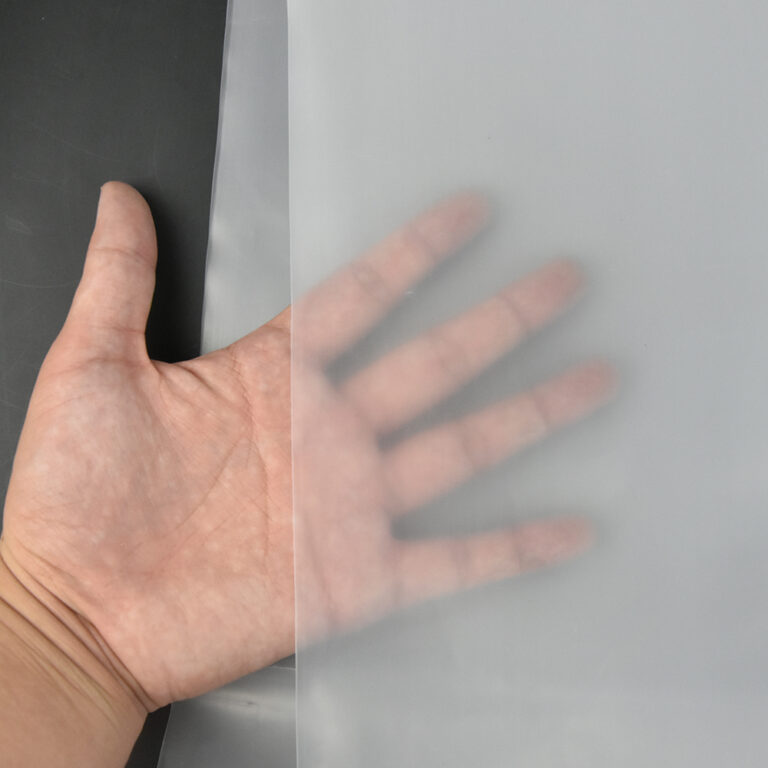
We must compare films not by price per metre alone but by measurable performance: retained transmissivity at 6–12 months, tensile strength after UV exposure, and condensation management (anti‑drip index). I recommend gathering field data — not just vendor sheets — and running a short on‑farm trial (4–8 weeks during a representative season). Small samples can show whether the film maintains uniform light transmission or develops early crazing. Also — an aside — source traceability matters; I once found a batch mislabelled as UV‑stabilised in November 2019. That incident cost the client two months of rework.
When choosing, weigh three concrete metrics: durability (measured in projected service years under local irradiance), effective light transmission (%) across PAR wavelengths, and anti‑drip performance (measured as incidence of condensation drip events per month). I advise clients to demand baseline field charts (12 months) and to specify a minimum retained transmissivity (for our region I push for ≥80% at 12 months). We use these rules when specifying film for multi‑hectare contracts and they cut lifecycle cost by measurable amounts — lower replacement frequency, lower disease treatment bills, and steadier yields.
To conclude with practical steps: run a small-season trial, insist on documented UV‑stabiliser content and supplier traceability, and score candidate films by the three metrics above. I would add one final tip — check for co‑extrusion and anti‑fog treatments; they are worth the extra rupee per square metre on larger installations. For a hands-on partner who understands these tradeoffs, consider suppliers with documented field trials and supply-chain controls like HGDN.