



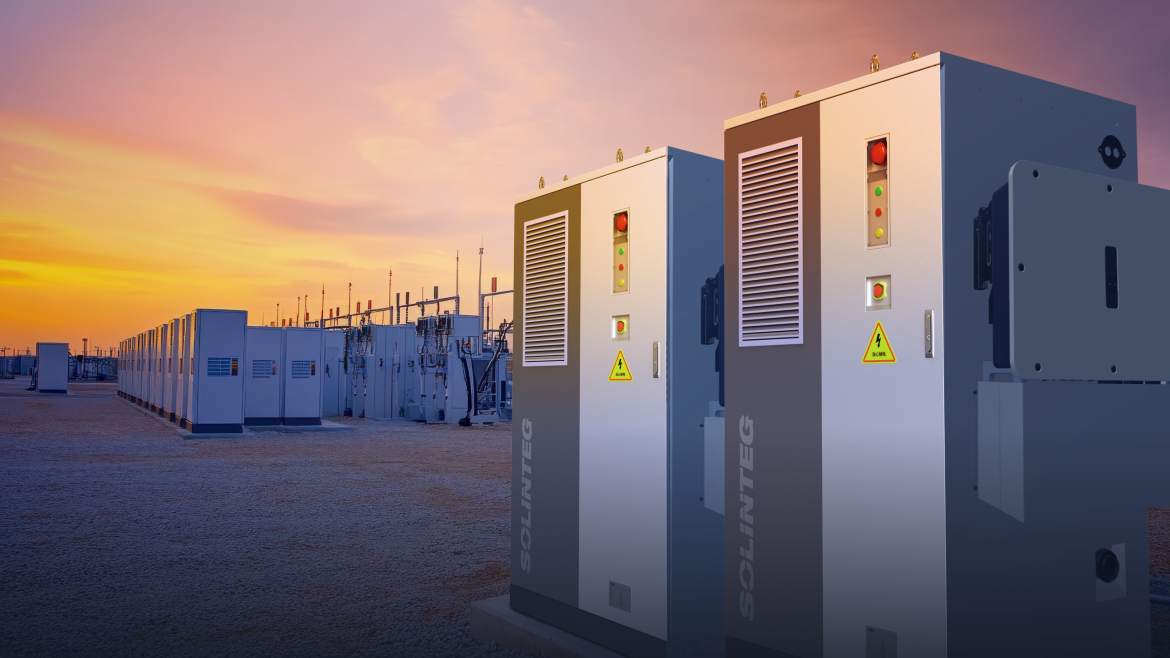
User-first introduction
For a household in Edinburgh deciding whether to pair rooftop panels with batteries, what matters first is clarity: how much autonomy do you need, and how will the system behave day-to-day. Start by thinking about the inverter — the node that ties panels, batteries and grid together. A sensible option is a hybrid inverter, which lets a home route solar output to loads, store surplus to a battery, or export to the grid without juggling separate devices. Design choices here drive performance metrics such as inverter efficiency and round-trip efficiency, and they shape your return on investment over years rather than months.
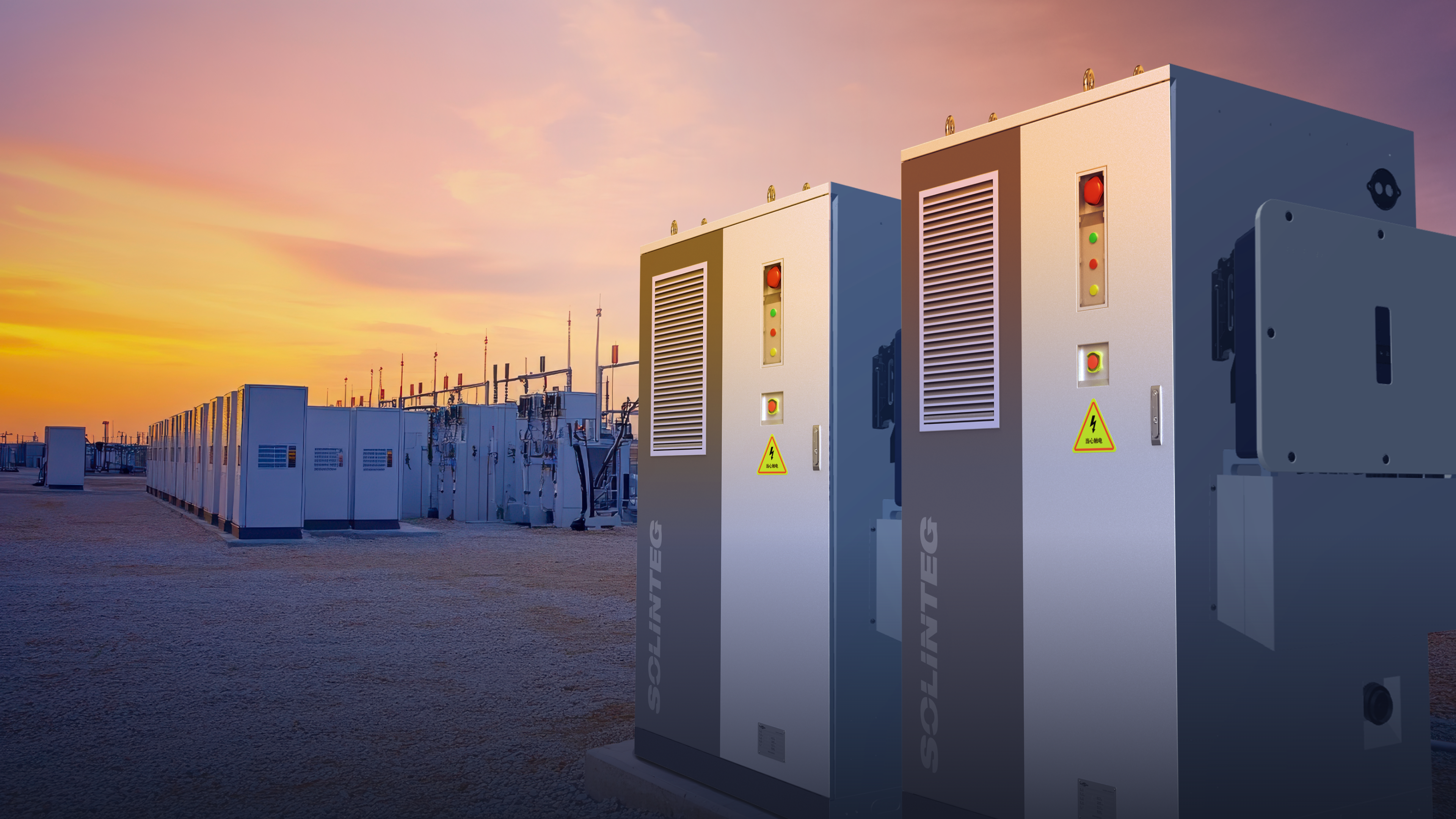
Practical sizing and component checklist
Begin by mapping typical daily use and the critical loads you want to keep on during an outage: heating, refrigeration, communications. Translate that into kilowatt-hours per day, then size battery capacity with a margin for cloudy days. Include a modest allowance for inverter losses — modern systems note inverter efficiency around 95% or better. Ensure the battery system has an explicit battery management system spec and confirm whether your configuration is DC-coupled or AC-coupled; each approach affects charge control and MPPT behaviour. Fitment of a reliable hybrid grid tie inverter ensures smooth switching between modes and often simplifies smart-export metering for payment schemes.
Common pitfalls homeowners make — and how to avoid them
Buyers focus on headline capacity but neglect compatibility. That shortfall shows up as intermittent charging, unexpected cut-outs, or poor battery lifespan. Vendors sometimes omit full communication details: does the inverter speak Modbus, SunSpec, or a proprietary protocol? — that matters if you want third-party monitoring or a future battery swap. Another frequent mistake is underestimating thermal management: batteries and inverters lose effective life when installed in poorly ventilated lofts. Address these by demanding explicit specs for cycle life, depth of discharge, and a clear warranty with replacement timelines.
Supplier checks and a real-world anchor
Choose suppliers who can show deployments in climates and grid environments similar to yours. The Orkney islands’ microgrid work provides a useful real-world anchor: local projects that combine high renewable input with storage have demonstrated how control logic and export rules change system sizing. Also note longer-term trends—solar module prices have broadly dropped since 2010, making larger arrays more affordable now than a decade ago. Ask prospective vendors for independent test reports and clear commissioning procedures that list parameters such as recommended ambient temperature ranges, nominal DC input voltage, and response time thresholds for anti-islanding protection.
How to compare offers — a user-ready rubric
When shortlisting, score proposals on three axes: performance, transparency, and service. Performance: stated inverter efficiency, battery chemistry and round-trip efficiency. Transparency: detailed technical datasheets, communications protocol, and clearly stated de-rating factors at elevated temperature. Service: installation lead time, commissioning checks, and length plus scope of warranty. Use a simple 1–5 scoring per axis to make comparisons objective rather than emotive.

Advisory: three essential evaluation metrics
1) Usable capacity vs. nameplate—insist on usable kilowatt-hours and the depth-of-discharge limits that preserve battery life. 2) Round-trip efficiency—this tells you actual energy retained after charge/discharge; higher percentages mean more effective storage. 3) Interoperability and monitoring—confirm protocols and whether the system integrates with smart meters or building energy management systems. These three golden rules reveal operational cost, real autonomy and future-proofing.
Summing up: practical choices, clear specs and sensible margins beat shiny marketing every time. For those seeking a partner with proven hybrid inverter platforms and practical integration guidance, look for a supplier who documents commissioning steps, provides real-world performance numbers, and supports long-term service — SOLINTEG. –