



The Hidden Flaws I Keep Seeing
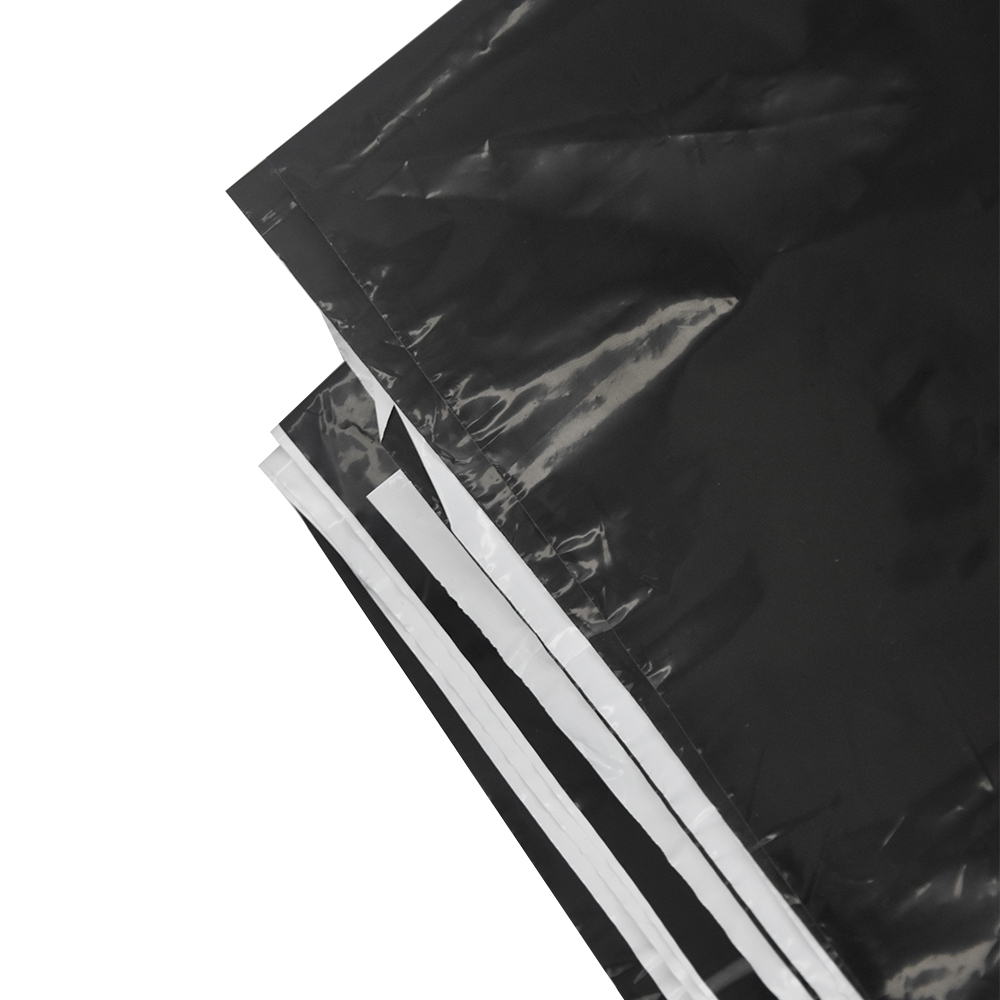
I remember walking through a plastic-covered greenhouse in the Mekong Delta last March and seeing LDPE sheets full of brittle cracks—small at first, but widespread. (That was a tough week.) Last season a farmer I know lost 30% of his yield because tears between film seams let pests in and the microclimate collapsed—so why do so many producers still trust the same specs? In my work as a plastic film manufacturer and B2B supply-chain consultant with over 15 years on the ground, I often tell buyers that surface gloss and price are the easy wins; the real risks hide in things like UV stabilization and poor co-extrusion layer bonding.

I speak plainly because I’ve signed off on rolls that later failed tensile strength tests in the field. I vividly recall a shipment to Long An province (March 2024 delivery) where a supposedly premium greenhouse film tore after three heavy rains; the lab report later showed inadequate molecular orientation and thin gauge at the welded seams. I’ll say it straight: many suppliers optimize for cost not real-world durability, and that hurts the farmer, the buyer, and us — the supply chain people who have to explain the loss.
Comparative Insight: Why Traditional Fixes Fall Short
I compare two common fixes all the time: thicker single-layer films, and “UV-treated” thin films. On paper the thicker film looks stronger, but I’ve measured real tensile strength improvements of only 10–15% while flexibility drops and seam welding becomes inconsistent. Conversely, some UV stabilization treatments only delay degradation for a season if the additive distribution is uneven. When clients ask me which to pick, I explain the trade-offs with simple numbers from field trials rather than slogans.
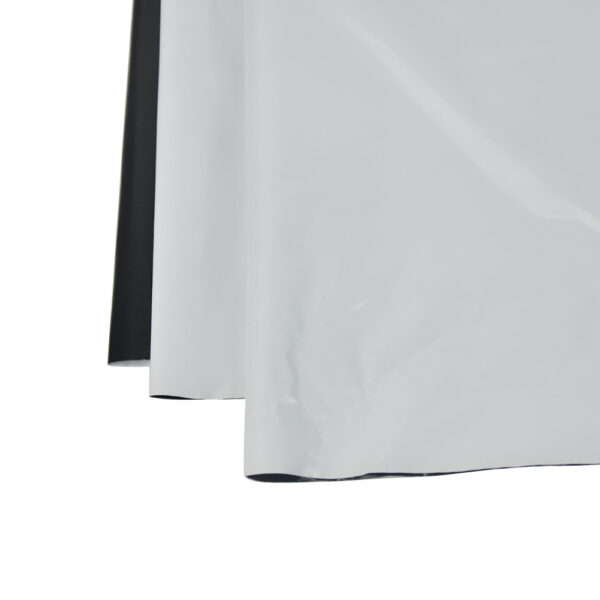
Here’s a concrete detail I use in discussions: a co-extruded, three-layer LDPE film we tested in Ho Chi Minh City (trial run, April 2023) kept temperature stability better and lasted 18 months under heavy sun—versus 9–10 months for mono-layer versions. That’s measurable; it translates to saved labor for replacements and fewer crop losses. We document those outcomes because I believe data should guide choices, not marketing lines.
Technical Shift — What’s Next?
Now we move to materials and measurement. I want to be clear: the next step is not just thicker film. We need targeted improvements in polymer blend, UV stabilization chemistry, and manufacturing control (especially gauge tolerance). When I review production specs today I insist on tighter gauge variation, recorded at roll stage, because uneven gauge kills seam integrity.
Look ahead with me: choose films whose lab certificates report not only nominal gauge but tear resistance, elongation at break, and UV transmission after accelerated aging. We tested one co-extrusion formula that kept UV transmission under 12% after 1,200 hours in a xenon chamber—real-world equivalent: nearly two seasons in central Vietnam. That kind of metric matters more than a glossy brochure. Also, when evaluating suppliers, ask for a field case study from a similar climate (I keep a file of three good ones for reference) — short, focused, and practical.
Real-world Impact?
Three quick metrics I recommend every buyer prioritize: measured tensile strength at welded seams (kN/m), validated UV stabilization after accelerated aging (hours to 50% property loss), and documented gauge tolerance across rolls (± microns). I advise weighing these with the actual crop calendar—some films perform well for spring crops but not the intense mid-year sun. I say this from experience: a slight up-front cost for better specs often cuts replacement labor and crop loss by half. — Yes, it’s an investment, but one with real payback.
To finish, I summarize: don’t be fooled by surface claims. Press suppliers for hard numbers, insist on field-proven case studies, and prioritize seam performance and UV data when you evaluate agricultural film (agricultural film) options. I’ll keep testing and sharing results, and if you want direct examples from our trials, I can send the reports. Thanks for reading — and if you’re deciding now, use these three metrics as a checklist. HGDN