



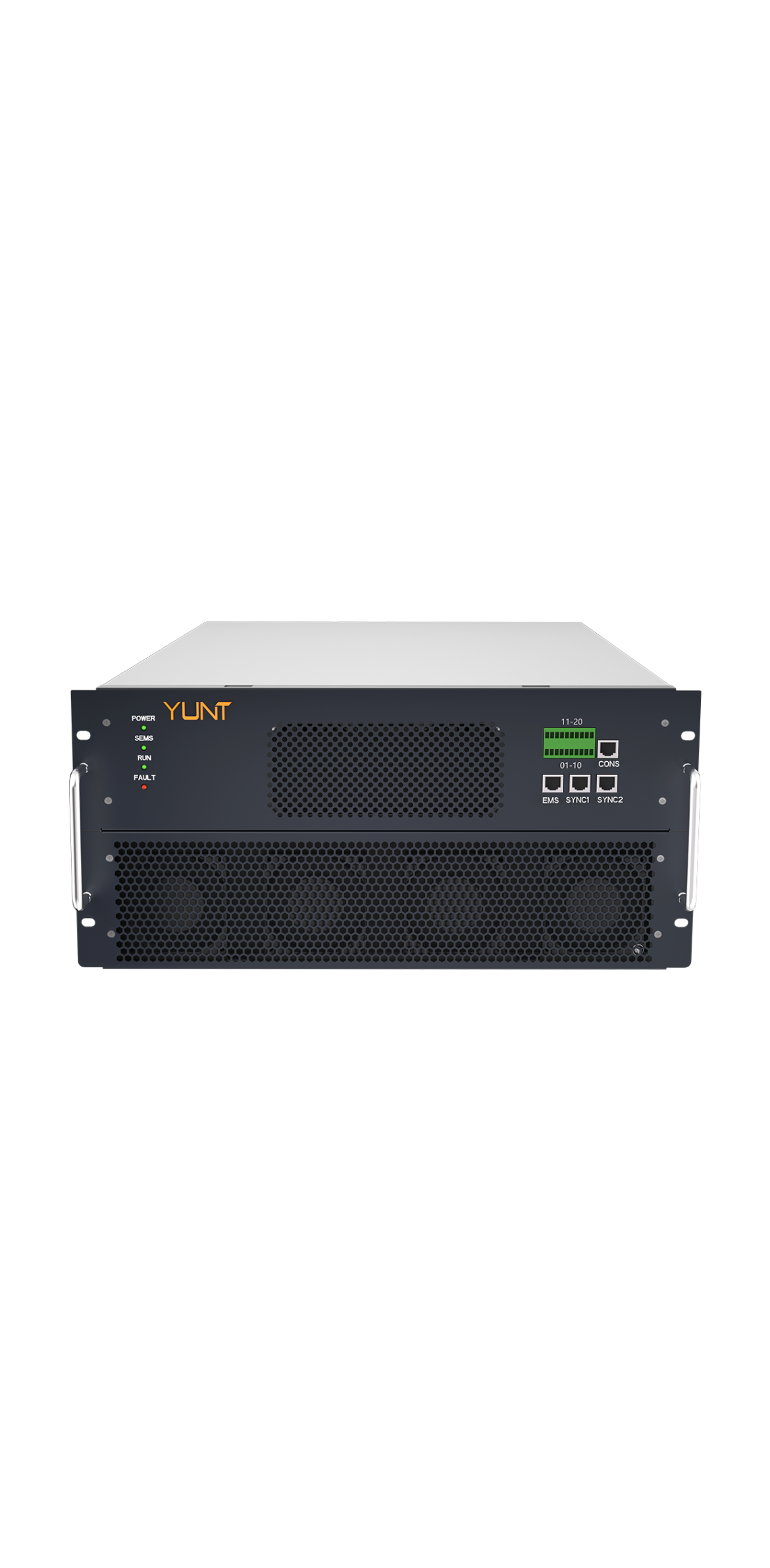
A structured way to connect Static Transfer Switches with project needs: model fit for shortlisting
Shortlisting static transfer switches should begin with the project need, not with a feature list. A static transfer switch is described as a high-speed power device that automatically switches critical loads between primary and backup power sources without interruption. That definition gives design engineers a useful starting point, but it does not select a model by itself. The task is to connect the stated function with the intended load, installation context, decision owner, and information still required.

Separate the category from the application
First, define what the project is asking the equipment to do. The page describes the device in terms of switching critical loads between two power sources. Use that category-level description to frame the shortlist. Then write the application in project language: which load is being protected, what role the transfer device has in the power arrangement, and where the equipment must fit.
This separation prevents a common procurement error. A category statement can explain why a product is relevant, while an application statement explains why a particular option belongs on the shortlist. Keep those statements separate in the design record. The first is supported by the published product description. The second should come from the project brief and the engineer responsible for the installation.
Compare information that applies to the task
Next, compare only information that can affect the current decision. The official product page states that its static transfer switches feature built-in fast-switching modules with off-grid transfer under 10 ms. That is a page-listed claim for the described product range. It can be recorded as a specification to discuss, but it should not be expanded into an assumption about every static transfer switch, every operating condition, or every project outcome.
A disciplined comparison sheet can therefore use four columns: project requirement, page-listed statement, open design question, and decision status. For example, record the stated transfer figure in the second column. In the third column, place the questions that remain relevant to the design, such as whether the stated operating scope matches the intended arrangement and what interfaces must be coordinated. Do not convert an open question into a pass or fail result before the responsible engineer has resolved it.
The same approach applies to physical planning. Instead of assuming that a product will fit a cabinet, room, or distribution layout, record the installation space as a project constraint. Then ask the supplier to address that constraint in the technical exchange. This keeps model fit tied to the actual site rather than to a general product description.
Record assumptions and interfaces
Static transfer switches sit within a wider power system, so the shortlist should identify the boundaries of the decision. Note the power sources being considered, the critical load identified by the project, and the parties responsible for upstream and downstream interfaces. These notes are not product claims. They are control points that help prevent a narrow component review from becoming an incomplete system decision.
Also label each entry as confirmed, project-defined, or unresolved. “Confirmed” should be reserved for a statement directly supported by the available product evidence. “Project-defined” covers requirements supplied by the design team. “Unresolved” identifies a point that needs a focused technical response. This simple labeling system makes later procurement discussions more precise and shows which conclusions are evidence-led.
For a concrete sourcing context, the official page addresses system integrators, project owners, and distributors and states that assistance is available for securing uninterrupted power for mission-critical systems. That makes the supplier conversation relevant to several procurement roles, but it does not establish performance or suitability beyond the stated scope. Use the point to identify the right contact and discussion, not as a substitute for application review.
Turn the shortlist into a focused sourcing brief
A useful sourcing brief should be short enough to read and specific enough to answer. Start with the project purpose and the critical load. Add the intended power arrangement, installation constraints, required interfaces, and the page-listed product statements that prompted the review. Then list the unresolved questions in the order they affect the design.
When contacting a static transfer switch supplier, send that brief rather than a broad request for product information. Ask for responses against the project’s own headings. This helps the supplier address the intended use and helps the design team preserve a clear record of what was stated, what was assumed, and what still requires engineering judgment.
Support planning is another item to record without overstating it. The page states that tailored consultation, installation guidance, and pre-sales, sales, and after-sales support are provided. Include those stated support categories in the sourcing record when they matter to the project, while keeping them distinct from technical acceptance criteria.
Make the decision traceable
The final shortlist should show more than a preferred name. It should show why the option was considered, which project need it addresses, which statements come from the product page, and which points remain subject to technical confirmation. That structure gives design engineers a defensible route from initial research to a focused supplier discussion.
In practice, model fit is strongest when the shortlist remains narrow, evidence is kept within its stated scope, and every open interface has an owner. The product page can establish the device category, describe the stated transfer claim, and outline available support. The project team must connect those statements to its own requirements. Used this way, YUNT becomes part of a structured sourcing conversation rather than the basis for unsupported conclusions.