



Introduction
Have you ever stood beside a machine and wondered if it was doing its best work—or yours? I ask because the choices we make about tooling shape more than output; they shape days, wages, and pride. In our shop, the CNC turret lathe sits at the center of that question: it hums, it spits chips, and it decides whether we meet a deadline or redraw a promise. (amar mone hoy—I feel this deeply.)
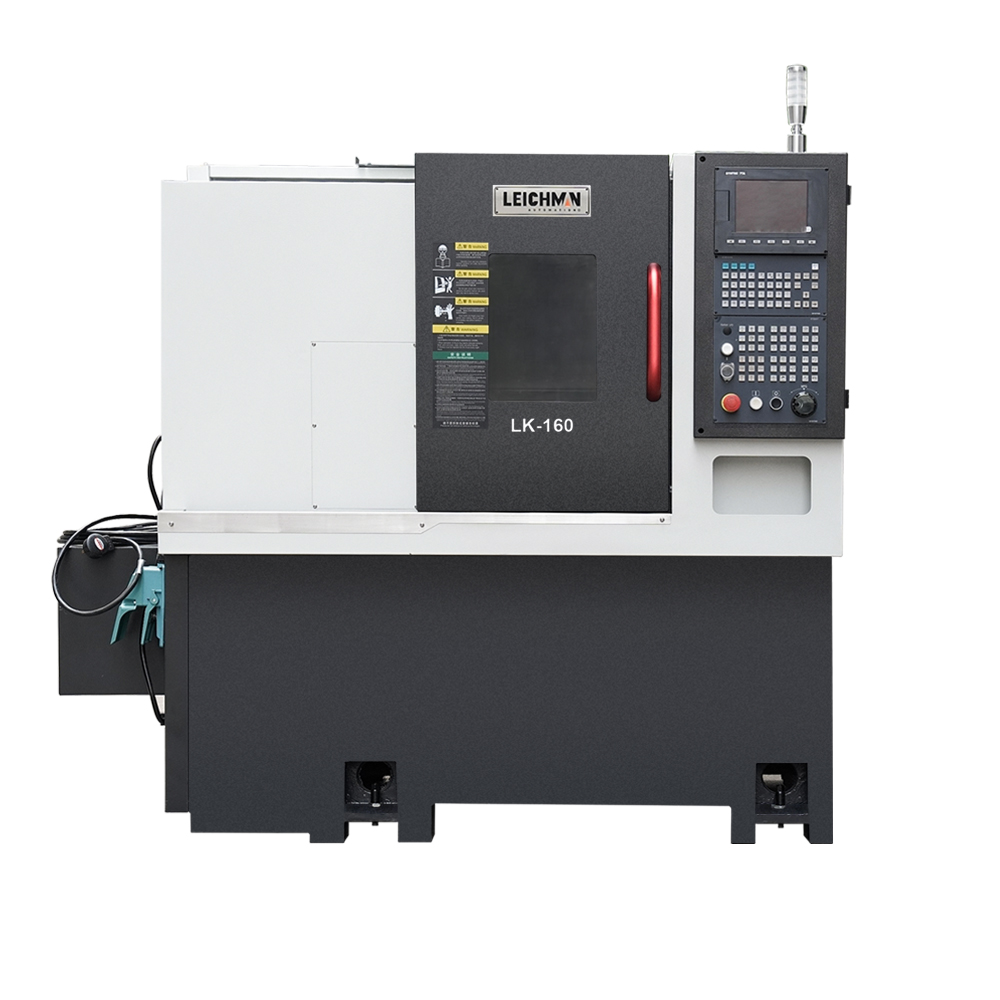
I’ll share measured facts: modern shops report 20–40% variance in cycle consistency when machines run without tuned axis control or proper spindle maintenance, and those numbers bite small shops hardest. So what do we do differently when a job is tight on tolerances, raw material is fussy, and lead times are a knife-edge? I want to walk you through what I look for, what I avoid, and why a clear set of priorities makes a machine an ally rather than a liability. Let’s move into the specific frictions that hide behind nightly production numbers.
Hidden Friction: Traditional Flaws and User Pain Points
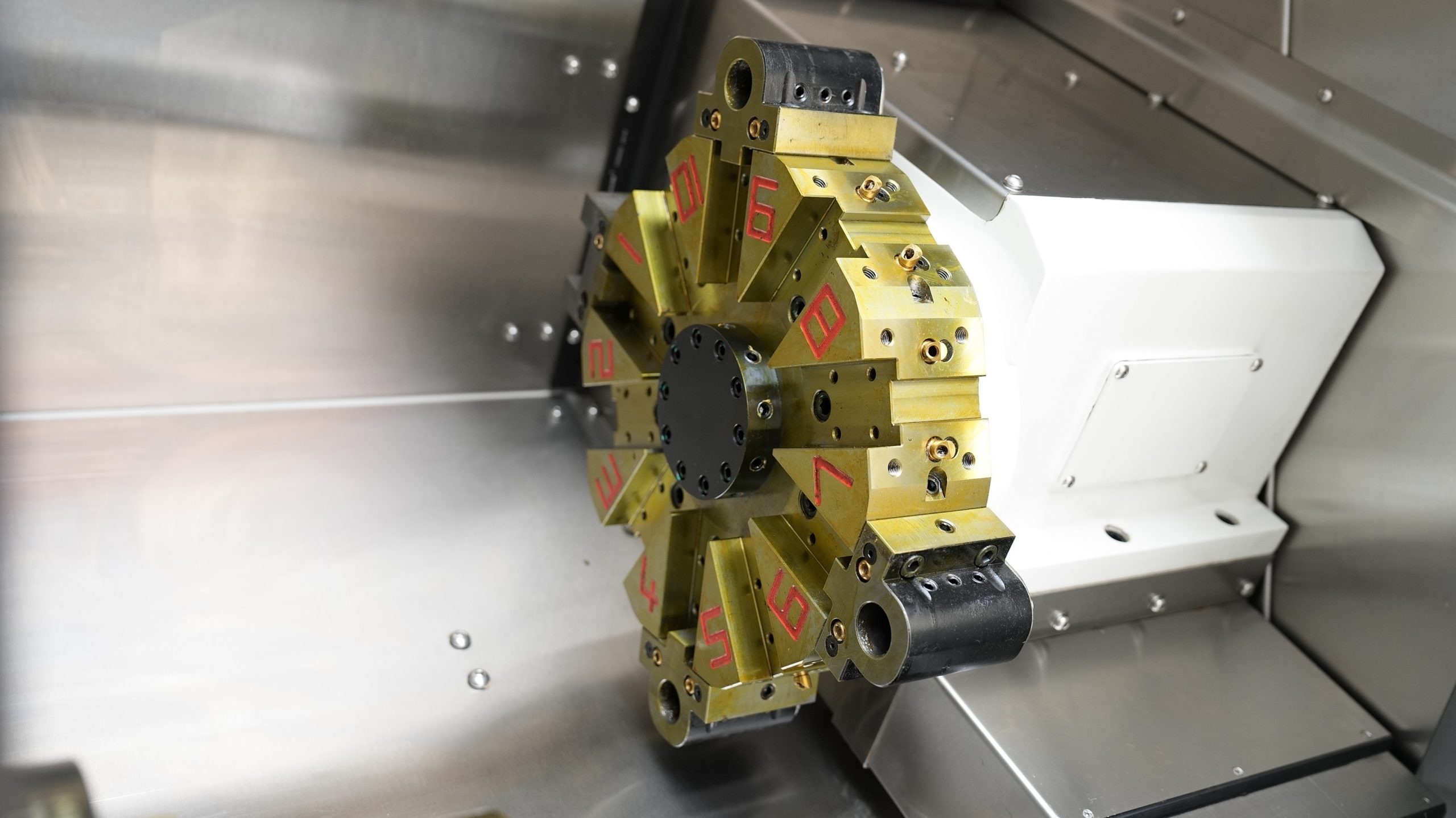
When I first studied a horizontal turret lathe on the floor, I found a laundry list of small failures that pile up into large cost—misaligned tool turret indexing, vague feedback from the CNC controller, poor coolant flow, and intermittent chatter from worn spindle bearings. Those issues are not glamorous, but they are real, and they eat time. Technically speaking, poor axis calibration and degraded servo motor response cause scrap far faster than a single bad setup ever will.
Why do these small faults matter?
Because they compound. I’ve seen a shop chase spindle speed tweaks to shave tenths, while the root cause was a chip conveyor that stopped every 45 minutes and sent hot swarf into a delicate bore. Look, it’s simpler than you think: if chips, coolant, and tool life are not managed together, the entire process derails. In my experience, the hard lessons come from watching operators deal with intermittent alarms—machine stops, rework, soothing a customer complaint. Those are human moments; they are not solved by specs alone. We need better diagnostics, clearer maintenance schedules, and a design that treats the turret as part of a system, not an island. That’s where most “traditional” solutions fall short: they fix symptoms, not systemic friction.
Forward View: New Principles for the cnc turret lathe machine
Looking forward, I’m excited by principles that treat the lathe as an integrated process node—where spindle dynamics, tool turret control, and coolant management talk to each other. The next generation of shops will depend on clearer feedback loops: condition-based maintenance driven by vibration analytics, smarter tool life prediction using simple edge logic, and better human–machine interaction so operators can act fast. For example, a well-configured cnc turret lathe machine should tell you that a tool will fail in six cycles, not only after it breaks. That changes behavior. — funny how that works, right?
Practically, I advise adopting three design principles: prioritize deterministic axis control, demand readable fault messages from the CNC controller, and insist on modular coolant and chip-handling layouts that are easy to service. These aren’t shiny features; they’re practical commitments that reduce downtime. In shops we’ve consulted with, adopting these steps cut unscheduled stops by measurable margins within weeks. I want to be clear: technology helps, but process and habits matter more. If you pair a modular spindle with poor setup discipline, you’ve only added cost. Conversely, a modest machine with excellent maintenance and operator feedback can outperform a high-spec machine left to chance.
Conclusion — How I Evaluate and What I Recommend
I’ll leave you with three hard metrics I use when I recommend equipment or redesign a workflow: uptime percentage under real production loads, average time-to-recover from a stoppage (not the spec sheet number), and first-pass yield on critical dimensions. When I test machines, I track these for a month—no marketing claims, just daily reality. If a machine can’t hold axis control under load, or if its tool turret indexing drifts after heat soak, it fails my test. These metrics keep conversations practical and honest. Also—expect surprises; a small tweak to the coolant path can sometimes beat a firmware update.
In the end, I value machines that respect the operator: clear messages, serviceable parts, and predictable behavior. I’m not trying to sell elegance over grit; I want reliability that humans can work with. If you’re looking for a sensible place to start, take a good look at the basics first, then invest in smarter diagnostics. For concrete solutions and tooling that respects the shop floor, consider checking options from Leichman. I’ll be here—ready to talk specifics when you’re ready to pull a machine onto the floor.