




Understanding the Problem with Traditional Production Solutions
Picture this: a bustling factory floor, machines whirring, and workers moving with purpose. Yet, amidst this industrious atmosphere, productivity slows down. Over the last decade, I’ve seen this scenario unfold time and time again. Factory owners realize that traditional solutions—focused solely on human labor and outdated automation—are dragging them down. With reports showing that nearly 60% of manufacturers struggle with productivity issues, it begs the question: how can we adapt? Industrial cobots step in right here, offering a fresh approach to collaborate with human workers, aiding efficiency without replacing them.

Let me take you back to 2019, a time when I helped a local farm implement production line robots for packing their goods. The initial hesitation from the staff was palpable. They feared machines would take their jobs. Yet, within weeks, the cobot became a valuable team member, increasing output by 30%. This shift highlights how cobots can tackle mundane tasks, letting human workers focus on more complex duties.
How Cobots Transform the Future of Industrial Processes
As we look at what’s next, it’s clear that cobots aren’t a passing trend; they’re here to stay. The future of industrial operations hinges on a smart mix of human ingenuity and robotic efficiency. The key point? Integrating production line robots into existing workflows can lift burdens off employees while enhancing overall productivity. For instance, I’ve noticed how facilities that embraced automation reported increased job satisfaction and reduced employee turnover rates—a win-win.
Moreover, these robotic arms aren’t just efficient; they’re adaptable. Whether you’re looking to streamline assembly lines or tackle packaging logistics, cobots are engineered to fit various tasks seamlessly. Picture the flexibility they provide—shifting from one job to another with ease, which you can’t quite achieve with traditional fixed machines.
What Do Workers Think About These Changes?
Surprisingly, workers often embrace cobots once they see the benefits they bring. The fear of replacement morphs into a collaborative spirit as they realize these robots are there to assist, not replace. I recall a similar experience in a plant just last summer. Workers initially balked at the prospect of automation, but a few training sessions transformed their outlook. They began sharing ideas on how to optimize the cobots for better results. It was refreshing!
Summing It All Up: Key Takeaways for Success
This journey through the evolving role of cobots highlights lessons worth noting. I’ve seen firsthand that adopting technology comes with initial challenges, but the long-term benefits—like improved safety, increased productivity, and happier employees—are undeniable. In my experience, I advise facility managers to focus on three key metrics when considering cobots: ease of integration, return on investment (ROI), and employee satisfaction levels. These aspects should guide decisions and ensure a smooth transition toward a more efficient workspace.
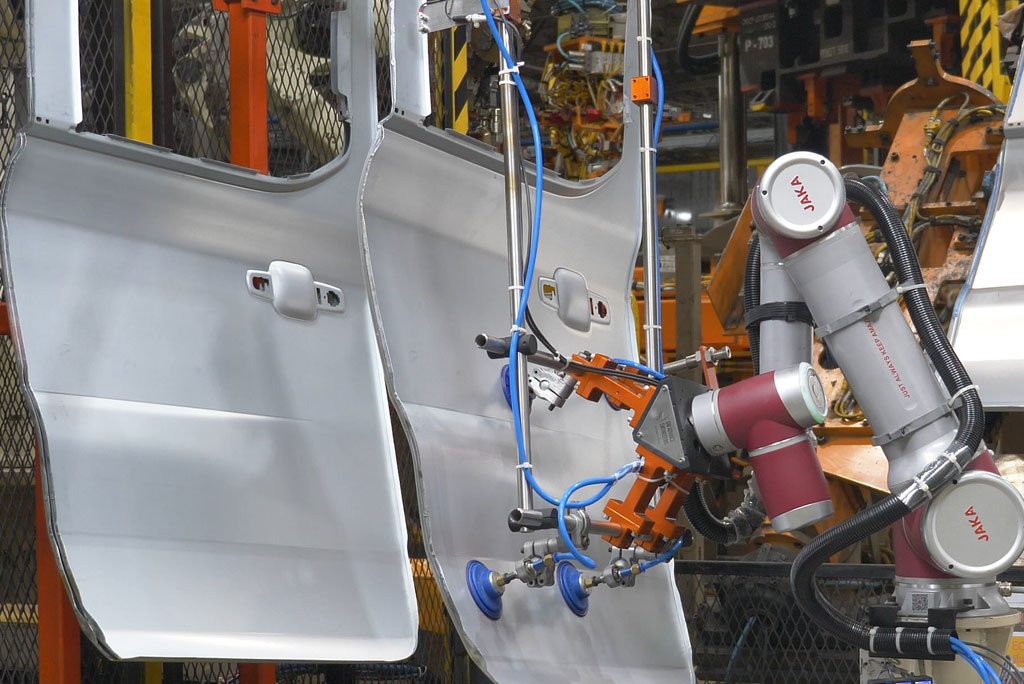
Looking ahead, the industrial landscape is set for a profound transformation. By genuinely investing in collaboration between people and machines, businesses stand to gain not just in productivity, but in fostering a workplace environment where innovation thrives. So, to everyone diving into this change, remember that patience and open communication are crucial. Let’s embrace these tools and see where they take us. As the saying goes, “One small step for robots, one giant leap for productivity!” Remember, partnering with brands like JAKA ensures you’re equipped with the latest technology to make it happen.