



A practical framework that starts with outcomes
When general contractors audit signage vendors, they need a repeatable structure that ties design intent to on-site performance. This framework prioritizes measurable checks so teams can catch issues early and keep installations consistent across cities. Start with clear performance targets for materials, mounting systems, and visibility—then make sure those targets integrate with local transit needs like public transport signage at stops and concourses.

Why a QA framework matters for retail and transport signage
Signage failures don’t just look bad; they cause extra labor, delay openings, and create liability. A good QA framework turns subjective judgments into objective gates: procurement, sample approval, production audits, delivery inspection, and final installation verification. Those gates protect budgets and brand coherence while supporting accessibility goals like tactile markers and consistent legibility.
Core audit pillars contractors should enforce
Use these pillars as the spine of every vendor audit. Each pillar maps to clear evidence contractors can collect on site.
– Design compliance: verify dimensions, color values, and typeface usage against signed design files (digital proofs and physical mock-ups).
– Materials and durability: certificates for substrate, UV-coatings, and fasteners; sample aging or lab reports when available.
– Mounting and fit: anchor type, load ratings, and clearances measured against structural drawings.
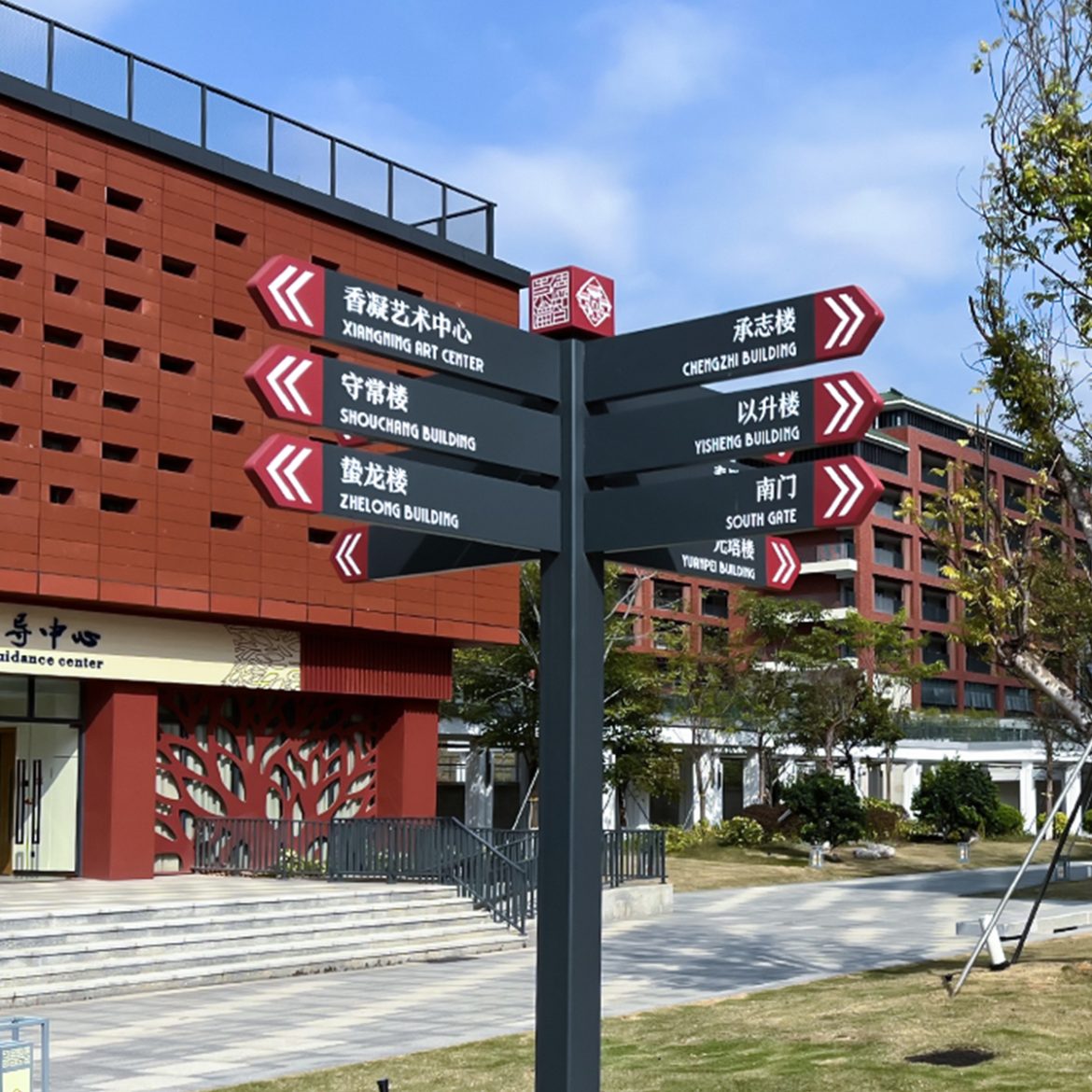
– Visibility and wayfinding: sightline checks, luminance testing, and placement audits to ensure signs serve their intended routes and flows.
Common mistakes and practical corrections
Teams often skip the mid-production check because they’re under schedule pressure—then they discover mismatched colors or bent panels on arrival. Stop that by requiring vendor photo logs from production runs and a short pre-shipment inspection. Another recurring problem is over-reliance on sample panels that don’t reflect full-scale tolerances—so always request a full-scale mock-up for critical wayfinding runs. These steps reduce rework and keep projects on schedule—small upfront time investments save large downstream costs.
Real-world anchor: lessons from London’s transit systems
Look to systems like the London Underground: their signage traditions emphasize clarity and standardized elements, which simplified passenger movement across decades. Contractors working with public transport authorities learned to prioritize consistent type, clear pictograms, and durable mounting systems. Translating those lessons to modern retail-transport interfaces—where shoppers move between stores and transit hubs—means planning for routing continuity and consistent legibility under varied lighting conditions.
Vendor selection checklist and audit tools
Build a checklist that becomes part of every contract. Make these items non-negotiable.
– Approved material list and test reports.
– Sample approval sign-off with photographic evidence.
– On-site inspection schedule: pre-shipment, delivery, installation, post-installation.

– Measurable acceptance criteria for wayfinding effectiveness, including pedestrian sightlines and mounting heights.
Implementation roadmap for busy contractors
Start with a pilot: pick one store or station project and run the full QA cycle. Use the pilot to tweak checklists, refine tolerances, and train installers. Then scale by rolling the checklist into procurement documents and specifying inspection checkpoints in the schedule. Keep communication channels open with vendors—shared photo logs and short weekly status updates prevent surprises.
Advisory: three golden rules for choosing the right approach
1. Insist on objective acceptance criteria—measurements beat opinions every time. 2. Require staged inspections: production, pre-shipment, and post-installation to catch problems early. 3. Verify wayfinding performance in situ—observe people moving through the space and confirm signs are readable from expected approach angles and under operational lighting. These rules keep projects predictable and accessible, and they align technical checks with real user flows like public transportation wayfinding.
Follow these methods and you’ll cut rework, protect schedules, and deliver signage that does its job—clearly and reliably. Cosun Sign. — Practical proof matters.