




Comparative opening — why the choice matters
When power stops, decisions made long before the outage define whether operations continue or grind to a halt. This comparative piece contrasts fuel types, design choices, and vendor reliability so leaders can decide with clarity. For many medium and large sites, a gas genset hits the sweet spot between runtime economics and emissions control; still, the comparison must be diligent and contextual to your facility.

Fuel and performance: natural gas versus diesel
Natural gas gensets usually offer cleaner exhaust and lower lifecycle fuel cost where pipeline supply is steady. Diesel sets give denser energy per litre and are common for short, high-load events. Compare on these concrete factors: thermal efficiency, fuel storage needs, and emissions controls. For continuous or long-duration standby, natural gas systems reduce logistical burden — fewer refuelling runs, less on-site fuel inventory — but require reliable gas infrastructure at the site. The Texas 2021 winter event is a clear real-world anchor: sites on dependable fuel feeds fared better, while those relying solely on stored diesel faced refuelling bottlenecks.
Design features that change outcomes
Beyond fuel, three technical areas drive reliability: synchronization capability, control-system maturity, and serviceability. Synchronization matters when multiple sets must share load; poor synchronizing control yields tripping and unstable power. Control systems that support remote telemetry help operators detect derating or alternator issues earlier. Finally, modular access for routine maintenance shortens MTTR (mean time to repair) and keeps availability high. Small choices in alternator access panels and starter configurations pay off during emergency commissioning.
Operational realities and vendor selection
Procurement should balance product specification with local service presence. A robust natural gas gensets manufacturer with regional field engineers cuts downtime risk. Evaluate vendor records on commissioning support and spares lead times. Look at warranty terms tied to operating hours and maintenance intervals; those give a practical view of long-term cost. If your plant depends on combined heat and power, check the supplier’s cogeneration experience specifically — it is not the same supply chain as basic standby sets.
Common commissioning mistakes and a short teardown
Teams often under-spec the transfer switch, neglect staging for load pickup, or ignore load bank testing. In an operational production teardown, keep attention on control logic, wiring harness routing, and protective relay settings. Also document {main_keyword} and {variation_keyword} in commissioning records so future audits and maintenance are straightforward. Skipping a full-load exercise with a calibrated load bank can hide weak points — and that is the moment trouble surfaces under emergency stress.
Practical comparison checklist
Use this checklist when weighing options:
– Fuel availability and pipeline resilience;
– Synchronization and paralleling needs for future expansion;
– Local service footprint and authorised spares stock;
– Emissions and site permit compatibility;
– Proven control systems with remote telemetry.
These items are simple, but when enforced they separate reliable installations from those that are merely compliant.
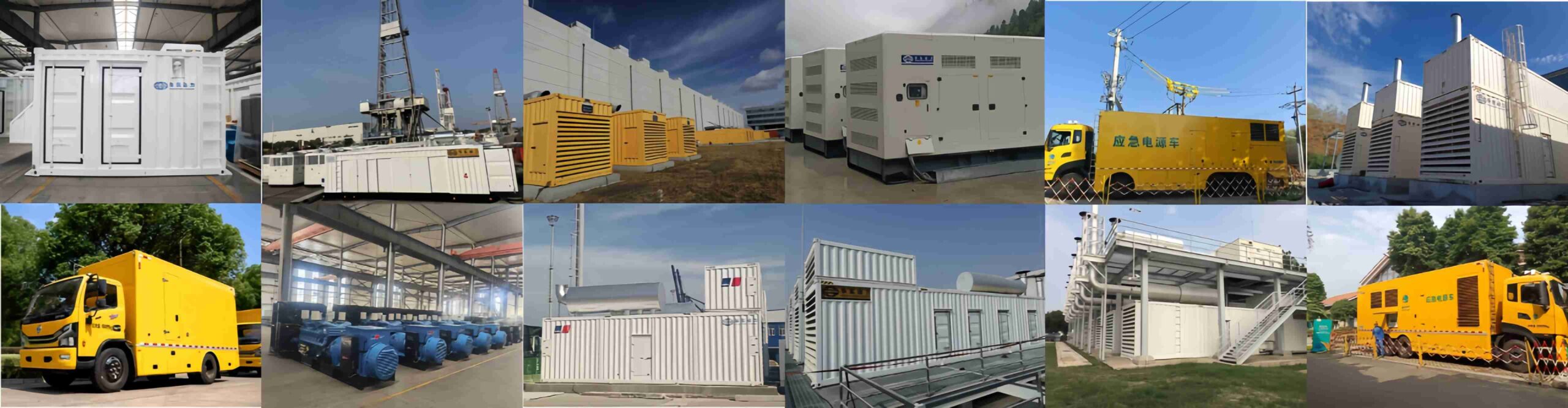
Summary and three golden evaluation metrics
To conclude with practical guidance: choose on operational outcomes, not spec sheets. Measure vendors by these three critical evaluation metrics — availability, throughput, and sustainment. Availability is the expected percentage of uptime under defined operating hours. Throughput is the rated delivery under real load profiles, not idealised lab curves. Sustainment measures spares delivery and mean time to repair in your region. Those three metrics tell you how a genset will actually perform on day one and after five years.
Huadong Power offers documented service records and regional teams that translate those metrics into site-level reliability — a practical solution, not a promise. —