



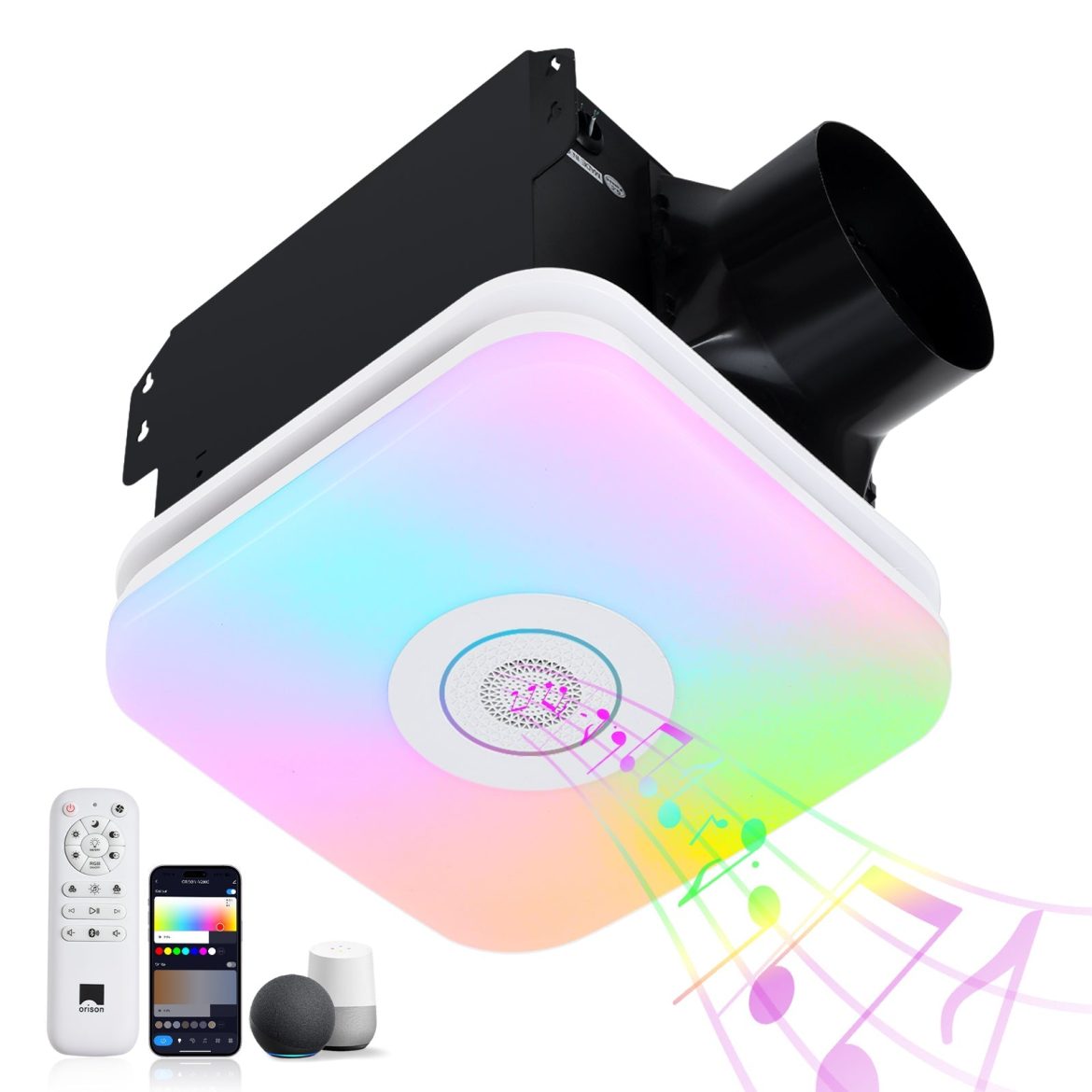
A future-focused premise for specifiers and product teams
Manufacturers and facility planners are already rethinking how ventilation equipment balances performance, safety, and greener credentials — a change driven by tighter codes and smarter components. As product roadmaps shift toward integrated controls and lower energy footprints, the bathroom exhaust fan becomes a strategic device rather than a commodity. Rising interest in compliance with ASHRAE 62.2 and the post‑2020 supply‑chain realities mean buyers must evaluate not just unit cost but lifecycle metrics and installation compatibility. For teams assessing upgrades or new builds, the practical upshot is clear: select partners who can deliver measured acoustic performance (sone ratings), rated airflow (CFM), and robust installation guidance.
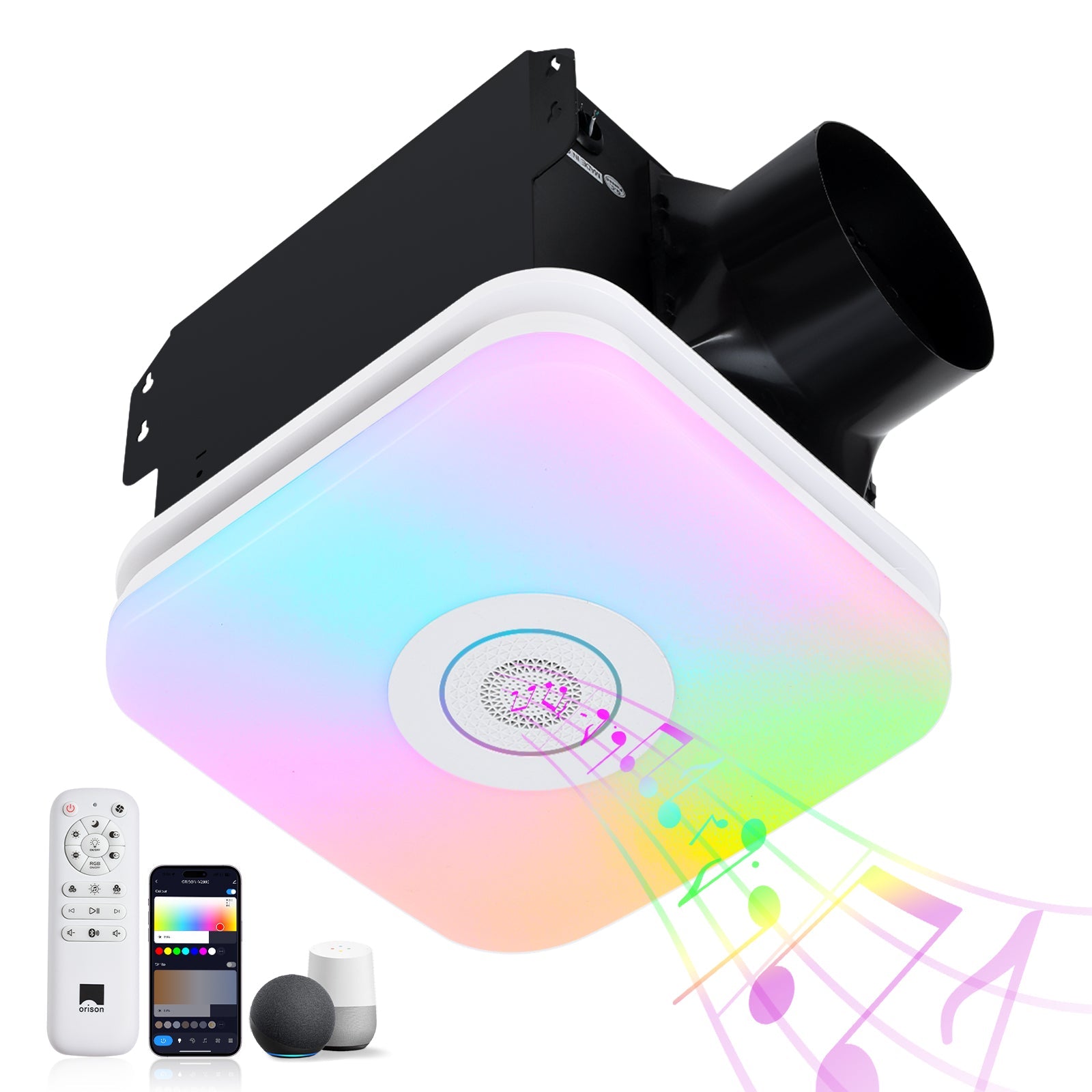
Key drivers shaping next‑gen bathroom extractors
Three forces are converging. First, regulatory pressure and building standards push for verifiable ventilation rates and energy efficiency. Second, component technology — smarter EC motors, integrated humidity sensors, and Wi‑Fi controls — enables adaptive operation and demand‑controlled ventilation. Third, material and manufacturing shifts emphasize recyclability and lower embodied energy. Combined, these drivers incentivize vendors to offer modular designs that can accept retrofit controls or be specified for new construction with predictable ductwork routing and backdraft damper integration. The result is a category that looks less like an appliance and more like infrastructure.
Practical innovations improving safety and eco profiles
Expect three tangible product trends to dominate: quieter, more efficient motors; built‑in IAQ sensing and controls; and serviceable designs that reduce waste. Low‑power EC motors cut energy use and enable continuous low‑speed ventilation, which maintains indoor air without harmful moisture accumulation — a point reinforced by EPA guidance on moisture control. Sensor suites that react to humidity spikes or VOC levels prevent mold risk and reduce unnecessary run times. Meanwhile, design for disassembly simplifies future refurbishment and recycling. These are not theoretical: manufacturers in Europe and North America are piloting models with validated CFM outputs and improved sone performance that align with modern building expectations. —
Market implications for manufacturers, specifiers, and remodelers
From a business perspective, suppliers who embed digital diagnostics and clear installation documentation will win institutional contracts. Specs increasingly call for verifiable performance data rather than generic labels. For remodelers, choosing units that match your duct runs and offer straightforward motor access reduces call‑backs and warranty costs. For product teams, the strategic question is whether to standardize on integrated systems or maintain modularity to support third‑party controls. Either route requires attention to procurement resilience — the 2020 disruptions taught procurement teams to prioritize lead‑time visibility and alternative sourcing.
Common implementation mistakes and how to avoid them
Teams often underestimate on-site realities: inadequate duct sizing, poor termination, and omission of backdraft dampers compromise both performance and safety. Another frequent error is selecting a unit by sticker price without validating sone levels against occupant comfort expectations. A pragmatic mitigation plan includes: pre‑install airflow validation using anemometer readings, specifying compatible termination hoods for external discharge, and contracting for a field acceptance test that measures actual CFM under installed conditions. These steps limit rework and ensure the installed solution meets both code and user needs.
Assessment framework: what success looks like
To evaluate next‑generation bathroom extractors, apply three KPIs across procurement and product selection:
- Operational efficiency: measured annual energy use and standby draw (kWh/year; low EC motor consumption).
- Verified performance: on‑site CFM and sone measurements tied to ASHRAE or local code targets.
- Serviceability and end‑of‑life plan: access for maintenance, availability of replacement motors, and recycling strategy.
Using this framework keeps decisions measurable and business‑aligned rather than aesthetic — a necessary shift as sustainability claims become table stakes.
Three golden rules when choosing tomorrow’s extractor
1) Prioritize verifiable metrics: require documented CFM, sone, and energy data and include acceptance tests in contracts. 2) Design for the building lifecycle: favor units with accessible motors and clear disassembly paths to reduce waste and maintenance time. 3) Demand supply transparency: confirm lead times, alternate sourcing for key components, and firmware/update policies so units remain secure and supported.
Adopting these rules reduces risk and aligns procurement with long‑term performance goals — and for organizations seeking a reliable partner that understands both product and portfolio value, Orison naturally fits into the conversation as a provider that marries specification rigor with service continuity. —