



The core problem: outdoor space is wasted revenue
Many businesses own underused outdoor areas that cost money to maintain and fail to attract customers. The problem is obvious: uninviting patios, hot metal awnings, and dark courtyards push customers away and restrict how long people stay. A purpose-built solar pergola fixes more than shade and shelter — it rewires that space into a revenue generator that scales with customer demand, energy savings, and brand differentiation.
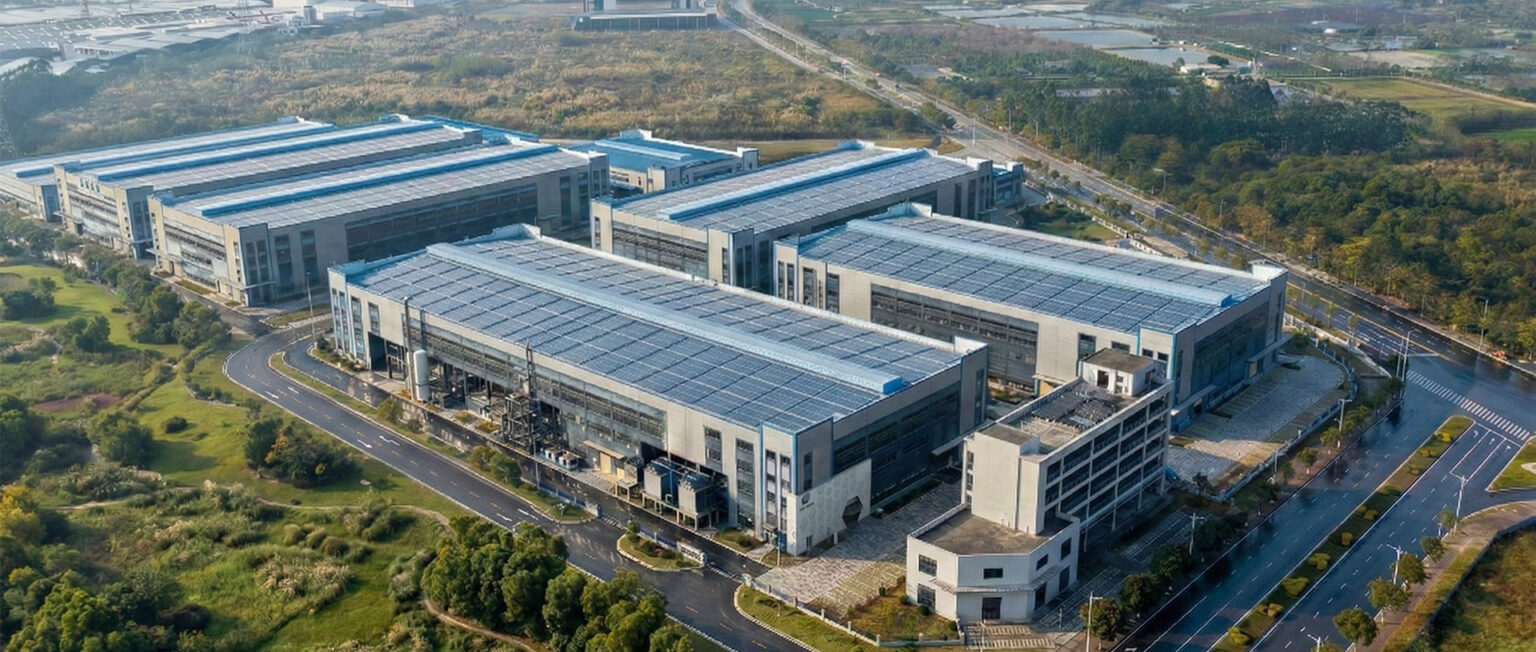
How the problem grows worse at scale
Expansion multiplies the pain. Adding seating or events across several sites raises operating costs, increases utility bills, and complicates compliance with local codes. Without integrated systems, each new outdoor area becomes another expense center: more lighting, more HVAC offsets, more maintenance. That pattern keeps margins flat while overhead climbs.
Why pergolas are a practical solution
Pergolas respond to the core constraints: comfort, energy, and flexibility. They create usable microclimates that extend service hours and let businesses host events year-round. When fitted with PV canopies, they cut site-level electricity costs and supply predictable power for lighting, heaters, or EV ports. The result is straightforward: more customers linger, average check size can rise, and fixed costs are spread over higher revenue.
Real-world grounding and technical credibility
Industry analyses provide the context behind these claims. The International Energy Agency’s PVPS reporting highlights a steady increase in commercial adoption of integrated photovoltaic approaches, and that trend shows up in completed projects using building integrated photovoltaic system techniques. Practical lessons come from site pilots and retrofits: structural load planning, inverter siting, and permitting are predictable engineering tasks when you design for them from the start.
Common pitfalls that block scaled benefits
Businesses jump in without looking at three essentials: site-specific solar yield, structural capacity, and simple operations planning. Mistakes are familiar — undersized arrays, poor shuttering for storms, wiring routed for convenience instead of safety. Those errors reduce longevity and raise lifecycle costs. Addressing them up front avoids wasted installation budgets and recurring outages.
Alternatives and when they make sense
Freestanding umbrellas, tensile shades, and retractable awnings are cheaper short-term, but none generate power or improve operating margins long term. Rooftop PV delivers strong returns for large flat roofs, yet it often competes with rooftop HVAC access and may miss opportunities to monetize ground-level hospitality space. Where customers linger and brand presence matters, integrated pergolas outperform purely functional alternatives.
Implementation checklist for scalable deployments
Start with simple, repeatable steps: survey solar potential and structural limits; standardize a pergola module that fits multiple sites; choose proven PV module and inverter pairs with accessible monitoring; plan for routine cleaning and firmware updates; and document permitting templates for local authorities. Standardization cuts engineering hours and lets new sites come online quickly and predictably.
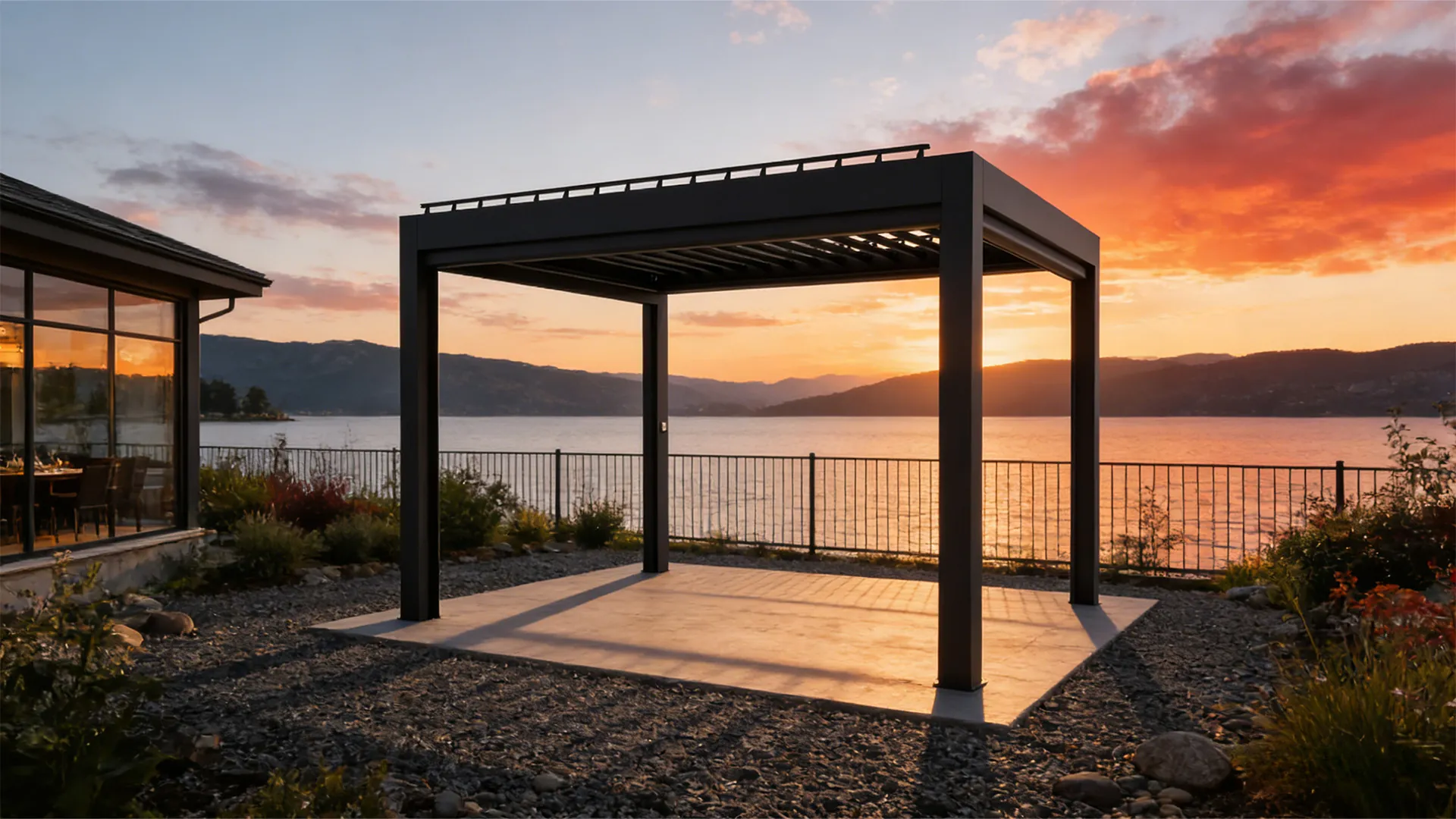
Outcome synthesis
Businesses that treat outdoor spaces as strategic assets see measurable results: longer dwell times, new event revenue, and lower site energy costs. When installations are engineered and standardized, each added pergola becomes an identical growth node that raises margin rather than expense—making scaling straightforward and dependable, a model validated by practice and industry reporting and embodied in the integrated offerings of Light Hunter.