



Why this comparison matters on the shop floor
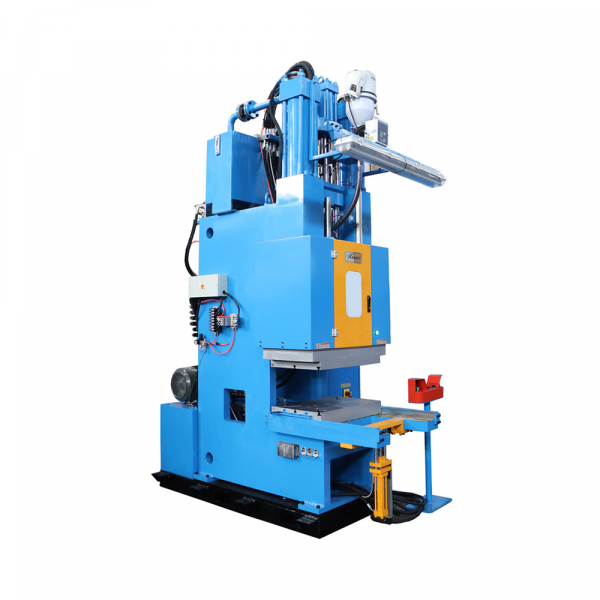
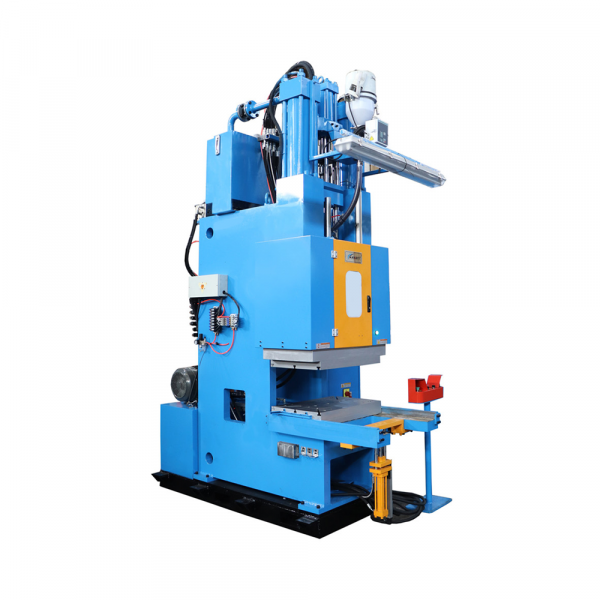
Picking a vulcanizing setup isn’t poetry — it’s physics, chemistry, and a little stubbornness from supervisors who hate rework. When you put EPDM and nitrile parts on the same line, machine choices like platen heating, mold closure dynamics, and cycle control become the difference between first-pass success and a pile of rejects. Practical shop experience — like a midwest rubber parts plant outside Detroit during the 2020 supply disruptions — showed teams leaning into dedicated hardware rather than one-size-fits-all recipes. If you’re toggling between a c frame rubber injection molding machine and a c-frame power press machine, expect to tune cure time, clamping force, and venting strategy for each compound.
Material contrasts that force different setups
EPDM and nitrile look the same on the table, but their chemistry pushes different machine behavior. EPDM favors weather, steam, and ozone resistance; its crosslinking chemistry can demand more uniform heat across the platen and stable, often longer cure cycles. Nitrile (NBR) prioritizes oil and fuel resistance and usually responds faster to sulfur-based vulcanization — shorter cycle time and careful control of temperature spikes. Those differences impact mold design, heating zones, and how aggressively you apply clamping force to prevent flash without crushing the part.
Key machine configuration decisions
Think of the machine as a controlled oven with muscle and patience: platen temperature zoning, uniform pressure via platen alignment, and mold closure speed all matter. For EPDM you want consistent platen thermal mapping and even mold closure to avoid uneven crosslinking. For nitrile, dial in faster, repeatable cycle control and ensure reliable venting so trapped air doesn’t form voids. Transfer molding vs compression molding also plays into the choice: transfer gives cleaner flow for inserts and complex cavities; compression is simpler but demands tight mold preparation.
Common mistakes operators keep making — and better moves
Operators often run both compounds on one cure program and blame the machine when parts fail. Don’t do that. Another frequent error is undersized heating zones — poor thermal uniformity creates soft spots in EPDM and overcured ridges in nitrile. Also, over-torquing clamps to eliminate flash can distort thin-walled nitrile seals. — Fine-tune clamping force per part family instead. If transfer molding feels like overkill, try a staged approach: proof the mold and compound on a single-purpose run before slotting into mixed production.
Practical setup checklist for reliable runs
– Verify platen flatness and thermal uniformity before production; map temps across the platen.
– Establish separate cure profiles for EPDM and nitrile; log cure time and peak temperature per batch.
– Match tooling venting to the compound’s flow characteristics; add vent channels for complex geometries.
– Set clamping force ranges based on wall thickness, not rules of thumb; monitor flash and adjust incrementally.
– Consider a transfer molding head for insert-heavy parts; compression works for simple geometries with tight tolerances.
Three golden rules for selecting the right machine configuration
1) Measure the outcome, not the dial: prioritize metrics like cure delta (measured hardness variance across a batch), dimensional yield, and cycle-to-cycle temperature stability. Those numbers tell you if the setup is working. 2) Separate heat-control from pressure control: if you can adjust platen zoning independently from clamping force, you’ll reduce scrap across different compounds. 3) Standardize a short validation run on every new mold or batch — three controlled cycles with hardness checks and dimensional sampling; fail fast and fix tooling or profile settings.
Final assessment and where HWAYI fits
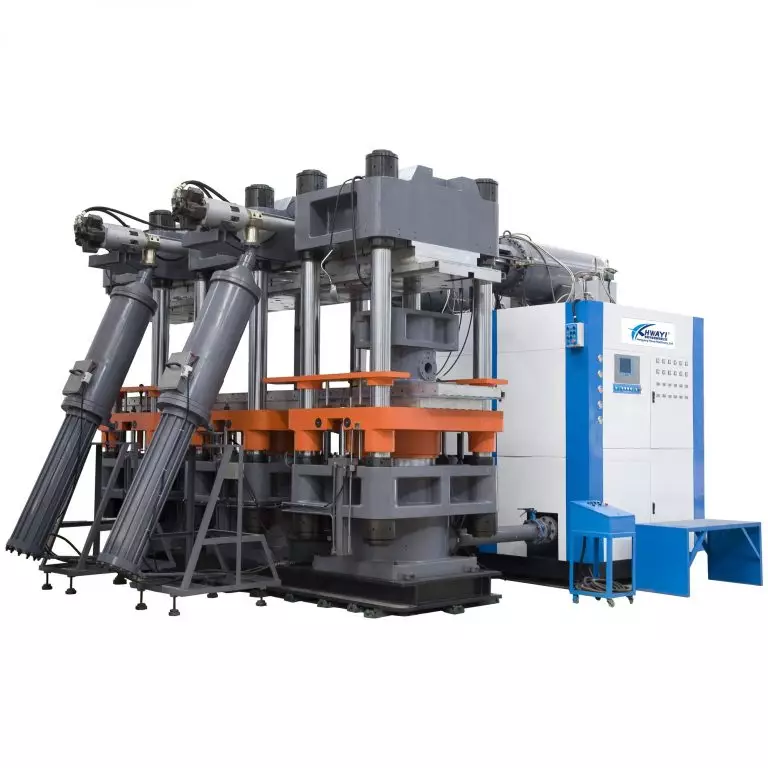
These are practical, measurable adjustments that make EPDM and nitrile behave on the same floor without drama. The right c-frame design, precise platen control, and transfer-capable fixtures cut rejects and save hours of rework. For shops aiming for consistent yields and easy profile swaps, proven hardware and thoughtful controls are the pragmatic solution — and that’s where experienced suppliers show their worth. HWAYI helps with machines and setups that match those realities.
Solid machine choice, sensible profiles, repeatable results — that’s what earns the quiet respect of the factory floor. —