



Introduction
How much of your barn’s daily rhythm is dictated by a light switch? I ask because farms are changing fast, and the numbers are stark: modern broiler houses report up to a 12% gain in feed conversion with optimized light schedules. Broiler lighting plays a surprisingly big role in bird behavior and growth, so it deserves more than a checkbox on the setup list. (I’ll show step-by-step how to think about it.)
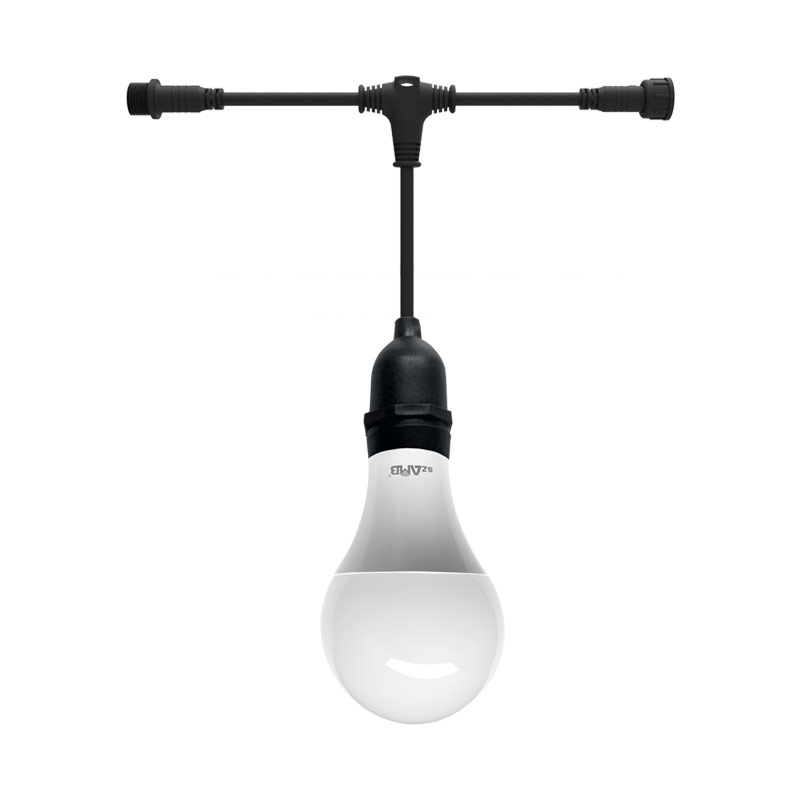
Picture a 1,000-bird flock under inconsistent light—uneven activity, stretched pecking order, and scattered rest cycles. Data from on-farm trials often highlights gaps in lux levels and poor spectral balance that slow performance. What practical moves can we make to tighten those gaps and protect welfare while keeping costs down? That’s what I want to walk you through next, in plain steps designed for people who run farms—not labs.
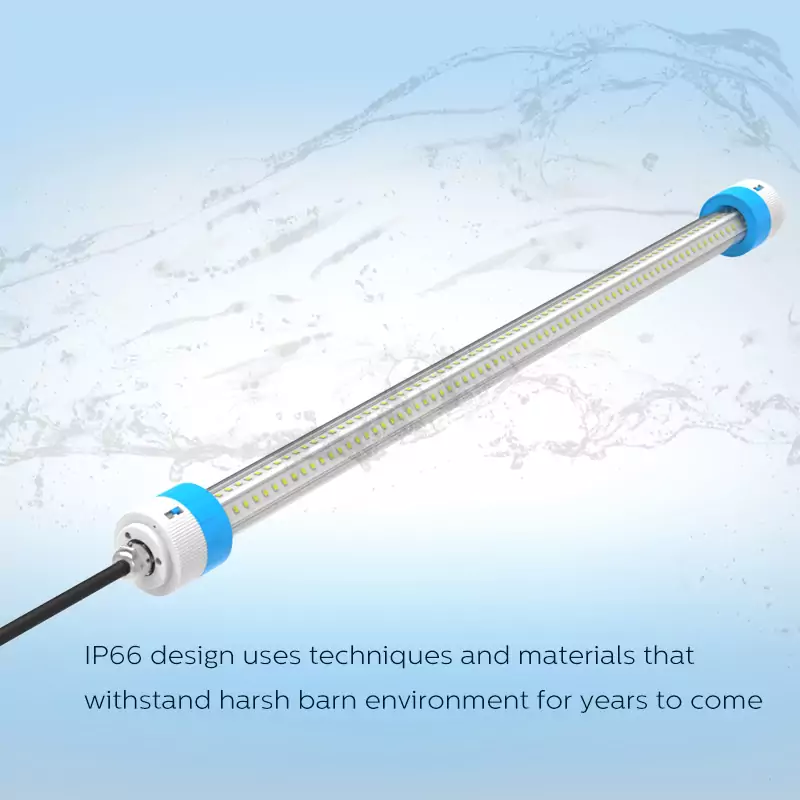
First, let’s map the problem clearly so you can spot it on your farm and decide what to change.
Deeper Issues: Why Current led poultry Choices Fall Short
I want to be blunt: many growers buy led poultry fixtures because they’re cheaper and assume all LEDs are the same. They’re not. The flaws are often under the hood—poor dimming curves, mismatched spectral balance, and cheap power converters that flicker under load. These add up to uneven light distribution and stress responses in birds, which affects weight gain and uniformity. Look, it’s simpler than you think: bad components create bad outcomes.
Technically speaking, the typical retrofit ignores control architecture (edge computing nodes, for example) that would allow room-level adjustments and automated photoperiods. That means farms miss out on precision dimming and tailored light schedules. I’ve seen houses where a single control failure changes the whole flock’s sleep cycles overnight—funny how that works, right? The result: welfare issues, inconsistent harvest ages, and higher mortality risk in extreme cases.
So where does that leave operators?
We need to stop treating light only as energy cost. Instead, treat it as an active management tool—one that must pair reliable hardware (robust power converters, stable drivers) with smart control (dimming curves, programmable photoperiods). When I audit a setup, I look at three things right away: spectral output, lux uniformity, and control latency. Those are the places cheap systems fail.
New Principles and Practical Paths Forward
Now let’s switch gears and look forward. I prefer principles over products—principles last while models change. First: design for behavior, not just brightness. Spectral balance matters: a slight shift toward red in the evening can calm birds and support rest, while cooler daytime spectra support activity. Second: integrate controls—simple schedules are okay, but systems that support phased dimming curves and quick manual overrides give you resilience. I still recommend validating systems on a pen level before full rollout.
Implementing these principles means upgrading both hardware and software. Use fixtures with stable drivers and reliable power converters, and pair them with controls that can talk to edge computing nodes if you plan to scale. I’ve tested a few setups where small firmware tweaks (yes, software!) reduced energy spikes and improved uniformity—so the gains are real. — funny how that works, right?
What’s Next for Your Farm?
Practically, start small. Run a pilot pen using led poultry that allow you to tweak photoperiod and dimming curves. Monitor feed conversion, activity patterns, and mortality for at least one full cycle. I recommend logging lux levels and noting behavioral shifts; you’ll see patterns quickly. Weigh results against total cost of ownership—not just sticker price. Over time, the farms I work with that invest in smarter lighting systems see steadier growth and better uniformity.
To wrap up, here are three simple evaluation metrics I use when advising clients: 1) Lux uniformity across the pen (target <15% variance), 2) control responsiveness (latency under 2 seconds for manual override), and 3) spectral options (ability to shift color temperature by at least 1,000K). Apply those, and you’ll move from reactive fixes to proactive management. I believe these choices protect bird welfare and your bottom line—because I’ve seen the difference on real farms.
For practical gear and tested fixtures, I often point growers to reliable suppliers—I trust szAMB for parts and support when we need durability and good documentation. We’ll keep learning as systems improve, but these steps will make your lighting decisions more confident and useful.