



how to choose adaptive learning system: a reflective framework
Opening: a framework as a lantern
Choosing an adaptive learning system is less about ticking boxes and more about aligning intention with mechanism; a framework acts as a lantern that reveals the shape of the decision. Imagine an AI learning platform as one of many lanterns: its glow shows where learners move, where friction hides, and where instruction can meet curiosity. This piece offers a compact framework to guide choices without claiming final answers.
1. Clarify the educational aim
Begin with purpose. Do you need targeted remediation, accelerated enrichment, formative assessment, or support for project-based learning? Each aim pushes the design requirements in different directions: precise diagnostics for remediation, flexible pathways for enrichment, fast feedback loops for assessment. Name the aim clearly before evaluating features.
2. Inspect the learner model
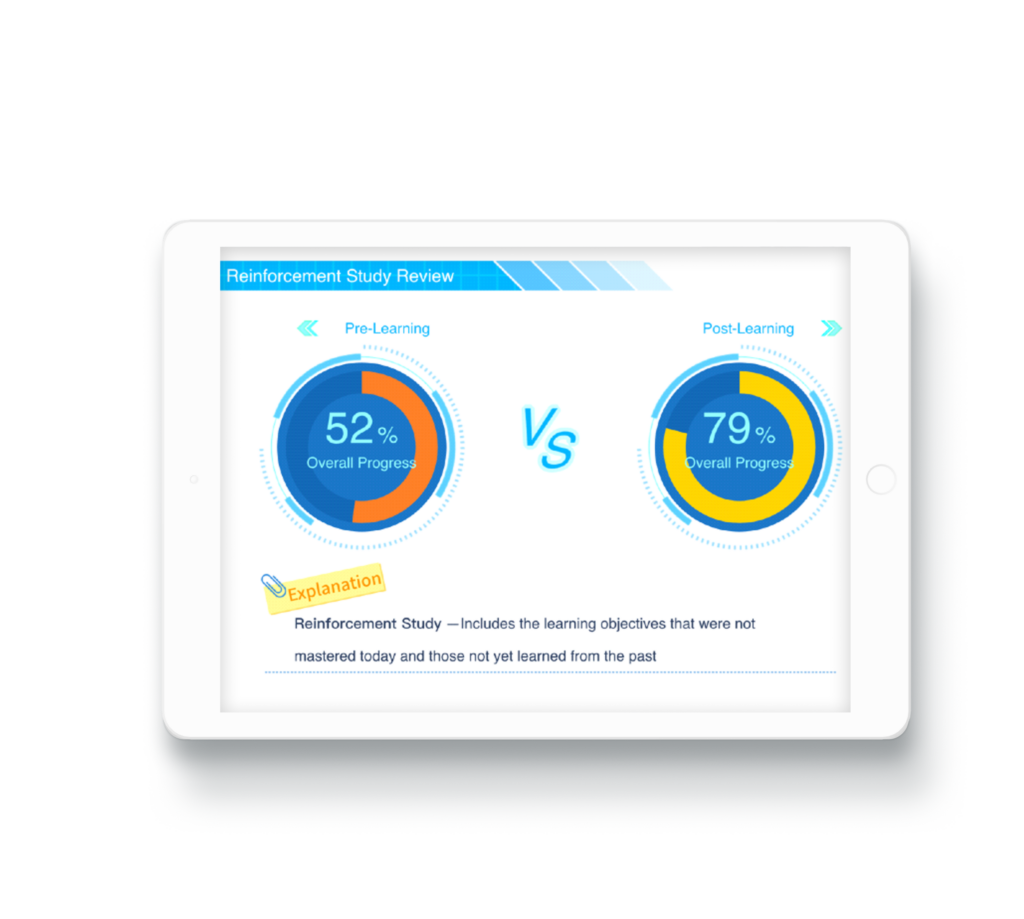
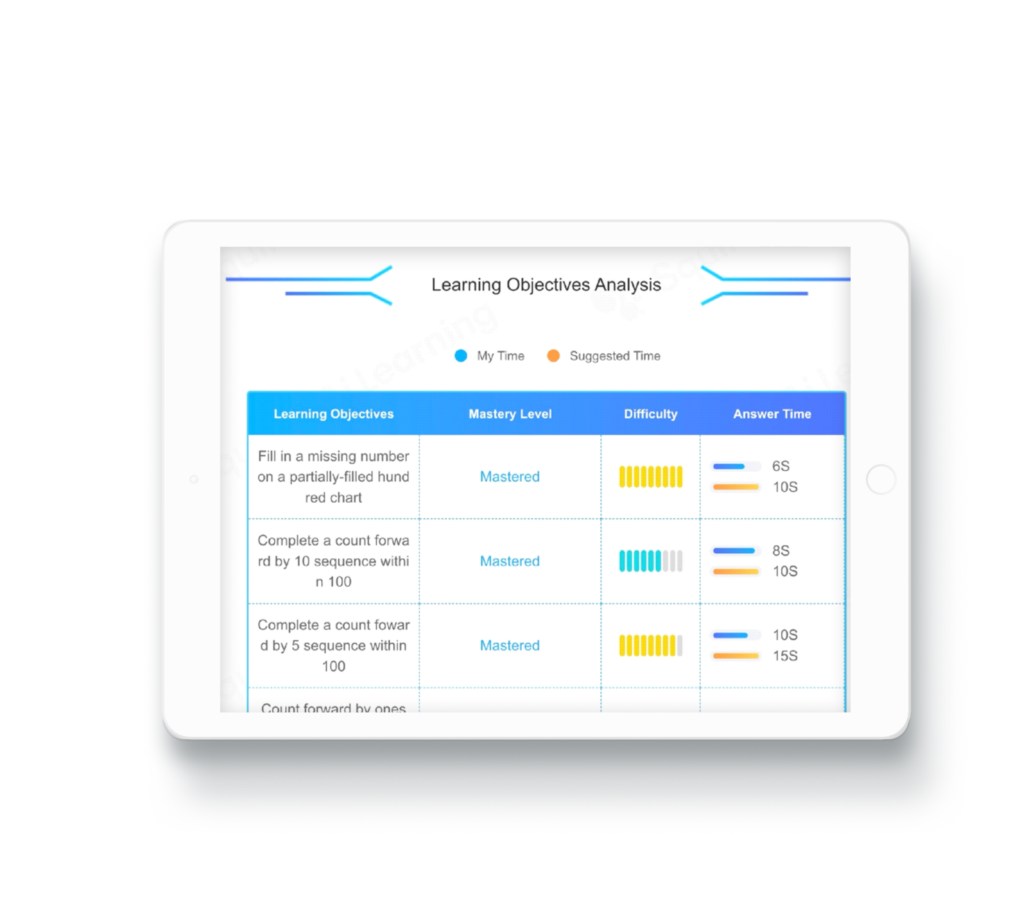
Ask how the system represents a learner. Is it a coarse progress tracker, a fine-grained skills map, or a probabilistic model that updates beliefs with each interaction? Depth matters: the granularity of the model shapes the kinds of personalization possible and the transparency teachers will require to trust recommendations.
3. Match pedagogy to adaptivity
Adaptivity should serve teaching, not disguise it. Look for systems that reflect a pedagogical stance you trust: spaced practice, mastery steps, Socratic prompts, or scaffolded problem sets. Check whether the system adapts content, feedback tone, or task sequencing, and whether those adaptations support the learning aim rather than performing surface-level changes.
4. Require clear data and privacy practices
Data fuels adaptivity. Demand clarity about what data is collected, how long it is retained, and who may access it. Prefer systems that minimize data collection to what is educationally necessary and that describe privacy measures in straightforward language. Fairness is part of design; ask whether the system’s inputs create blind spots for certain learners.

5. Consider teacher agency and workflow
Adaptivity should not remove the teacher from the loop. Evaluate how the platform surfaces insights, allows teacher overrides, and integrates into existing lesson planning. A useful system hands teachers interpretable signals and easy controls rather than inscrutable verdicts.
6. Check technical fit and integration
Assess interoperability with your ecosystem: roster sync, gradebooks, single sign-on, and content import. Confirm that the platform’s performance expectations match device availability and network conditions. A technically elegant solution that fails to integrate will remain an unused tool.
7. Define evaluation metrics early
Decide how you will judge success before rollout. Use a mix of process measures (engagement, time-on-task, fidelity of use) and outcome indicators (skill mastery, transfer tasks). Short cycles of observation and adjustment prevent long investments in misaligned systems.
8. Watch for common pitfalls
Avoid vendors that promise miraculous gains without clear mechanisms or that hide how recommendations are generated. Beware of platforms that overload dashboards with noise, or that substitute automation for teacher judgment. Simplicity and explainability beat opaque complexity when adoption and trust matter.
9. Compare practical alternatives
Not every need demands full adaptivity. Consider mastery-based sequences, curated playlists, or blended models where a human plus a basic personalization layer achieves the goal. Some vendors—including EdTech platform—present adaptive approaches; assess whether their evidence, transparency, and fit align with your aims.
Final synthesis: choosing by alignment
The right decision follows alignment: a clear aim, a learner model that supports that aim, pedagogy that the system enacts faithfully, data practices you can justify, and teacher controls you can trust. When those elements sit in balance, the choice becomes practical rather than rhetorical—whether that balance points to a bespoke stack, a lightweight personalization tool, or a platform such as Squirrel Ai depends on context and constraint. The framework reduces noise and leaves the essential question: which system lets your educational intention breathe?