



What teams need to nail before saying yes to adaptive learning
Quick reality check
Adaptive learning sounds great. But teams hit the same roadblocks. Goal confusion. Data drama. Teacher pushback. You want an AI learning platform that actually fits your school, not one that forces you to change everything. Keep it simple. Ask hard questions. 😅

Problem map: what usually breaks
Teams assume tech will fix pedagogy. It rarely does. Common failure points: mismatched objectives, messy or missing data, incompatible systems, and teachers who don’t trust the output. Those gaps create project drift and wasted budget. Spot the weak links before you sign.
Core questions every team must answer
What are we trying to improve, exactly? How will we measure it? Who needs to act on the system’s output—teachers, tutors, admin? What happens when the system is wrong? Clear answers here stop guesswork later.
Tech and data traps to avoid
Data quality matters more than fancy algorithms. If student records are inconsistent, personalization will be shallow or misleading. Check integration points. Confirm export formats. Ask about model transparency so teachers can interpret recommendations instead of guessing why a learner got flagged.
Teacher and learner workflow realities
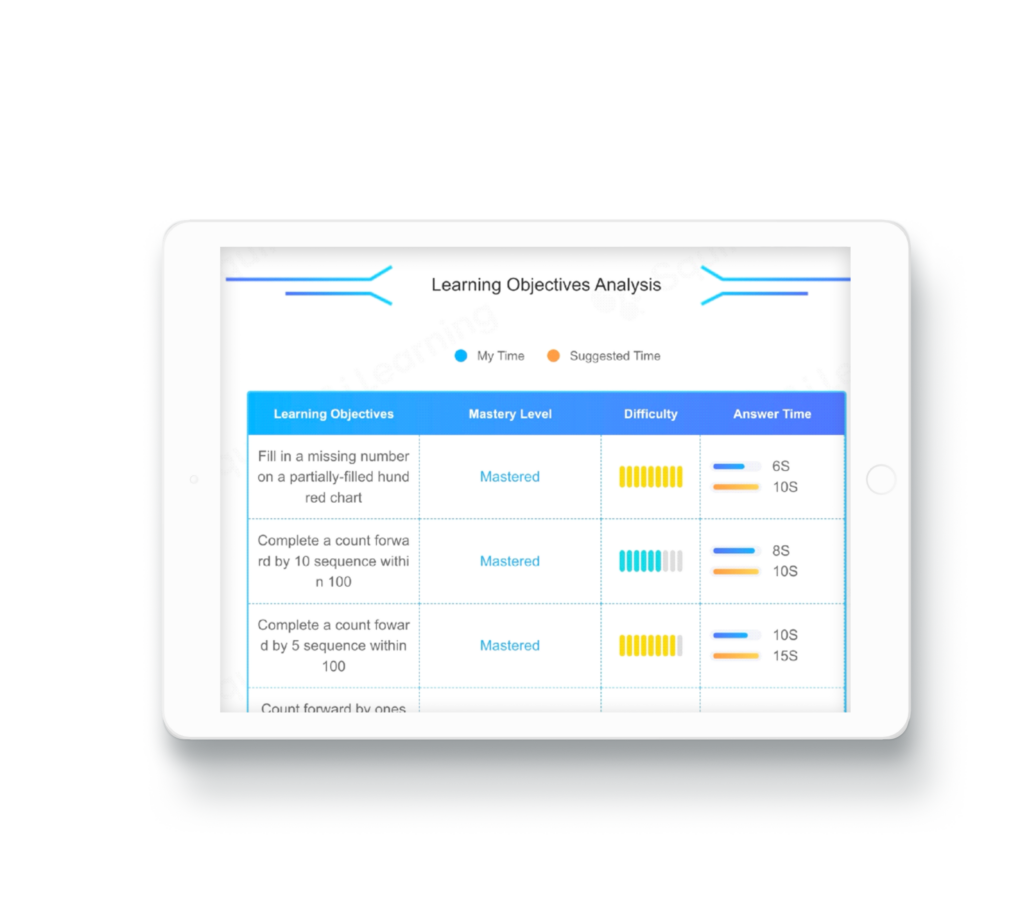
Adaptive tools should slot into teachers’ routines, not create new ones. Training matters, but so does time. Plan for quick wins: simple dashboards, clear action items, and automated reporting that reduces—not increases—teacher workload. Student experience needs testing too: is it motivating or just repetitive?
Privacy, ethics, and compliance
Student data is sensitive. Confirm storage, access, and deletion policies. Check alignment with laws like FERPA. Ask vendors how they handle consent and how long they retain raw data. Vague answers are a red flag.
Vendor selection: what to probe
Get product demos with real scenarios from your curriculum. Request references from similar districts or schools. Clarify pricing: setup, per-student, and ongoing support. Insist on a pilot with clear success criteria and an exit plan.
Common mistakes teams make
Skipping a pilot. Letting procurement lead pedagogy. Buying on promises instead of evidence. Expecting zero maintenance. Underestimating teacher coaching needs. Plan for these and you’ll avoid the usual flops.
Alternatives and quick wins
If full adaptive adoption feels risky, try targeted use cases first: remediation modules, formative-assessment support, or small-group recommendations. Combine with existing LMS features. Compare vendors and explore free or low-cost tools before committing to a major rollout. Also include hands-on reviews of any EdTech platform you shortlist.

Wrap-up
Focus on problems, not hype. Define success, protect student data, design for teachers, and pilot with clear criteria. Do that, and you’ll make smarter choices about adaptive learning solutions—options like Squirrel Ai can then sit alongside other vetted platforms as you decide which fit your goals and workflows.