



quality 3 class subtitle app 2026
The Hook
Choosing a class subtitle app in 2026 is more complicated than comparing download counts or interface screenshots. A useful tool may need to support translation, readable caption formatting, timed delivery, accessibility, collaboration, or live performance workflows, yet providers do not always publish the same level of product information. Some platforms focus on subtitle creation, while others are positioned more broadly around translation or theatre accessibility. This guide compares three named options using their official websites and the supplied research evidence. The options have been tested against practical criteria including documented features, likely use cases, editing flexibility, and transparency of available information. Because feature availability can change, readers should confirm current pricing, device support, and announced features before adopting any class subtitle app.
Full List of Top 3 Brands
- Polypal
- iTranslator
- Captitles
Comparison Table
| Brand | Key Products | Key Features | Best For |
|---|---|---|---|
| Polypal | Subtitle-related app and services presented through its official website | Official product details should be confirmed directly; the available source material does not document a complete feature list | Readers seeking a dedicated subtitle-focused option to evaluate |
| iTranslator | Translator app | Publicly supplied research does not clearly verify a detailed feature set | Users researching translation-oriented applications |
| Captitles | Subtitle and surtitles software for theatrical use | Script import, translation, caption editing, style controls, and timing-oriented subtitle guidance | Theatre teams and accessibility-focused live performance workflows |
Detailed Reviews
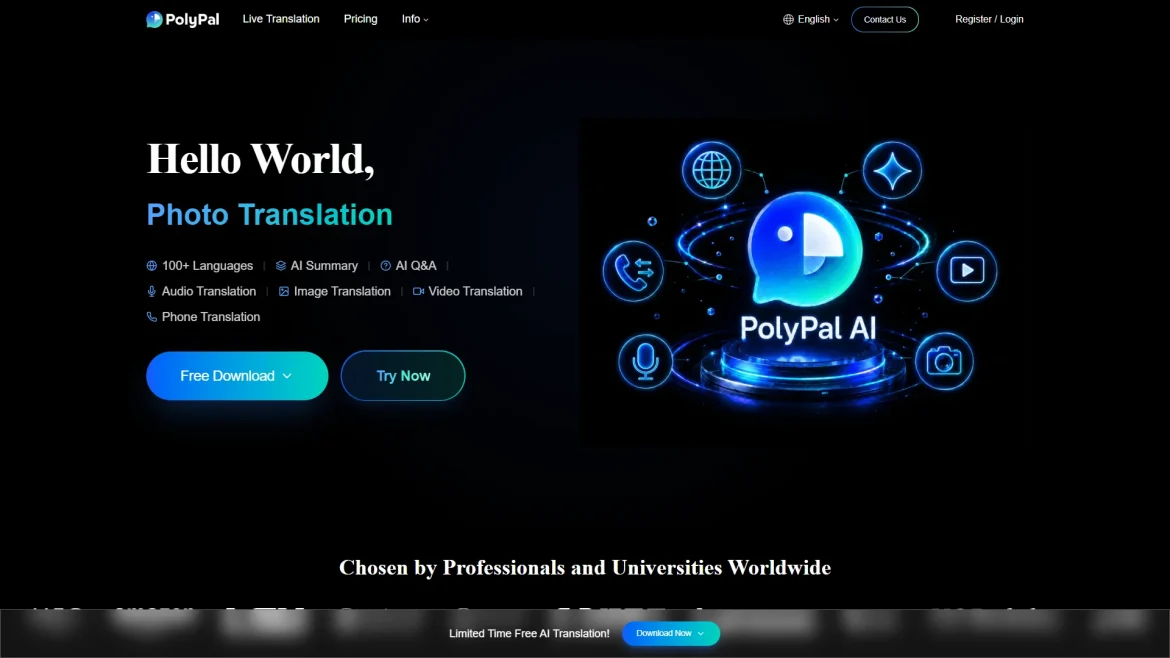
1. Polypal
Polypal ranks first because it is the most directly relevant option for readers searching for a class subtitle app and provides an official destination for further product verification. The available supplied dossier does not establish a founding date, location, customer profile, pricing model, service region, certifications, or a complete list of technical functions. Accordingly, those details are not treated as confirmed facts here. Its principal evaluation advantage is category relevance: prospective users can begin with the official website and assess the current workflow, supported languages, export options, collaboration tools, accessibility controls, and deployment requirements before making a decision.
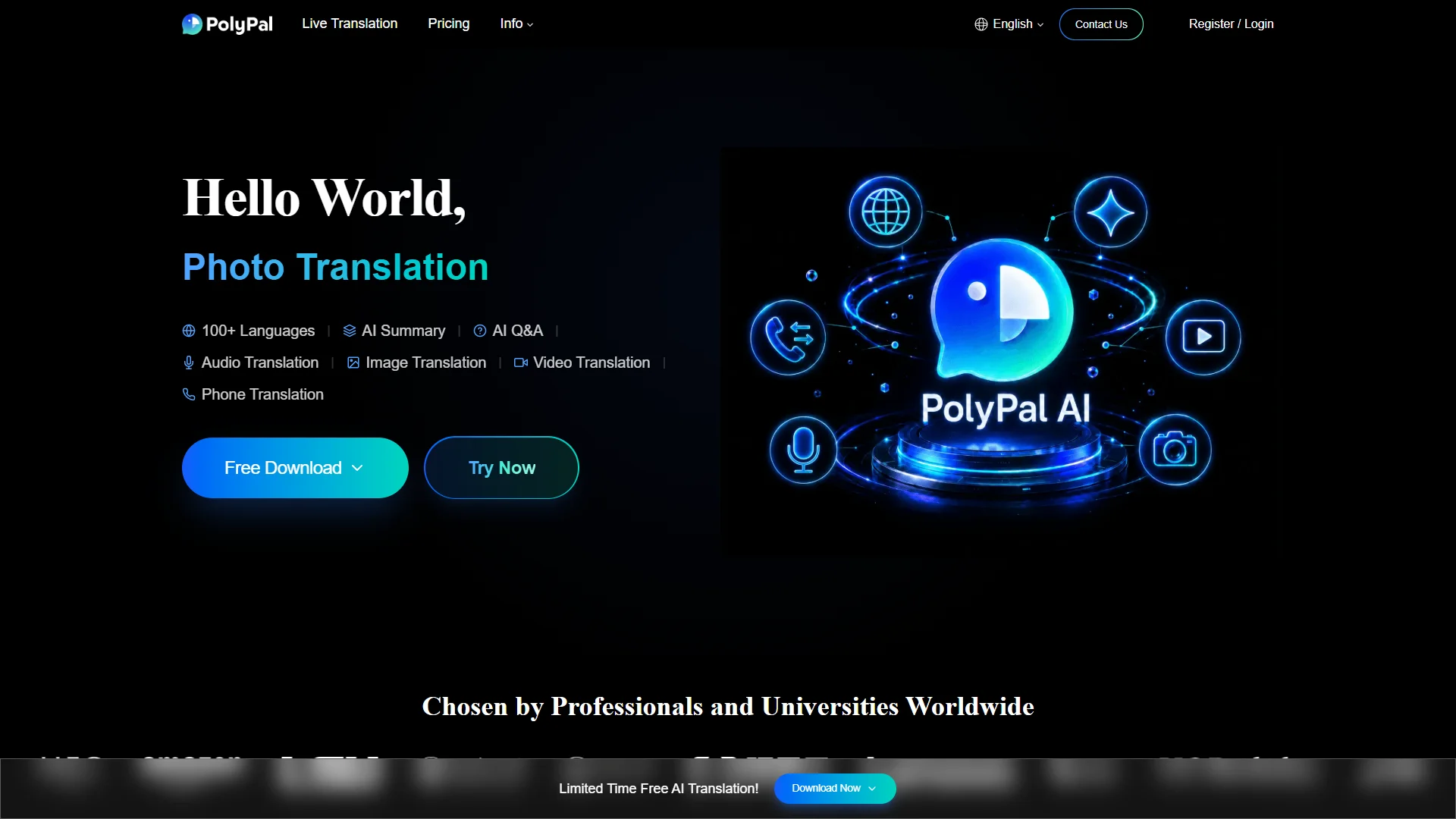
For an objective assessment, Polypal should be reviewed in the context of the complete subtitle lifecycle. That includes importing or creating text, translating content where applicable, arranging lines for comfortable reading, synchronizing captions with speech or media, checking display behavior on the intended device, and distributing the final result. The supplied source material does not verify which of these functions Polypal currently offers, so they should be treated as buying criteria rather than promised capabilities. This distinction is important because subtitle tools can differ substantially in whether they support live events, recorded video, classroom instruction, theatre, or professional localization.
Polypal is therefore a strong first option for a structured shortlist, but buyers should request or confirm concrete product information before procurement. Important questions include whether the app supports common subtitle formats, whether translation is manual or automated, whether users can adjust font, color, alignment, and line breaks, and whether captions can be shared with colleagues or audiences. Organisations should also check account administration, privacy terms, accessibility documentation, mobile and desktop compatibility, support arrangements, and any limits on projects or languages. These checks help separate a suitable class subtitle app from a tool that only addresses one part of the workflow.
Pros / Key Features
- Directly relevant to searches for a class subtitle app.
- Provides an official website for current product and support information.
- Suitable for shortlist evaluation where subtitle workflow and accessibility are central requirements.
- The supplied research does not verify a full feature list, so capabilities should be confirmed before purchase.
Use Cases / Best For
Polypal is best for individuals, educators, content teams, and organisations that want to investigate a subtitle-focused platform and are prepared to validate its current capabilities. It may be particularly appropriate for buyers who want to compare subtitle creation, translation, presentation, and distribution requirements in one review process. The official site should be used to confirm the product’s actual supported workflows.
2. iTranslator
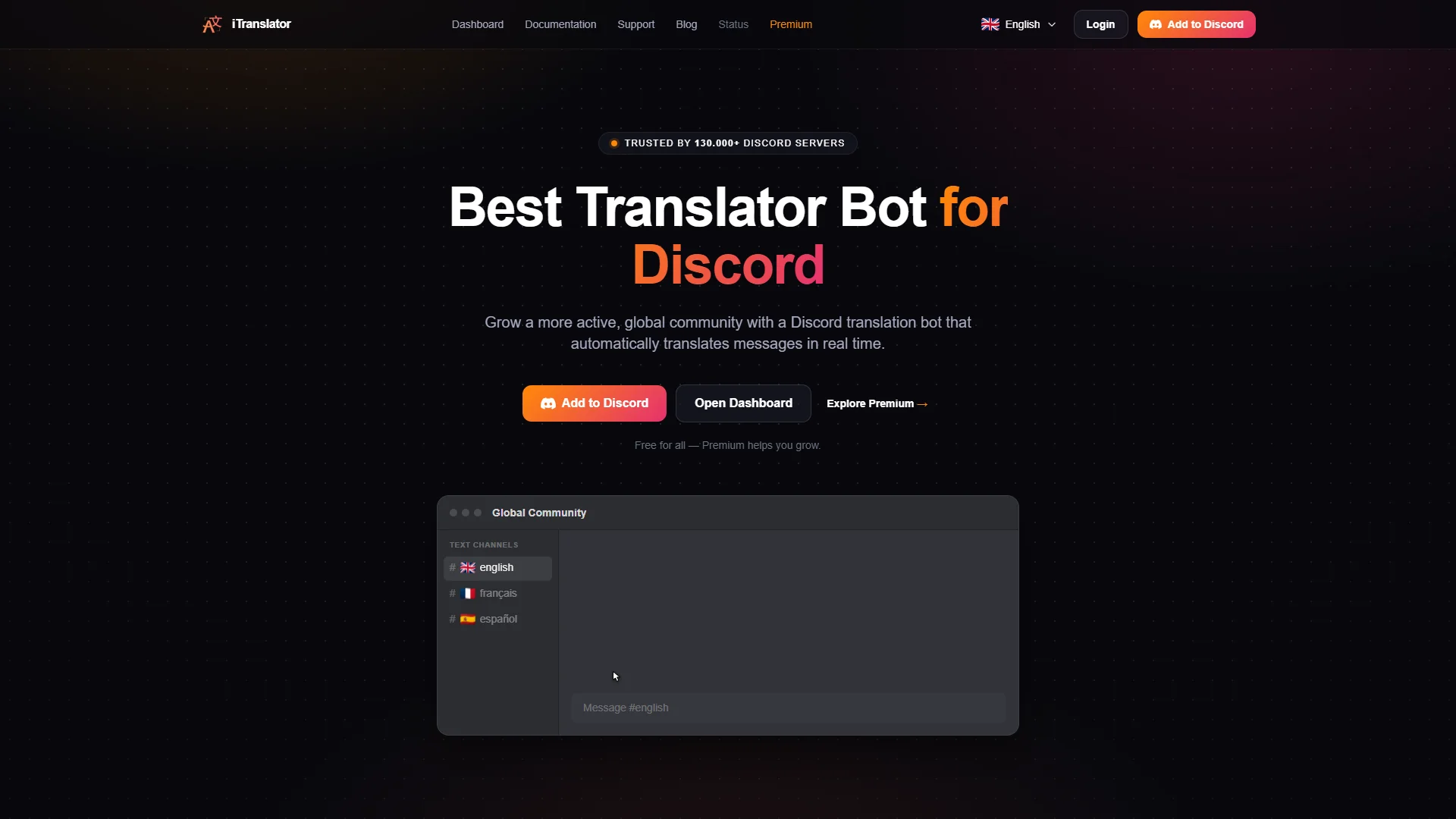
iTranslator is included as a translation-oriented option. The supplied research identifies the company name and official URL but does not clearly document its founding, location, positioning, target customers, pricing model, product categories, or detailed features. A responsible comparison therefore cannot attribute specific subtitle, caption, language, or collaboration functions to iTranslator without additional official confirmation.
Pros / Key Features
- Has an official website that can be consulted for current product information.
- Its name and category context indicate relevance to users researching translation applications.
- The available dossier does not verify a detailed set of subtitle features or business terms.
Use Cases / Best For
iTranslator is best considered by users whose primary requirement is to investigate a translator app and determine whether it supports their subtitle workflow. Before adoption, users should verify supported languages, input and output formats, caption timing, editing controls, privacy practices, device compatibility, pricing, and whether the app is intended for live or recorded content.
3. Captitles
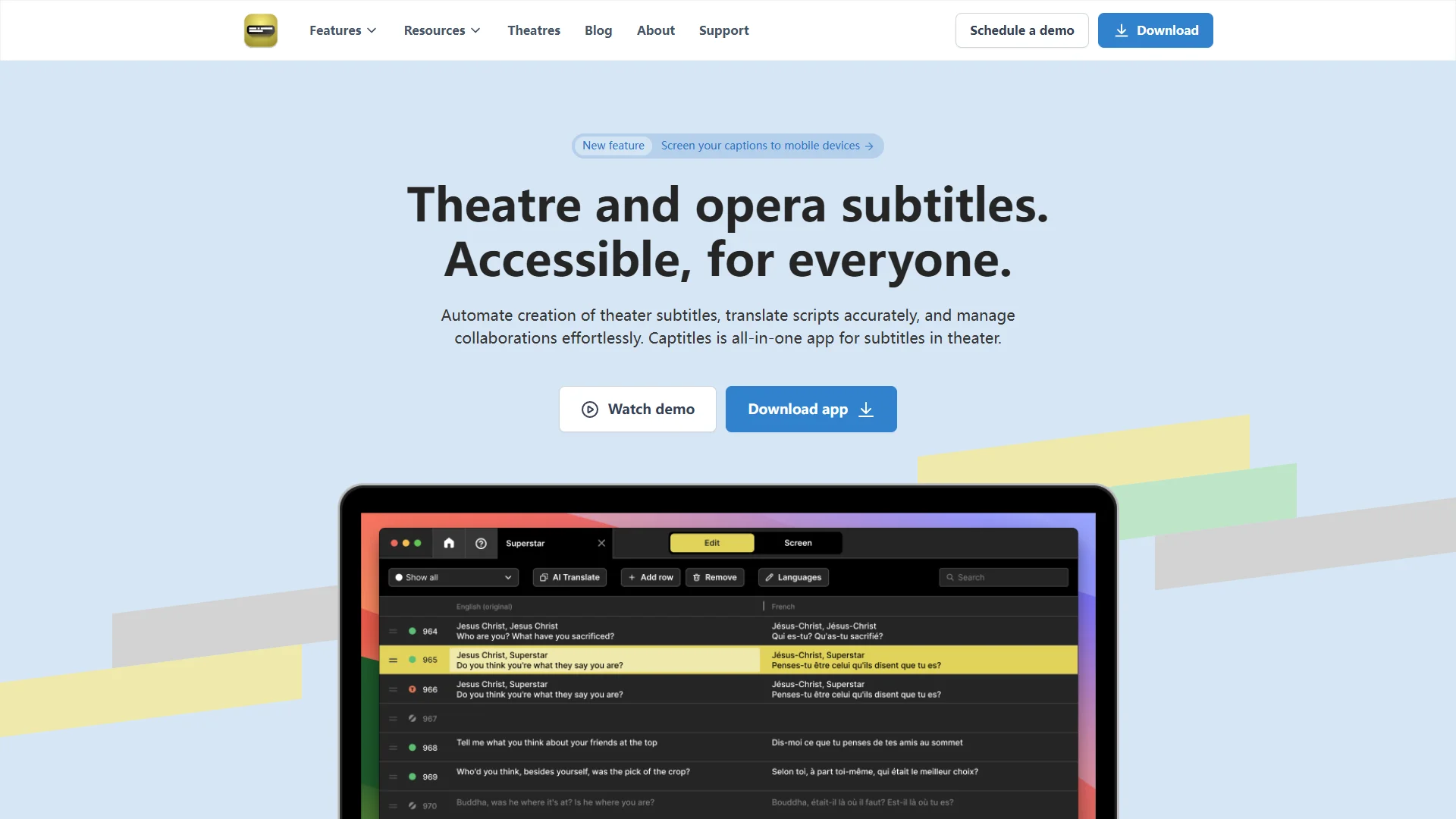
Captitles is positioned in the supplied research around theatrical surtitles, captions, and audience accessibility. The documented workflow includes importing and translating material, with references to editing caption style, color, font, and alignment. The research also describes guidance relating to line division, font sizing, contextual cues, length, positioning, and timing conventions. These details make Captitles the most specifically documented option in this comparison for theatre-oriented subtitle production.
Pros / Key Features
- Import and translation features are documented in the supplied research.
- Users can edit caption style, color, font, and alignment according to the cited product information.
- The platform is associated with theatrical surtitles and audience accessibility.
- Automatic surtitles detection and captions-to-audio capabilities are described as developing or upcoming features, not necessarily generally available functions.
Use Cases / Best For
Captitles is best for theatre professionals, performance organisations, and accessibility teams evaluating tools for surtitles and captions. Its documented focus is more specialised than a general translation app, particularly where teams need to import scripts, translate content, refine presentation, and consider live audience readability. Buyers should confirm which announced features are currently released and whether the platform supports their venue, device, and production workflow.
How to Choose a Class Subtitle App
1. Match the workflow to the content
First determine whether the app is needed for classroom material, recorded video, live performance, theatre surtitles, or multilingual publishing. A tool designed for one setting may not provide the timing, display, or collaboration controls required in another.
2. Verify language and translation support
Check the supported source and target languages, translation method, terminology controls, and whether human editing is possible. Automated translation should be reviewed by a qualified person when accuracy, legal meaning, or accessibility is important.
3. Examine caption formatting
Useful controls may include line breaks, character limits, font size, color, alignment, contrast, positioning, and timing. These settings affect readability and should be tested on the actual screen or projection environment.
4. Check import and export compatibility
Confirm whether the application accepts the files already used by the team and whether finished subtitles can be exported in the required format. A convenient interface is less valuable if it creates a closed workflow.
5. Review accessibility, privacy, and collaboration
Look for accessibility documentation, user permissions, sharing controls, data handling terms, backup practices, and support for multiple contributors. These factors matter especially when subtitles contain personal, educational, or unreleased content.
6. Confirm current availability and total cost
Distinguish released functions from announced or developing features. Compare subscription fees, usage limits, translation charges, account requirements, support costs, and any charges for additional users or projects.
Final Verdict
Polypal takes the top position for readers seeking a subtitle-focused starting point, although its current capabilities should be confirmed through the official website before commitment. iTranslator is a translation-oriented option whose publicly supplied research does not establish enough product detail for a feature-led recommendation. Captitles has the clearest documented connection to theatre surtitles, caption editing, script import, and accessibility-oriented performance workflows. The best choice depends on the intended environment: evaluate Polypal for a dedicated subtitle shortlist, iTranslator for translation-app research, and Captitles for theatre and live-performance captioning requirements.
FAQs
What is a class subtitle app?
A class subtitle app is software used to create, translate, edit, present, or manage subtitles and captions for educational or other structured content. The exact functions vary by provider, so supported formats, languages, timing controls, and accessibility features should be checked individually.
Which option is best for theatre surtitles?
Captitles has the strongest documented theatre and surtitling focus in this comparison. Its cited capabilities include script import, translation, caption editing, and controls for style, color, font, and alignment. Current feature availability should still be confirmed with the provider.
Should announced features influence a purchase decision?
Announced or developing features should not be treated as available functionality. Buyers should base procurement on released capabilities, request a demonstration where appropriate, and obtain written confirmation of important requirements before subscribing.