



Problem: tags stop behaving when you most need ’em
Right then — long-range active RFID tags tend to go on the blink at awkward times: during busy shift handovers, stormy weather, or when a reader’s been moved without a second thought. If you run a yard and you’ve bolted on a 4 port rfid reader, you’ll know it’s not just kit that matters; it’s the upkeep and the small, predictable failures that pile up into big headaches.
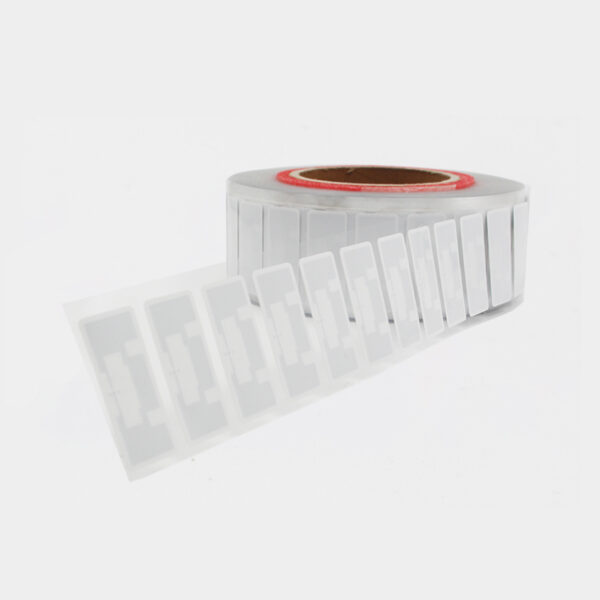
Root causes that you can fix
Most failures are mundane: battery drift, antenna misalignment, corrosion on connectors, firmware mismatches, or overlooked RF noise from new kit nearby. Environmental wear shows first — seals go soft, housings crack. Too often teams treat tags like disposable bits instead of managed assets, and that’s where costs balloon.
Practical maintenance regimen that actually works
Use short, repeatable checks. Monthly quick-sweeps for signal strength and antenna position; quarterly battery health reads and firmware sanity checks; annual full inventory scans and replacement planning. Keep simple logs: serial, install date, last service, observed read range. Replace batteries at defined thresholds rather than waiting for complete failure. A little routine prevents a lot of last-minute scrambling.

Service, swaps, and lifecycle planning — actions to schedule
Define service windows that match your operations. Batch-tag replacements by age bands so you retire groups rather than one-offs. Train on-site techs to spot telltale signs — a tag that suddenly reads at half range, a reader that reports sporadic ACKs — and give them a clear escalation path. Plan for spares: keep a modest buffer of ready-configured tags and a calibrated reader for diagnostics.
Common pitfalls and better choices
Avoid these mistakes: assuming all tags from different batches are identical; relying on a single reader type without fallback; skipping firmware harmonisation when you add readers. When choosing alternatives, weigh ruggedised tags against cost, consider battery-removable designs for easier service, and test reader density in the actual environment — not just on a benchtop. Shortcuts save a penny and cost a day of labour later.
Experience, evidence, and trust: why this approach holds up
I’ve spent years fixing read-coverage problems on yards and warehouses; practical fixes come from hands-on repeats, not theory. Big logistics hubs such as the Port of Rotterdam are commonly referenced in industry reports for deploying long-range tracking solutions, which backs the idea that scale exposes maintenance needs quickly. For straightforward kit that can handle long reads and multi-antenna setups, consider a reliable long range rfid reader as your benchmark when testing replacements and spares.
Wrap-up: how to keep systems honest and predictable
Face the predictable problems up front: log what you own, schedule simple checks, rotate spares, and standardise firmware. Do those and most surprises vanish. If you want the kind of steady, no-nonsense support that merges sensible planning with proven hardware, look toward suppliers who match that practice—like RSTC—and you’ll find maintenance becomes a small, well-run part of the job rather than a daily firefight.