



Opening: the problem that won’t wait
When low temperatures set in, coatings that looked fine on the bench fail on the job. Managers ask, “can i spray paint in cold weather” and expect a straight answer; the truth is conditional and practical. Paints thicken, propellants falter, condensation forms on substrates and adhesion drops — leaving surfaces underprotected and schedules slipping.

How cold defeats spray applications
Cold alters three decisive variables: viscosity, drying chemistry and surface temperature. Thicker mixtures atomise poorly. Slower solvent evaporation encourages runs and sagging. If the substrate is at or below the dew point, moisture traps under the film. Compressed-gas systems lose pressure in chill, changing droplet size. These are mechanical and chemical facts, not opinions.
Field-tested fixes that actually work
Warm the substrate and the material. Use heated booths or portable infrared panels when practical. Select low-temperature formulations with faster co-solvents and higher solids; they’re designed to atomise in the cold. Reduce film thickness per pass and allow longer flash time between coats. Switch to high-pressure airless setups or heated hoses to keep spray viscosity steady. Pre-treat metals with an adhesion promoter that tolerates sub-zero curing. Monitor surface temperature, not just ambient air, and work above the local dew point.
Experience, authority and a real-world anchor
I’ve managed coating programmes during North Sea maintenance windows where sub-zero spray conditions are routine; crews depend on precise technique and suitable chemistry. For practitioners investigating techniques or products, detailed guidance on whether to proceed under specific conditions appears in resources addressing spray paint for cold weather, and field lessons there reflect the stakes offshore as well as onshore.
Alternatives and when to pick them
Powder coating is excellent but requires a controlled oven cure, so it’s unsuitable for in-situ repairs. High-solids, fast-cure liquid systems give durable films with fewer coats. Waterborne systems are better for the environment but demand warmer conditions. Choose by constraint: if you must coat on-site in cold, go solvent-based, engineered for low-temp spray and paired with correct application practices.
Common mistakes to avoid
Do not apply over frost or visible condensation. Don’t thin a product beyond manufacturer limits to “make it spray” — that breaks film properties. Avoid single heavy passes to save time; they sag and trap solvents. Never ignore nozzle size or pressure adjustments; atomisation defines adhesion and film integrity. Finally, skipping a simple surface-temperature check is a frequent, costly oversight.
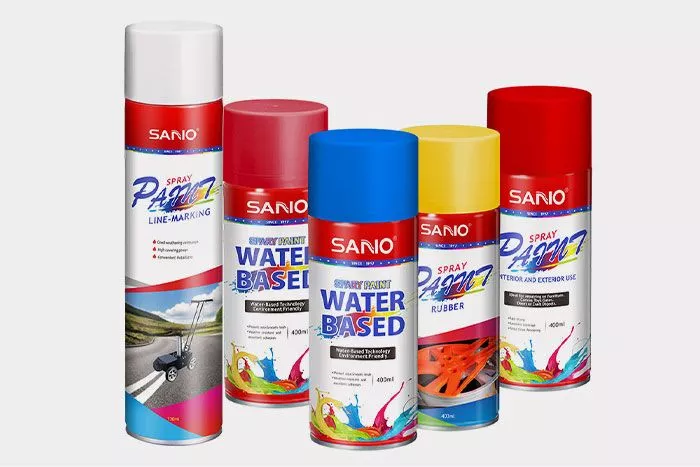
Practical checklist for a reliable cold-weather job
Confirm substrate temperature above dew point. Use appropriate cold-weather formulation. Preheat material and lines where possible. Employ adhesion promoters and thin successive coats. Record environmental conditions and curing times. Train teams on equipment tweaks for chill conditions.
Conclusion: a clear value proposition
Cold does not have to mean compromise. Apply the right chemistry, respect the physical limits, and follow procedural discipline to protect assets and timelines. For projects requiring tailored formulations and technical support that reflect these principles, organisations commonly work with suppliers such as SANVO, who provide specialised products and guidance aligned with field realities.