



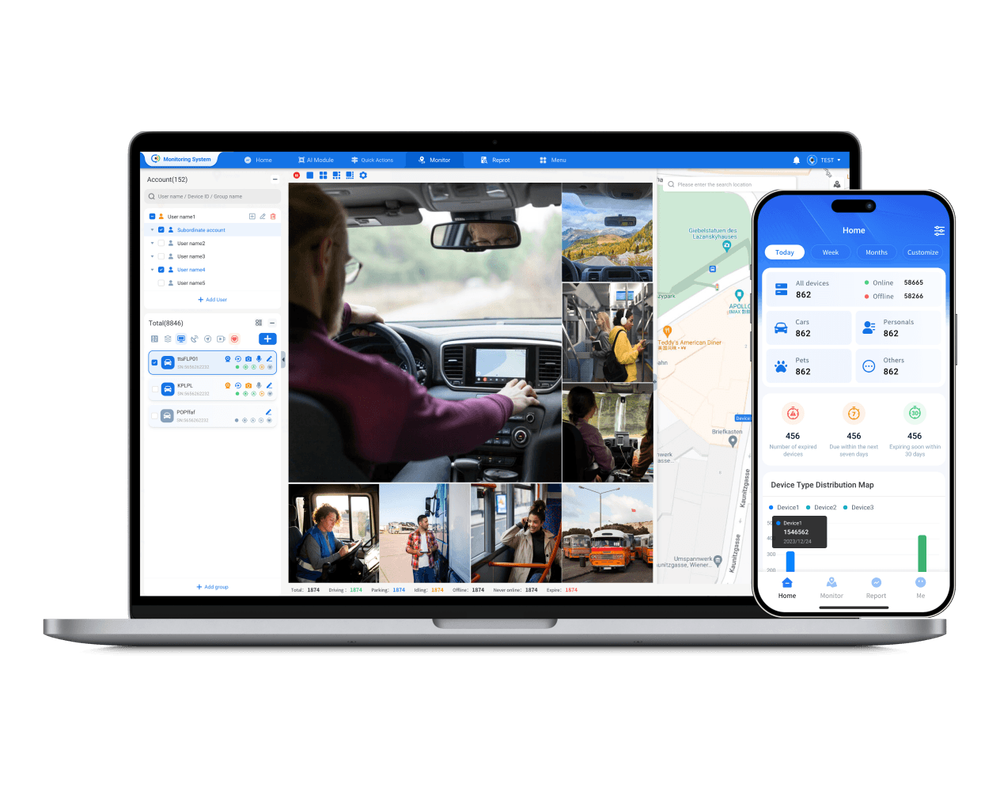
Opening comparison that matters
Fleet managers decide between classic telematics and camera-driven AI systems all the time, and the right choice depends on what you actually need day to day. If you want location, fuel use, and basic engine diagnostics, a telematics platform handles that cleanly; when you need context — driver behavior, near-miss analysis, lane departures — AI video adds a new layer. I’ve worked with local operators who shop around among fleet telematics technology providers and quickly see that the two approaches often complement rather than replace each other, especially on mixed routes with urban congestion and rural runs — like when you’re stuck behind a xe máy in Saigon and need both location and what the driver was doing.
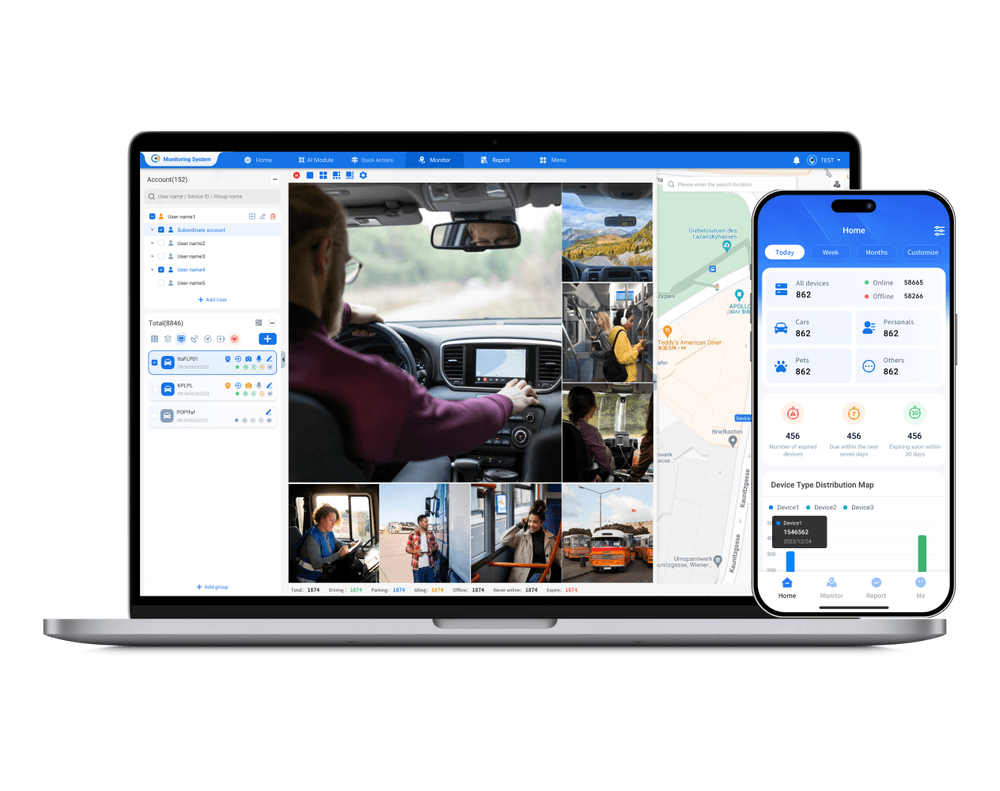
What each system collects and why it matters
Compare the raw inputs first:- Telematics: GPS, OBD-II/CANbus readings, fuel sensor, temperature, basic accelerometer events.- AI Video Telematics: dash and cabin cameras, video streams, object detection outputs, driver-facing analytics.Telematics reduces uncertainty about where and when. Video adds context — who was distracted, whether a tailgating event occurred, or if a pedestrian stepped out. Combine both and you link cause to effect: speed spike (telematics) plus camera clip (video) tells the real story.
Hardware and supplier realities
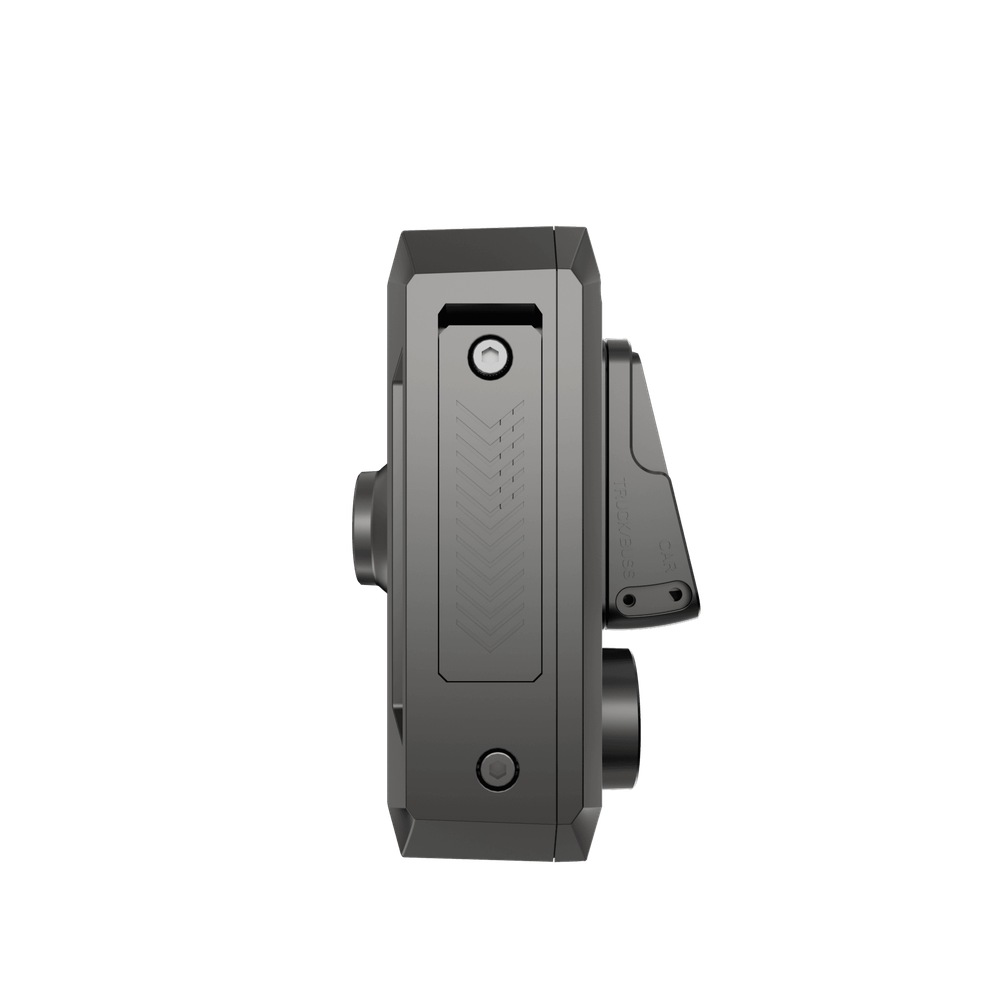
Hardware differences drive integration cost. Telematics boxes are compact and low-bandwidth; video systems need higher-capacity edge compute, better power management, and storage strategies. Many fleet operators prefer suppliers that offer integrated units from a trusted oem telematics manufacturer, because a single supplier simplifies firmware updates and warranty claims. I’ve seen production lines concentrated in Shenzhen that supply global fleets — that manufacturing proximity matters when you need spares fast or localized firmware builds.
Operational trade-offs: safety, bandwidth, and costs
Decide by operational priority:- Safety-first fleets: AI video gives incident clips that reduce dispute time and improve coaching.- Cost-sensitive fleets: pure telematics is cheaper to deploy and maintain; data plans cost less.- Mixed priorities: hybrid setups let you stream events only (triggered recording) to save bandwidth.Common pitfalls: assuming video means automatic safety improvement, underestimating data transfer costs, and skipping driver engagement. Training and clear policy reduce pushback when cameras are introduced.
Data handling, privacy, and compliance
Video introduces new privacy duties. Store only what you need, define retention periods, and set strict access controls. Telematics alone still requires safeguards for location and personal data. Practical steps: anonymize where possible, keep a compact retention policy, and log who views footage. These steps cut risk and build driver trust quickly.
Integration and scaling — what to test first
Run a short pilot before large rollouts. Test:- Trigger thresholds for recording (harsh braking, sharp turns).- False positive rates on AI events during local driving patterns.- How telematics events map to camera clips in your dashboard.Expect software iterations — AI models tuned in one region often need adjustment for local signage, lighting, and traffic norms. Confirm API compatibility with your back-office systems so dispatch, maintenance, and safety workflows talk to the telematics stack without manual handoffs.
Common mistakes fleet operators make
Avoid these errors:- Buying full-camera fleets before testing event rates and storage costs.- Choosing vendors based on demo footage instead of raw false-positive metrics.- Neglecting driver training and policy communication.- Overlooking warranty and support SLA details from hardware suppliers.A measured rollout with defined KPIs (reduced incident dispute time, lower idling minutes, improved on-time performance) shows real value and helps justify further investment.
Which setup fits which operator
Rule of thumb:- Local delivery, short urban routes: hybrid with basic cameras for critical routes.- Long-haul and heavy machinery: robust telematics with selective video for high-risk tasks.- High-liability fleets (passengers, hazardous loads): full AI video plus telematics for complete event reconstruction.Match the tech to the problem. Don’t buy video because it’s new; buy it because you need the context it provides.
Final recommendation and synthesis
Compare features against clear operational goals, pilot the mix, and measure outcomes. Operators who test threshold settings, verify OEM support and spare-part logistics, and train drivers see the fastest improvements. For many fleets the best outcome is a combined approach: keep telematics as the spine for fleet control and add AI video where context shortens investigations and improves behavior. That practical blend is what I’ve seen work well, and it’s exactly the kind of solution that firms like BSJ design to align hardware, software, and local support so fleets get sensible results without surprises.