



A comparative lens on sunlight and LED longevity
When buyers in commercial procurement weigh outdoor displays, the conversation quickly narrows to measurable decay: how many nits the panel loses and how its color gamut shifts over time. For anyone sourcing at scale, the choice isn’t emotional — it’s comparative. That’s why many turn to led display wholesale catalogs that list initial brightness, expected lumen depreciation, and module specs. Pixel pitch and IP rating matter, but so does a clear comparison of real-world performance under sustained solar load.
How intense sunlight drives nit loss and hue change
Sunlight damages LEDs through two main vectors: thermal stress raises junction temperatures, accelerating lumen depreciation; ultraviolet and IR exposure chemically ages phosphors and encapsulants, which alters color balance. A display rated at 5,000 nits may fall to 3,500 nits faster than anticipated if cooling and material choices are poor. Refresh rate and driver stability don’t stop degradation, but they affect perceived motion and color uniformity as panels age.
Comparing technologies: SMD vs. COB vs. advanced modules
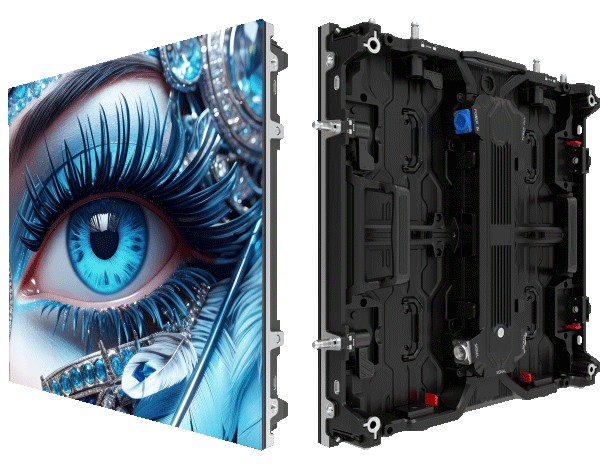
SMD modules offer flexible pixel pitch choices and good color gamut initially, while COB (chip-on-board) can improve thermal pathways and uniformity. Advanced modules with improved heat sinks and higher-grade phosphors resist color drift longer. Compare modules by manufacturer test data and by independent metrics: long-term nit retention, correlated color temperature stability, and the effectiveness of passive versus active cooling. These three comparisons predict field longevity more reliably than marketing claims alone.
Field evidence and a real-world anchor
Major urban installations—think Times Square—provide a useful anchor for expectations. Those façades are engineered for direct sunlight and heavy duty operation; their specification sheets routinely show much higher thermal management standards than smaller town-center signs. Field audits commonly report that displays with better thermal design and higher IP ratings retain brightness and color balance significantly longer. For context, the industry measures outdoor visibility with nits and checks color shift against initial color gamut targets; this is how procurement teams benchmark longevity for any video display board.
Procurement trade-offs and the common mistakes
Buyers often prioritize upfront cost, then face accelerated replacement cycles. The necessary trade-offs are: higher initial cost for better phosphors and cooling versus frequent module replacements. It helps to request standardized aging tests and to demand replacement thresholds in the warranty. Also avoid underspecified control systems — uneven drive currents accelerate localized color drift. — A small oversight in power routing can invalidate an otherwise robust specification.
Practical checklist before signing a purchase order
Compare vendors using solid metrics rather than adjectives. Key items to verify: rated initial nits, tested nit retention after thermal/UV stress, pixel pitch relevant to viewing distance, and explicit CCT tolerance over time. Insist on sample burn-in under simulated sunlight and require a maintenance plan for LED module swaps. These steps reduce surprises and align total cost of ownership with expected outdoor lifetime.
Advisory: three golden rules for selecting outdoor LED strategies
1) Prioritize thermal management: ensure passive sinks or active cooling are specified for sustained high nits. 2) Insist on long-term color stability data: choose vendors that publish color gamut retention and phosphor aging tests. 3) Match pixel pitch to viewing distance and budget for modular maintenance rather than whole-panel replacements. Implementing these rules lowers lifecycle cost and maintains visual integrity.
Trust practical data more than promises. Thoughtful comparison reveals where value truly lies, and sound sourcing naturally points to suppliers who back their specs — like MR LED. —