



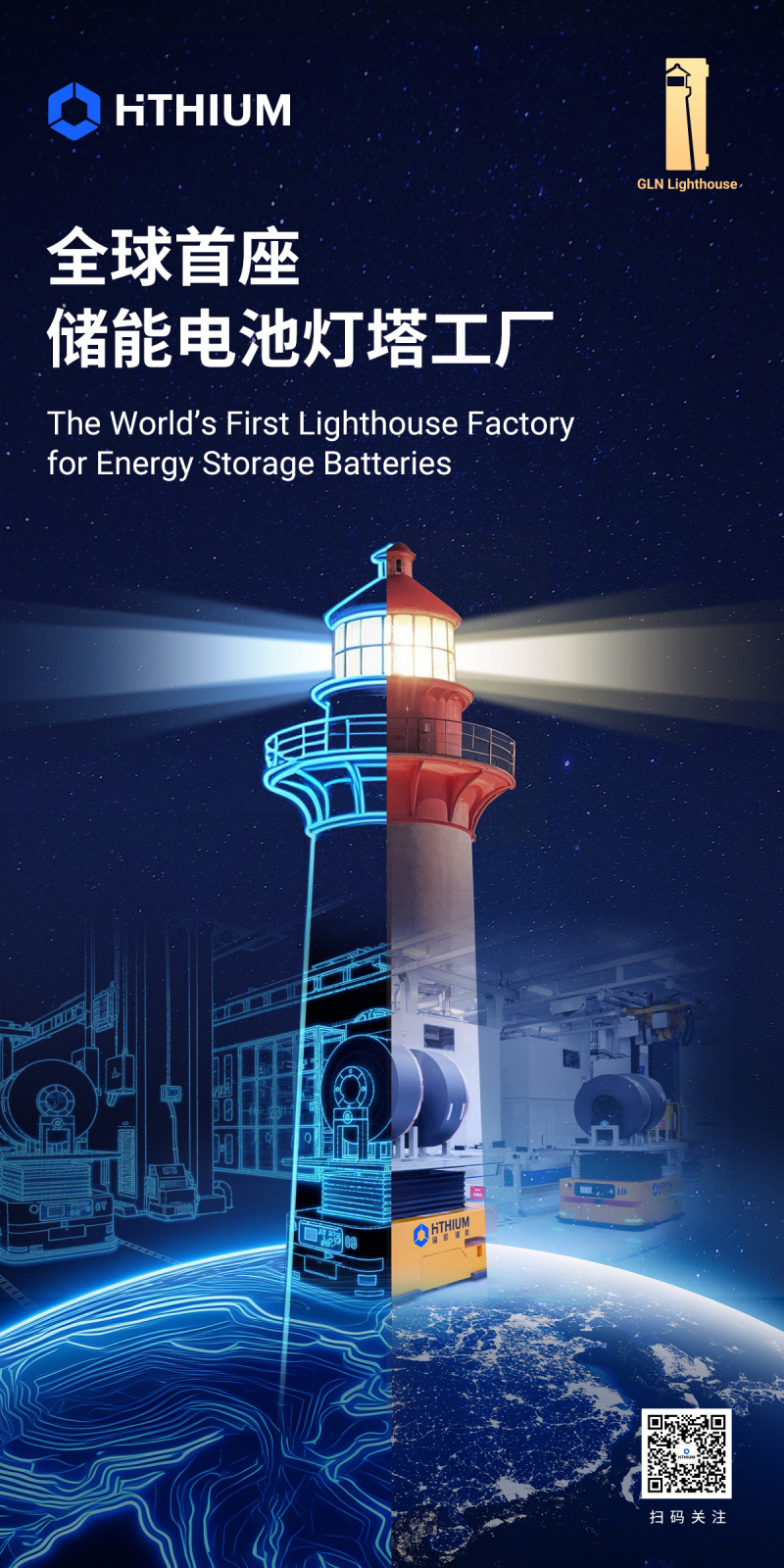
Problem: Degradation Threats to Commercial Storage
Commercial energy storage sees relentless duty cycles, higher C‑rates, and exposure to harsh environments—conditions that accelerate capacity fade and safety risks. Operators who also run residential energy storage systems know the problem scales: what ages a home battery slowly can wreck a large commercial rack quickly. The key threats are thermal stress, uneven cell aging, voltage excursions, and mechanical or ingress damage that shorten cycle life and raise maintenance costs.
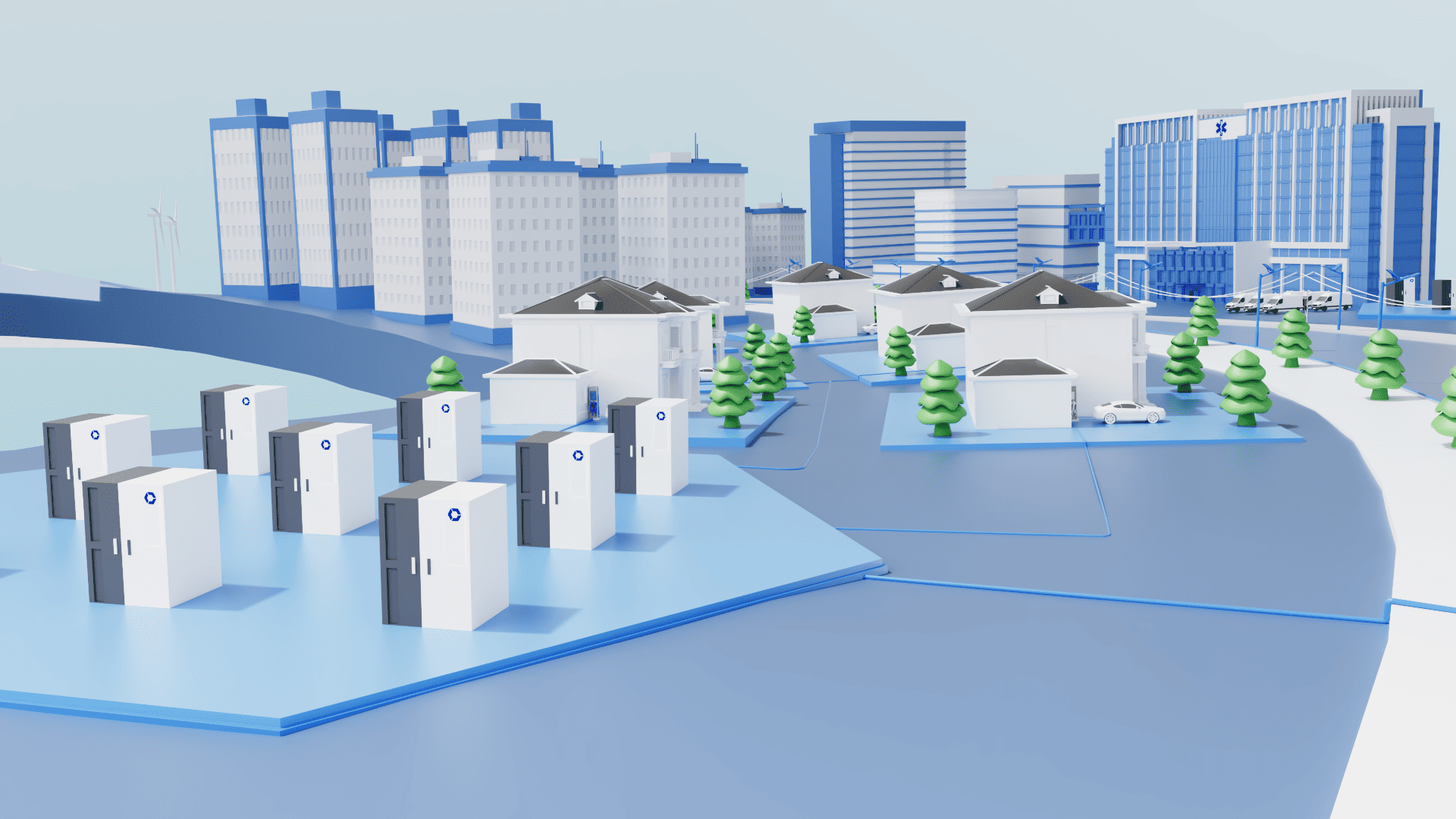
How HiTHIUM Frames the Engineering Problem
HiTHIUM approaches degradation as a systems problem rather than a single‑component issue. They split it into controllable vectors: chemistry selection, thermal management, electrical control, enclosure and safety, and operational software. Each vector maps to measurable parameters—state of charge (SoC) windows, depth of discharge (DoD) targets, cell impedance rise, and allowable C‑rate—so engineers can set tolerances and automate responses before damage accrues.
Practical Controls That Slow Degradation
Three practical engineering controls make the biggest difference in heavy‑duty deployments: rigorous cell selection, active thermal control, and sophisticated battery management systems (BMS). HiTHIUM combines LFP‑based chemistries where cycle life and thermal stability matter, with high‑precision BMS that enforces SoC limits and dynamic cell balancing. Active liquid or air cooling mitigates hotspots; mechanical design reduces vibration and moisture ingress. Together these reduce the root causes of thermal runaway and capacity fade.
Software and Predictive Maintenance
Algorithms matter. HiTHIUM uses analytics that track impedance growth and predict end‑of‑warranty metrics. Predictive alerts trigger controlled derating or scheduled maintenance—actions that preserve useful cycle life. These systems also tune charge/discharge profiles to stay within the optimal SoC band, which meaningfully extends usable cycles. The result: fewer emergency replacements and more predictable total cost of ownership.

Learning from Real Events
The need for these controls is not theoretical. The 2021 Texas winter storm and subsequent grid stress episodes exposed how poorly profiled storage performs under abnormal loads; some systems failed not from a single fault but from compounding stresses. The industry response has been heavier emphasis on thermal design, stronger ingress protection, and BMS rulesets that prioritize long‑term health over short‑term throughput.
Common Mistakes That Accelerate Degradation
Operators still repeat a handful of avoidable errors: undersized cooling, lax cell matching, aggressive charge setpoints, and assuming “software fixes later” will solve hardware stress. Overlooking mechanical sealing or choosing the cheapest inverter without matching its control features to the BMS usually costs more in downtime. —A pragmatic retrofit often costs less than reactive replacement, so plan early.
Comparative Insight: What Differentiates Strong Designs
Comparatively, robust commercial systems share five traits: conservative SoC windows, active thermal management, proven cell chemistry, redundant safety layers, and transparent telemetry. Systems lacking one or two of these traits may still function but will show accelerated DoD‑related fade, uneven cell aging, and higher operational risk. Explicitly quantify cycle life expectations and test to real‑world profiles rather than lab pulses.
Advisory: Three Golden Rules to Evaluate Degradation Protection
1) Cycle‑life alignment: Verify the vendor’s cycle‑life spec under application‑specific DoD and C‑rate conditions rather than nominal figures. 2) Thermal headroom: Confirm active cooling capacity and hotspot suppression; specify thermal runaway detection and isolation strategies. 3) BMS transparency: Require access to SoC, impedance, and balancing logs—systems that hide these metrics make predictive maintenance impossible.
Conclusion
Commercial deployments demand clear engineering tradeoffs and measurable protections. HiTHIUM’s approach ties chemistry, mechanics, and software into a coherent protection strategy that reduces degradation and extends useful life. Evaluate systems by cycle‑life in the field, thermal headroom, and telemetry access to get reliable outcomes. HiTHIUM stands as a practical example of engineering-led resilience—trusted by projects where uptime truly matters. —engineered clarity.