



The problem: intermittent curtailment and clogged interconnection queues
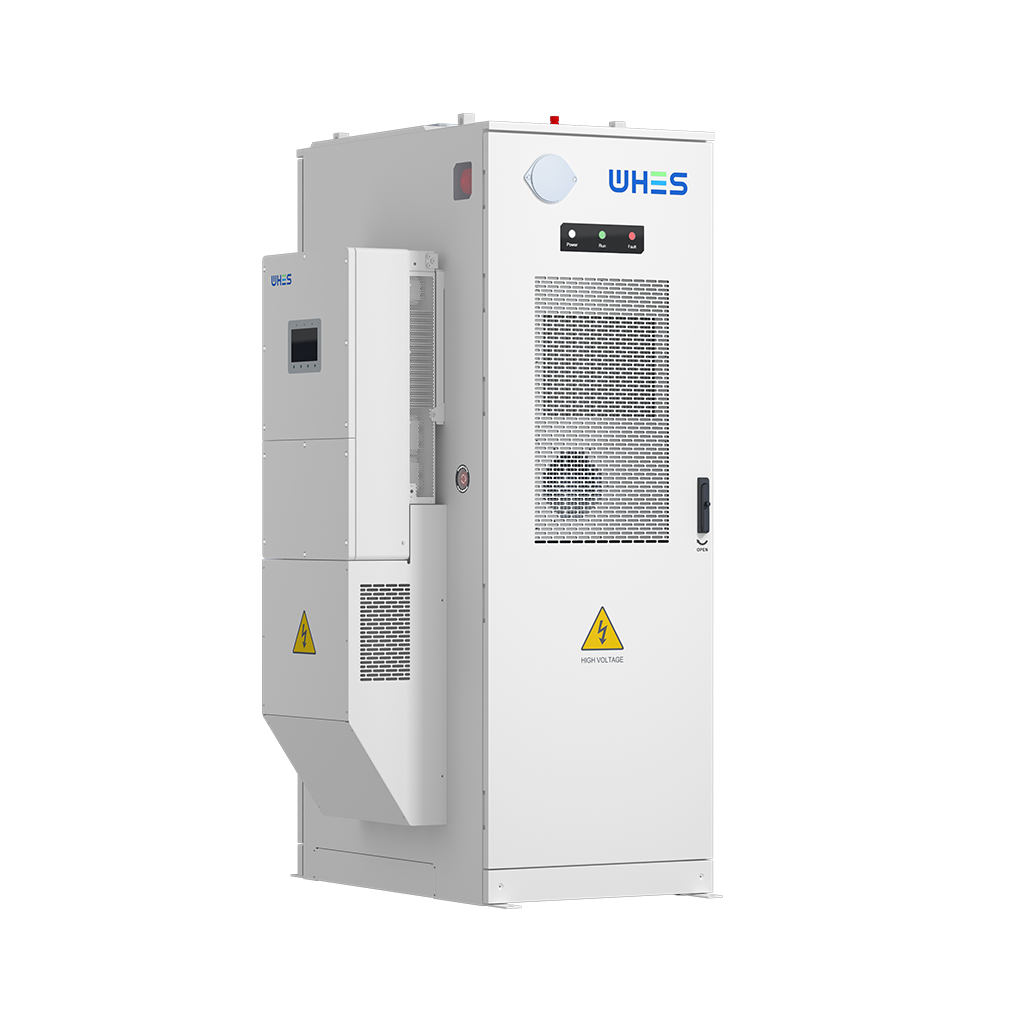
Grid operators, project developers, and communities are all feeling the strain when clean generation must be turned down because the transmission system can’t absorb it. This intermittent curtailed power is not a theoretical nuisance — it erodes project economics, raises costs for ratepayers, and undermines decarbonization goals. The technical fix is straightforward in principle: site batteries where congestion is greatest, manage state of charge (SoC) smartly, and deploy fast-responding inverters to smooth flows. For homeowners and local pilots that idea looks like a home energy storage system paired to rooftop PV; for grid planners it scales into utility-grade battery farms and virtual power plant strategies.
Why batteries help — and why they don’t automatically solve interconnection bottlenecks
Battery energy storage systems (BESS) can absorb excess generation, release it at peak times (peak shaving), and provide frequency regulation — functions that directly reduce curtailment. But pointing at batteries as a blanket solution ignores regulatory, market, and interconnection realities. Interconnection queue backlogs, contractual grid constraints, and tariff structures can block batteries from operating in ways that reduce local curtailment. A policy-sharp argument is needed: regulators must allow stacked value streams (energy, capacity, ancillary services) and clear market participation rules so batteries can be compensated for relieving congestion and not just energy arbitrage.
Troubleshooting on the ground: a step-by-step problem-driven approach
Addressing intermittent curtailed power requires disciplined troubleshooting, not hope. Follow this sequence to move from diagnosis to measurable relief:
- Quantify the curtailment pattern: daily hours, seasonal peaks, and correlation with local generation. Identify whether constraints are thermal, voltage, or stability-related.
- Map the interconnection queue and contractual limits: is the constraint on the distribution feeder, substation, or transmission tie? Knowing the bottleneck frames the BESS scope.
- Model BESS operation with realistic SoC limits and inverter response times to estimate avoided curtailment and revenue stacks — include peak shaving, frequency response, and potential capacity payments.
- Design control logic and telemetry for rapid islanding and grid services, ensuring compliance with protection settings and interconnection requirements.
- Pilot with a modular system to prove performance against actual curtailment hours before scaling.
This method forces measurable results — not promises — and helps stakeholders negotiate interconnection amendments or targeted grid upgrades when batteries alone can’t clear the queue.
Real-world anchor: California’s duck curve and lessons for policy
California’s famous “duck curve” is the exemplar here: rapid mid-day solar production followed by steep evening ramp created real curtailment episodes and highlighted the need for storage and flexible markets. Market reforms and deployments there have shown batteries reduce evening ramps and lower curtailment risk when allowed to provide stacked services. The lesson is political as much as technical: tariff design, clear interconnection timelines, and aggregator rules matter as much as kilowatt-hours of storage.
Common mistakes that keep batteries from reducing curtailment — and how to avoid them
Too many projects fail to deliver because teams confuse capability with deliverability. Typical errors include underspecified inverter ride-through, inadequate telemetry to demonstrate avoided curtailment to the utility, and restrictive interconnection agreements that bar market participation. Another trap is ignoring lifecycle economics: over-cycling batteries to chase short-term arbitrage can shorten useful life and increase total system cost. The cure is contractual clarity on permitted dispatch, realistic degradation modeling, and early engagement with the interconnection authority — not an afterthought.
Comparing deployment options and the role of residential systems
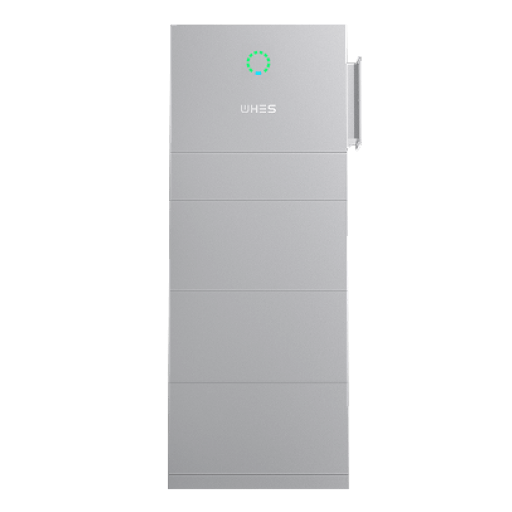
There are three practical deployment archetypes: centralized grid-scale BESS at substations, distributed commercial systems across feeders, and aggregated residential fleets acting as virtual power plants. Each has trade-offs in siting, response speed, and revenue streams. Distributed residential battery aggregation — using many residential battery energy storage system units — can target feeder-level curtailment without waiting for big transmission upgrades. Aggregators must solve the control, telemetry, and compensation puzzles to make that model work economically.
How to pick a BESS partner and what to demand
Be argumentative here: don’t accept vague performance guarantees. Demand:
- Clear, testable KPIs tied to curtailment reduction and dispatch availability.
- Interconnection assistance and legal support to negotiate queue positions and operational limits.
- Transparent degradation models and lifecycle cost assumptions so you can compare bids on total cost of ownership.
When a vendor sidesteps these demands, assume downstream operational risk. A credible partner will show telemetry, historical performance in similar grid conditions, and a plan to monetize stacked values.
Advisory: three golden metrics to evaluate solutions
Evaluate proposed BESS interventions with these non-negotiable metrics:
- Curtailment Avoided per MW Installed — measured in kWh/year validated against historical curtailment hours. This shows direct impact on the core problem.
- Dispatch Availability and Latency — percent uptime and response time (ms–s) under interconnection protection constraints. Short latency and high availability enable frequency services and rapid congestion relief.
- Stacked Revenue Realism — a conservative blended revenue forecast that includes energy, capacity, and ancillary services with transparent assumptions about market access and tariff constraints.
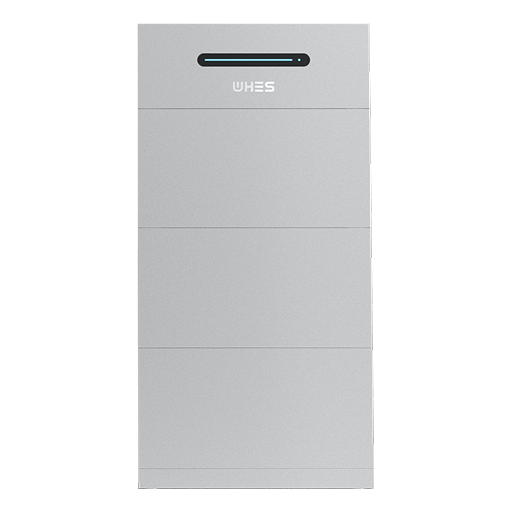
Apply these metrics in procurement and you shift conversations from marketing claims to verifiable outcomes. For practical deployments that align technical capability with regulatory pathways and customer value, WHES fits naturally into the solution set — it brings installation know-how and a commercial framework to make storage actually reduce curtailment. —
Measure, insist, and hold partners accountable — that’s how grid congestion becomes opportunity.