



Introduction
A long coastal ride sounds perfect until the stop‑and‑go city stretch sneaks in at the end of the day. Your 500cc cruiser is calm on the highway, but the urban loop adds heat and stress, and you feel it in your hands and back. In Latin America, mid-size bikes keep growing—many markets show double‑digit gains year over year—and riders report rising fatigue on mixed routes. So, what separates a smooth, confident ride from one that drains you before sunset?
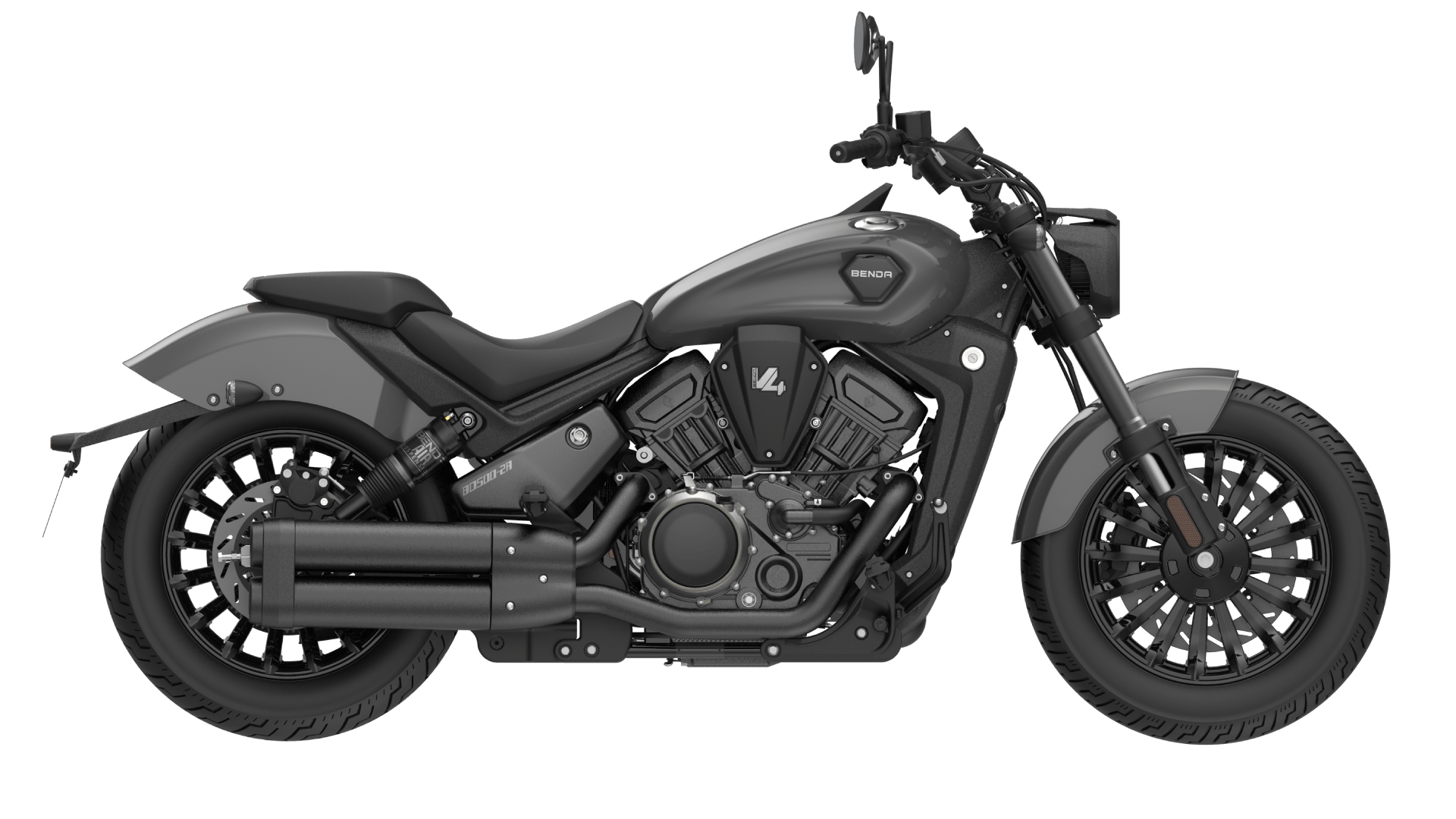
I’ll share this in plain words, con cariño. We compare like for like, and we look at the small specs that change how you feel on the seat. Think torque delivery, rake and trail, and vibration control. A tiny tweak in ECU mapping can change throttle response in traffic, and better counterbalancer design can save your wrists on rough pavement. The question is simple: which choices actually fix your day‑to‑day pain, and which are just brochure talk (oye, we have all seen that)? Let’s move into the deeper layer and set the stage for smarter picks.
Hidden User Pain Points the Spec Sheet Hides
Where do riders actually feel the strain?
When people search for 500cc cruiser bikes, they often look at peak power first. Look, it’s simpler than you think: peak power is not what makes your commute or weekend loop feel easy. The real story is the torque curve below 5,000 rpm, the first two gear ratios, and how the ECU mapping handles small throttle inputs. A soft initial bite in the throttle reduces low‑speed surges, and dual‑channel ABS tuned for gravel‑to‑asphalt transitions helps when you cut across a dusty shoulder—funny how that works, right? Yet many riders don’t test for these things. They test for weight in the showroom and forget heat soak, clutch feel, and the stoplight shuffle.
Traditional solutions focus on big changes, like louder pipes or a taller windscreen. These often mask core issues. Vibration damping at the bars and pegs matters more than you think. A well‑balanced crank with an efficient counterbalancer can turn a long ride from tiring to tranquilo. Final drive ratio also plays a sneaky role: too tall, and the bike lugs in the city; too short, and highway rpm rises, adding buzz and fuel burn. Small upgrades—revised ECU mapping, a slipper clutch for smoother downshifts, and better seat foam density—attack hidden pain, not just symptoms. That is where real comfort starts.
Future-Facing Fixes and Smart Comparisons
What’s Next
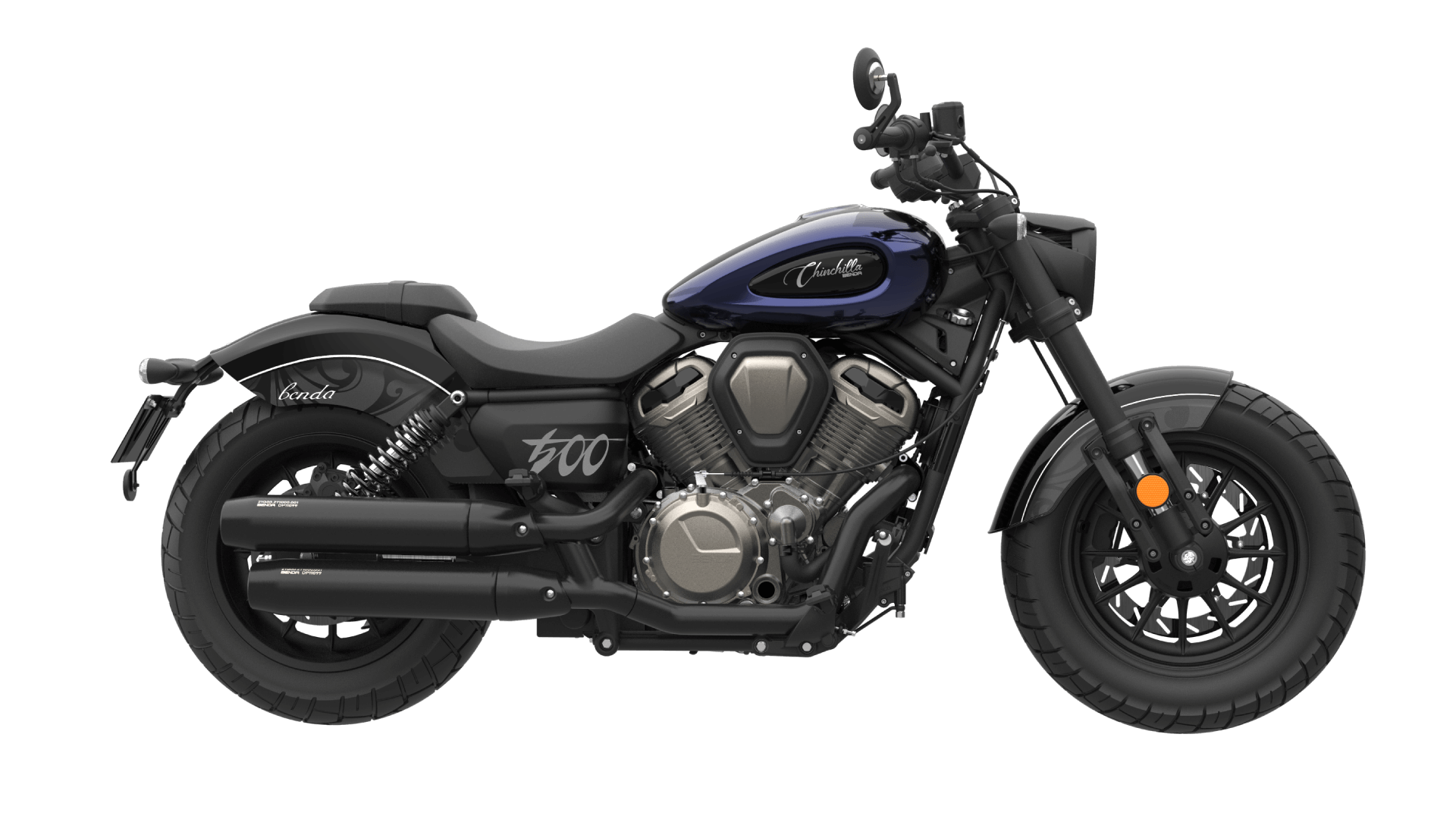
We move forward by comparing old habits to new technology principles. The classic fix was “add displacement” for smoother pull. Today, smarter calibration wins. A modern 500cc cruiser motorcycle can feel stronger at city speeds if engineers shape the midrange torque and smooth the injector pulse at low throttle angles. Add ride‑by‑wire logic, and you get modes that trim jerk during clutch release—great for hills in Valparaíso—or wake up for clean passes on open road. Pair that with optimized rake and trail for stability, plus a slightly wider bar for leverage, and you reduce micro‑corrections that wear you out. Small moves, big effect.
Here’s the comparative lens. Old-school setups lean on heavy flywheels and tall gearing to “calm” the bike. Newer builds use counterbalancer tuning, lighter rotating mass, and targeted vibration damping to keep character without the buzz. Dual‑channel ABS with refined cornering logic beats straight‑line ABS on mixed surfaces. A heat‑managed exhaust route reduces hot spots near your calf—because comfort is not only the seat. In short, the win is balance: predictable throttle, neutral steering, and a power‑to‑weight sweet spot that doesn’t punish you after two hours. We have covered the pain points and the fixes, and we’ve mapped how subtle geometry and fueling choices change your day—y ya está—time to choose with intent.
Advisory close: Use three metrics when you evaluate mid‑displacement cruisers. First, low‑rpm tractability: test the bike at 2,500–4,000 rpm and feel for smooth pull and clean fueling. Second, fatigue control: check vibration at bars and pegs after 20 minutes, plus seat support and heat management near your right leg. Third, control systems: confirm dual‑channel ABS behavior on mixed grip, and assess clutch feel (a slipper clutch is a plus) for downshift stability. Keep those three in mind, and your choice gets much easier. If you need a reference point while comparing, you can start with BENDA to frame your checklist against current designs.