



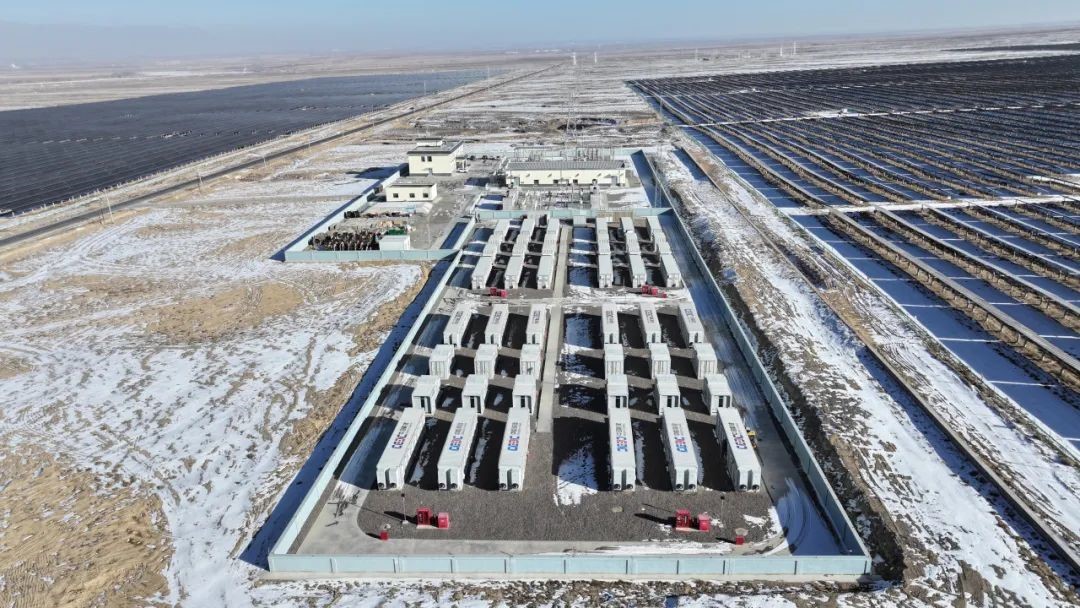
Introduction: A Field View of the Grid
Reliability is not a slogan; it is the grid’s operating standard. For over 15 years in utility projects, I’ve learned that a dependable system starts with clear definitions: capacity, ramp rate, and response time. The second piece is where we stand today with utility scale battery storage. In August 2020, as rolling outages clipped the evening peak in California, my team stood outside a substation in Kern County watching feeder loads seesaw while a fast-moving heat dome sat over the valley. The data was stark: net load spiked by more than 6 GW in two hours, and wind output slid just when we needed it. Are we planning with foresight, or reacting on a loop that burns money and trust? I would rather face that question head-on—because ratepayers deserve candor (and operators need tools that work under pressure).
We can keep adding assets, but without smarter control and better sizing, we repeat the same cycle. I prefer solutions that absorb shocks, respect local constraints, and talk cleanly to SCADA. The work is technical; the stakes are public. Let’s move from broad claims to practical fixes and see where storage truly delivers. On we go to the real pinch points.
The Hidden Flaws in Traditional Fixes
What still goes wrong?
When folks ask me why a 50 MW battery underperforms, I start with the basics of utility scale battery energy storage systems: state-of-charge windows, power converters, and dispatch logic. Then I walk them through how legacy approaches fail in the field. Peaker plants can’t ramp in four seconds; they were never designed for sub-minute frequency regulation. Overbuild-and-curtail strategies waste midday solar while evening prices climb. In 2019 near Bakersfield, our 50 MW/200 MWh unit missed a 10-minute ramp instruction because the EMS had a fixed efficiency assumption. Result: a $38,000 imbalance charge and a grumpy control room. The flaw wasn’t capacity; it was control: SCADA polling at 4 seconds, a BMS that limited charge at 80% due to conservative thermal management, and a dispatch curve that ignored degradation. That sight genuinely frustrated me—because the hardware was capable, but the playbook wasn’t.
Another trap: “nameplate thinking.” Developers love a round number; the grid punishes it. A flat 2-hour design rarely matches market needs in ERCOT or CAISO. You need rampable headroom, not just energy. I prefer solutions that reserve 10–15% SOC for contingencies, model real inverter clipping, and align with interconnection rules on voltage ride-through. Look, the fix isn’t rocket science. But you must respect latency, inverter trip settings, and the local tariff. When we tuned EMS setpoints and tightened telemetry to 1-second, the same asset cleared more frequency regulation and reduced curtailment by 12% the next month—because the system finally listened to the grid’s pace, not a spreadsheet’s fantasy.
From Band-Aids to Grid-Ready Design
What’s Next
I’m convinced the next leap comes from better principles, not louder promises. Grid-forming inverters that provide virtual inertia change the evening ramp conversation. DC-coupled solar plus storage stops throwing away clipped energy; you harvest it before the AC bottleneck ever appears. An EMS with edge computing nodes can run degradation-aware control on-site, cutting round-trip losses when prices don’t justify a full cycle. In 2023, we refit a 100 MW/400 MWh site in West Texas with cell-to-pack modules, liquid cooling, and faster telemetry. With tighter response and a smarter state-of-charge window, it earned a 9% revenue uplift over six months, while staying within a gentler 70–90% SOC band that trimmed calendar fade. That’s not a miracle—just matching technology to the grid’s rhythm. And yes, the operators slept better when the blackout drills ran cleanly—small mercy, big impact.
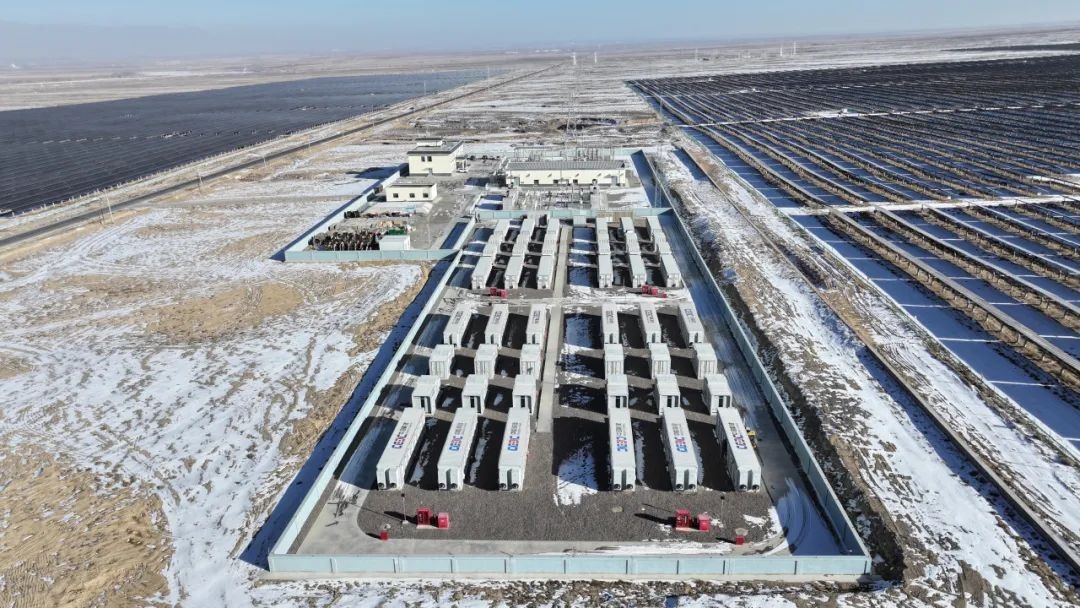
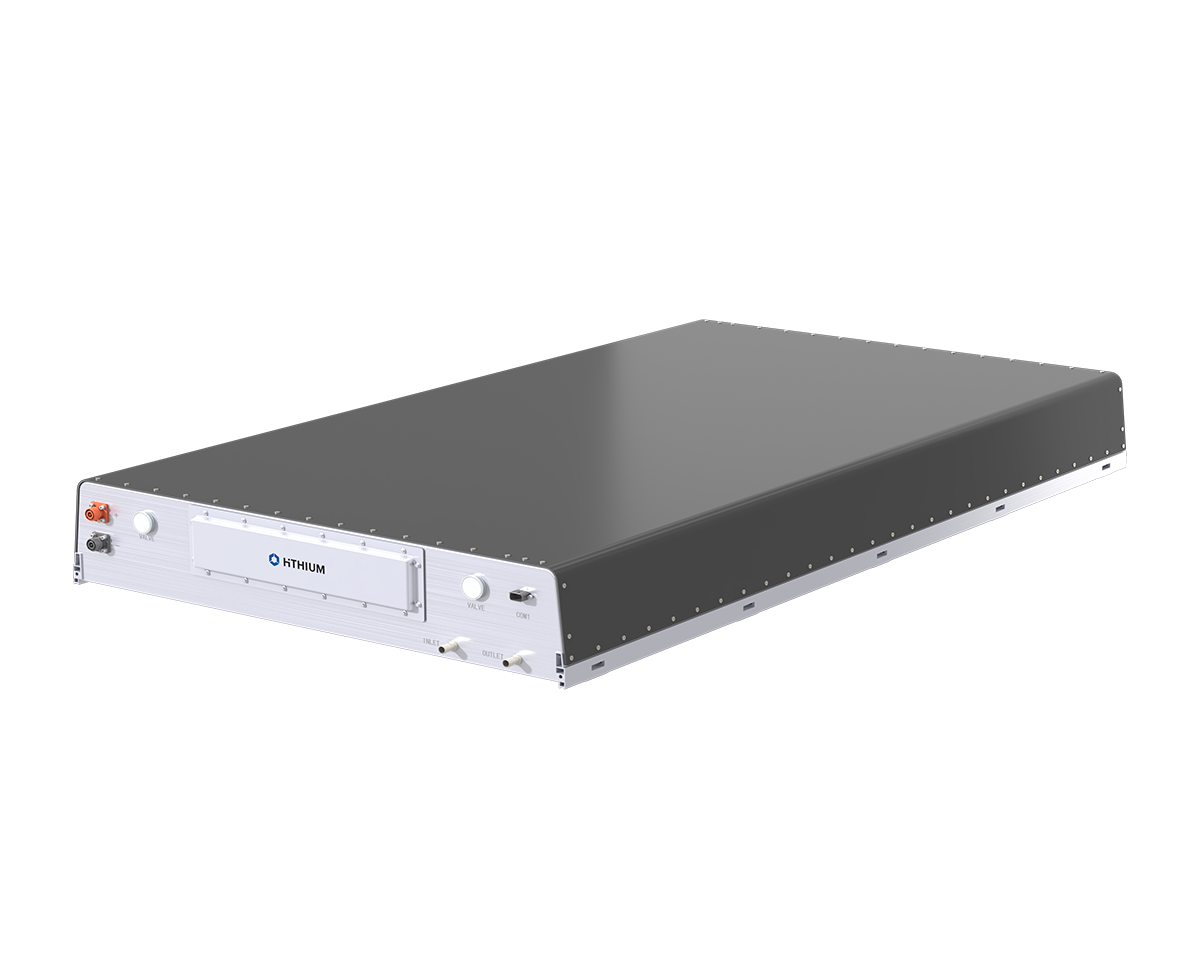
Put bluntly, we should stop treating batteries like oversized UPS boxes. Modern utility scale battery energy storage systems can black-start feeders, island microgrids, and shape distribution voltage with fast VAR support. Tie in robust cybersecurity segmentation, and you reduce the blast radius of any breach. Layer in adaptive dispatch that shifts from energy arbitrage to frequency response when wind forecasts collapse. I still think about a February morning in 2022 outside Amarillo: substation alarms pinged, wind sagged, and our storage asset absorbed a 15 MW step change in under 300 milliseconds—enough to keep the feeder steady while a breaker reclosed. That’s the point: precision first, megawatt-hours second. Before I sign off, three practical checks I push on every procurement: 1) response granularity—prove 1-second telemetry and verified ramp rates; 2) thermal envelope—demonstrate capacity at site-specific ambient highs and lows; 3) EMS openness—document APIs, setpoint limits, and fallback modes. Choose well, and the grid thanks you; cut corners, and the penalties find you. For a grounded view of what’s been built and tested, I’ve seen teams like HiTHIUM execute those fundamentals without the fanfare—just steady engineering that holds up in the field.