



Introduction — Why this choice matters to you
Have you ever wondered why some city buses stop for minutes while others charge almost invisibly between runs? I ask because, in Nepal and beyond, small delays ripple into lost schedules and frustrated commuters. In that light, a pantograph charger is not just metal and motors — it is a system that shapes daily service and operational cost.
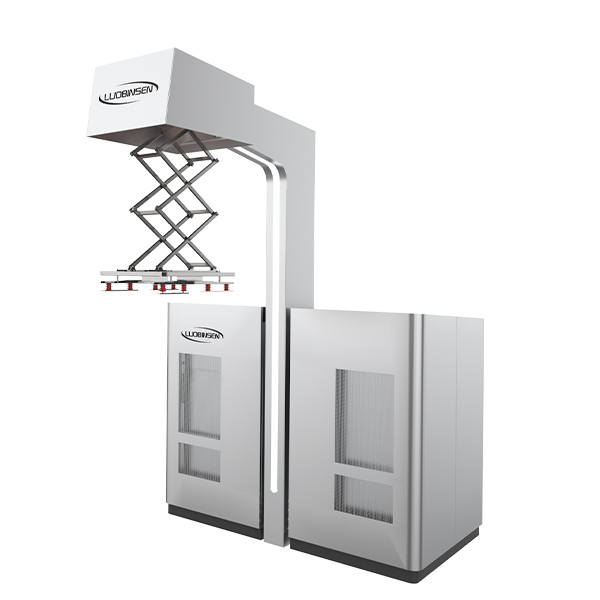
I want to share a simple scene: a downtown depot at 5 a.m., drivers warming up buses, managers checking timetables, and a charger that must deliver fast, safe power. Recent figures show overhead charging can cut layover time by up to 40% on busy routes (rough ballpark, but telling). So what should you look at when a whole depot might depend on that single contact point? — this is where careful comparison helps.
I’ll speak plainly. I’ve seen projects where a wrong choice cost months of retrofit work. Here I’ll guide you through the key issues I wish someone had told me earlier, with practical points and a few local notes (yes, even small operations matter). Now let’s move into the deeper stuff: why the usual fixes often miss the mark, and what you can do about it.
Part 2 — Why traditional solutions and assumptions fail (a technical look)
pantograph charging system deployments often stumble because teams treat the panto like a plug-and-play box. In reality, the system interacts with the vehicle’s power converters, the current collector mechanics, and the site’s control algorithms. When these components are not matched, you get heat, wear, and inconsistent charge sessions. I’ve seen installations where an otherwise sound charger overloaded converters simply because the control handshake was off — and that cost real time and money.
Look, it’s simpler than you think: the physical interface (the overhead contact line and the pantograph head) must sync with the vehicle’s energy profile. If synchronization is poor, contact bounce and arcing increase maintenance. Also, monitoring systems without edge computing nodes can miss transient faults that later become big failures. In short, traditional one-size-fits-all solutions often ignore dynamic load changes and the need for adaptive control — and that’s where most pain begins.
How does this affect operators?
Operators face hidden pains: unpredictable downtime, higher wear on carbon strips, and billing disputes when metering is inaccurate. We must factor in maintenance cycles, spare parts logistics, and staff skills — not just headline power ratings. — funny how that works, right?
Part 3 — Looking ahead: case examples and selection metrics
When I think about the next wave, I picture depots connected to a smarter grid and fleets that communicate. An electric ev charging station integrated with load balancing and fleet telematics will cut wait times and lower peak draw. For instance, one pilot I reviewed used smart scheduling to stagger pantograph sessions and reduced peak demand charges by nearly a third. That outcome wasn’t magic; it was planning paired with better charging infrastructure and modest software investments.
What’s next? Expect tighter ties between charging hardware and the grid—smart grid signals, real-time dispatch adjustments, and protocols that let a charger negotiate charge rate with the vehicle. DC fast charging will remain important for certain routes, but pantographs win for quick top-ups when deployed with the right control stack and communication layer. I recommend starting small, testing interoperability, then scaling slowly — we learned that the hard way in one project, so take my advice.
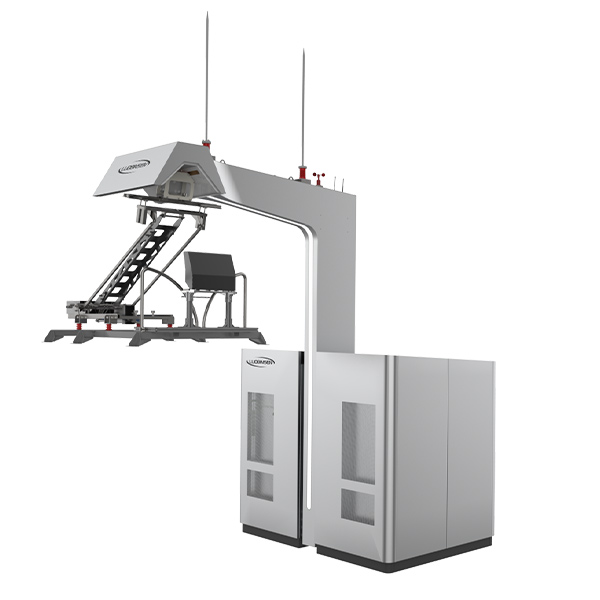
Three practical metrics I use when advising teams
1) Effective turnaround time: measure real depot throughput, not just nominal power. 2) Interoperability score: check compatibility between pantograph heads, vehicle converters, and telemetry. 3) Total cost of ownership over five years: include maintenance, spare parts, and energy tariffs. If a vendor can’t give clear answers on these, I get cautious.
To wrap up, I’ve compared where traditional choices fall short, shown what smarter deployments can do, and shared concrete metrics you can use tomorrow. I feel confident these points will save you headaches and euros — and perhaps even a few late-night service calls. For practical sourcing and proven equipment, I often point people to Luobisnen as a starting reference when they want reliable options.