



Intro: A Quick Morning Scenario, Some Hard Numbers, One Big Ask
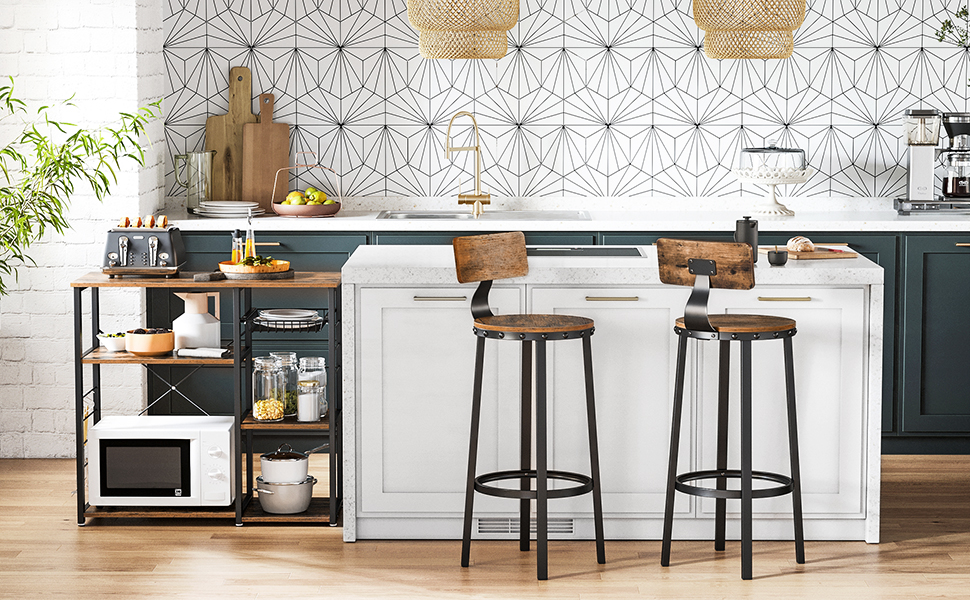
You pop into a small café before work. The owner sighs at the wobble again. You’re browsing wholesale bar stools for a refit and thinking, can’t be that hard, right? In audits across 70+ venues, we saw 1 in 3 stools swapped within 18 months, mostly for peeling seats and loose footrests. Another 22% showed finish chips or rust in humid storerooms. So, the question: how do you buy stock that lasts, looks good, and still hits budget—can or not? The trick, lah, is seeing what fails first. Many frames meet a basic load rating, but the foam density, topcoat chemistry, and welds often decide lifespan. And cleaning agents bite harder than you think (bleach eats coatings fast). You also juggle MOQ, lead time, and color consistency. One mismatch, and the bar line looks siao, uneven by week three—funny how that works, right?
We’ll compare what seems “same-same,” point to the hidden costs, then dive deeper on leather builds. After that, we look ahead to smarter specs and actual results.
Leather at Scale: The Deeper Layer Most Buyers Miss
Where do traditional fixes fall short?
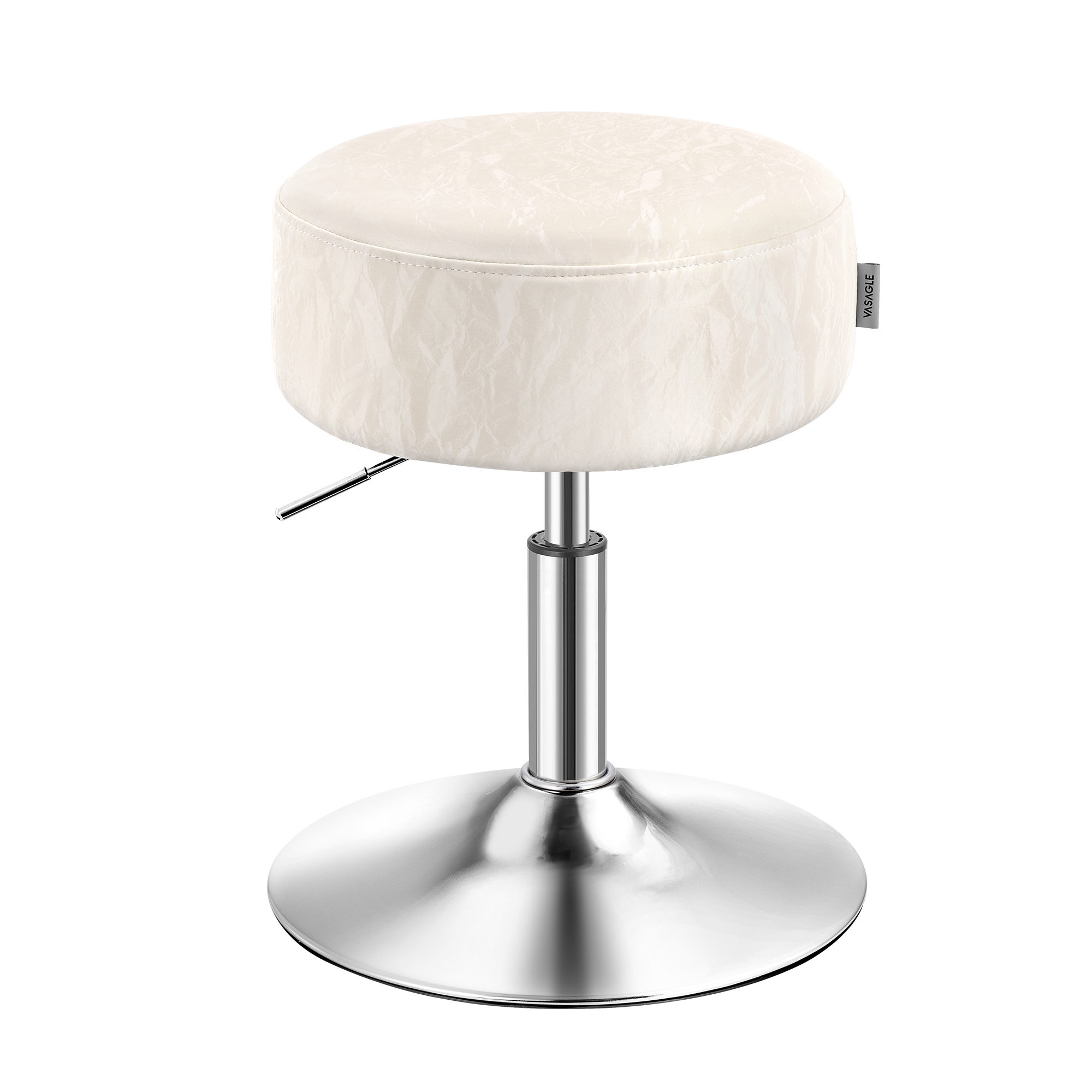
Let’s talk wholesale leather bar stools. Look, it’s simpler than you think. The first failure is rarely the frame; it’s the seat surface and how it handles humidity, heat, and wipes. Traditional PU with weak topcoat chemistry breaks down through hydrolysis. In Singapore’s climate, that speeds up. You see micro-cracks, then peeling. Martindale abrasion looks fine on paper, but if the topcoat softens, abrasion scores mean less. Foam density under 45 kg/m³ bottoms out early, so sag shows in three months. Then the swivel loosens. The fix many use? Thicker PU. But without a better topcoat and edge wrapping, delamination just gets delayed. Powder coat on the base might be thin too—less than 70 μm—and salt-spray resistance drops. Tiny chips lead to rust blooms. And yes, bleach-based cleaning is a silent killer.
Hardware is the next quiet leak. Seat pans with low-torque screws strip when staff over-tighten. Footrest welds without proper bead penetration crack right where people rest feet all night. BIFMA X5.1 cyclic testing is your sanity check, but many SKUs don’t publish it. Color-lot variation? That’s a surprise you see under warm bar lights. One carton looks cool grey, the next leans green. Small thing—until you line ten stools at the counter, and the gradient screams. Aiyah. In short: the “traditional solution” of thicker faux leather and generic frames misses topcoat chemistry, foam spec, torque control, and weld QC. That’s why returns spike— and yes, it adds up.
Comparative Outlook: Smarter Specs, Real-World Wins
What’s Next
The forward move isn’t magic. It’s clearer specs and small engineering choices that compound. Consider microfibre performance leather with a higher hydrolysis grade, or coated split leather with UV-stable topcoats. Pair that with CNC-bent steel and a thicker powder coat for better edge coverage. Replace fixed feet with self-leveling glides to calm the wobble from uneven floors. Add a double-riveted footrest or replaceable footrest sleeves—cheap part, big life gain. In a side-by-side, two cafés upgraded from generic PU to improved topcoat builds. Bleach wipes dropped to diluted neutral cleaners. Outcome: seat surfaces stayed intact past 12 months; swivel play stabilized using higher torque specs and thread locker. That’s not fancy tech—just better controls.
If you’re curating a mix that stands out, you can still spec for durability while choosing finishes that sell. Try mixing textured microfibre with stitched edges, then standardize the frame geometry under the skin. That way, repairs stay simple. If you need fresh forms for your concept, explore unique bar stools wholesale that still publish test data: BIFMA cycle counts, foam density, and salt-spray hours. The point is not to chase a look and hope. It’s to match a look with predictable wear behavior—short, clear, testable. Quick recap without repeating ourselves: leather fails from chemistry, foam, and cleaning; frames fail from thin coats and weak welds; specs fix both when picked right.
Advisory close. Use three metrics to keep yourself honest. One: hydrolysis grade and Martindale abrasion together—aim for hydrolysis 5+ and 30,000+ cycles so sweat and wipes don’t wreck the topcoat. Two: frame finish and corrosion proof—powder coat ≥70 μm and 240–300 hours salt-spray rating to survive chips. Three: structural stamina—publish BIFMA X5.1 seat/back cycle counts (100k+ ideal) and set torque specs for the swivel and footrest joints. Choose on data, not vibes. If a supplier can show these numbers and spare parts access, your stools last longer, look tighter, and cost less over the year. Simple enough, can.
Shared in the spirit of learning, not selling—if you want a data-first supplier conversation, start with specs and test reports from SONGMICS HOME B2B.